
All Articles

Basement Renovation Dumpster Rental: Complete Disposal Guide

Published · Guide by WTR Services
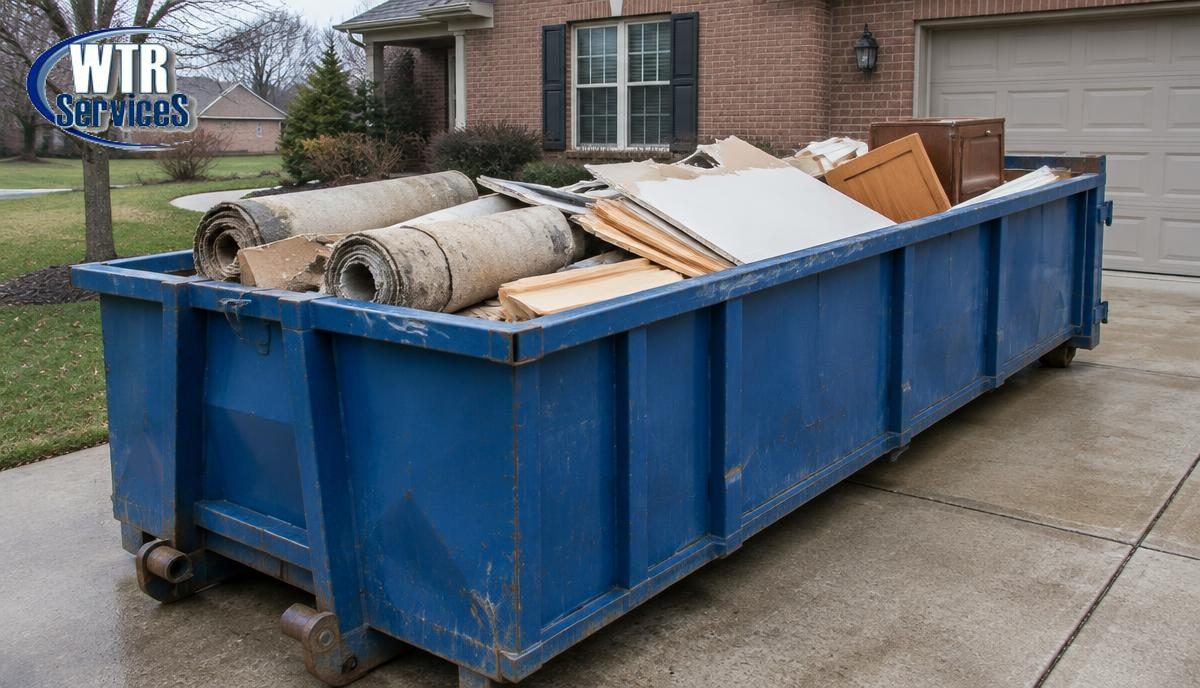
Blue WTR Services roll-off dumpster in a residential driveway filled with old carpet rolls, drywall, wood trim, and cabinet pieces from a basement renovation

Finishing or remodeling a basement can add valuable living space to your home. Whether you're creating a family room, home office, guest bedroom, gym, or entertainment area, a basement renovation can involve significant demolition and construction work. Removing old flooring, drywall, insulation, cabinets, fixtures, and other materials can quickly create more waste than your regular household trash service can handle. A basement renovation dumpster rental gives homeowners a convenient place to dispose of eligible renovation debris throughout the project. This guide explains how to plan your dumpster rental, choose the right size, manage renovation debris removal, and keep your basement remodeling project organized with WTR Services.

Why Rent a Dumpster for a Basement Renovation?

Basement renovations often involve removing old materials before new construction can begin. Without a dedicated disposal solution, debris can quickly take over your basement, driveway, or yard. A dumpster can help you:
  • Keep demolition debris contained
  • Reduce repeated trips to disposal facilities
  • Maintain a safer, cleaner work area
  • Make renovation cleanup easier
  • Save time during the project
  • Keep your property more organized
A dedicated container is particularly useful when you're handling demolition and installation work yourself.

What Is a Basement Renovation Dumpster Rental?

A basement renovation dumpster rental is a temporary roll-off container used to collect and dispose of eligible debris generated during a basement remodeling project. Depending on the scope of your project, the dumpster may hold materials such as:
  • Old flooring and carpet
  • Drywall
  • Wood and trim
  • Cabinets and shelving
  • Doors
  • Non-hazardous insulation
  • General construction debris
The dumpster can be delivered before demolition begins, allowing you to dispose of debris as you work rather than letting it pile up inside the basement.

Common Basement Remodeling Projects That Generate Waste

Basement finishing. Finishing an unfinished basement may involve framing, drywall, flooring, insulation, and other construction materials. The installation process creates packaging and construction waste, while preparation may involve removing existing materials. Flooring replacement. Replacing old carpet, tile, laminate, or other flooring can produce a significant amount of debris. Heavy materials such as tile or concrete may have specific weight restrictions, so confirm disposal requirements before loading. Drywall removal and installation. Basement remodeling can involve removing damaged drywall or installing new walls and ceilings. Broken drywall can quickly fill regular household trash containers. Cabinet and storage removal. Removing old cabinets, shelving, workbenches, and storage systems can generate bulky materials that are easier to manage with a dumpster. Basement bathroom remodeling. Adding or remodeling a basement bathroom can create flooring, drywall, cabinetry, fixtures, and other construction debris.

Choosing the Right Dumpster Size

The best dumpster size depends on the scope of your basement renovation and the amount of material you plan to remove. A 10-yard dumpster may be appropriate for smaller basement projects — small flooring replacements, single-room renovations, minor demolition, and limited amounts of household renovation debris. A 15-yard dumpster can be a practical choice for medium-sized basement remodeling projects — basement flooring replacement, moderate drywall removal, cabinet and shelving removal, medium-sized finishing projects, and general renovation debris. A 20-yard dumpster provides more capacity for larger renovations — full basement remodeling, multiple-room projects, extensive demolition, and large flooring replacement projects. A 30-yard dumpster may be appropriate for extensive basement renovations involving significant demolition or structural changes. If you're unsure which size you need, discuss the project's scope and materials with WTR Services before scheduling delivery.

Is a 15-Yard Dumpster Right for Your Basement Remodel?

A 15-yard dumpster can be a useful middle-ground option for homeowners who need more capacity than a small dumpster but don't expect the volume of waste generated by a major construction project. It may work well when you're:
  • Removing old basement flooring
  • Replacing drywall
  • Removing cabinets
  • Clearing built-in storage
  • Completing a moderate basement remodel
  • Combining demolition with general household cleanout
However, the appropriate size ultimately depends on the volume and weight of the debris.

What Can Go Into a Basement Renovation Dumpster?

Depending on local regulations and the dumpster provider's requirements, common accepted renovation materials may include wood, drywall, carpet, flooring, cabinets, shelving, doors, trim, non-hazardous construction debris, and general household renovation waste. Some materials may be prohibited or require specialized disposal. These can include paint, solvents, chemicals, batteries, propane tanks, asbestos-containing materials, medical waste, flammable liquids, and certain electronics. Our Ohio prohibited items guide has the full details. Always confirm accepted materials with WTR Services before placing questionable items into the dumpster.

How to Plan Renovation Debris Removal

A little planning can make renovation debris removal much easier.
  • Step 1 — Identify what needs to be removed: Before demolition starts, make a list of flooring, drywall, cabinets, fixtures, shelving, and other materials that will be discarded.
  • Step 2 — Estimate your debris: Consider both the volume and weight of the materials.
  • Step 3 — Choose the dumpster: Select a container that provides enough capacity for your expected debris without exceeding weight limits.
  • Step 4 — Schedule delivery before demolition: Having the dumpster available when work begins allows you to dispose of debris immediately.
  • Step 5 — Separate restricted materials: Keep hazardous or prohibited materials separate from standard renovation waste.
  • Step 6 — Arrange pickup: Once demolition and cleanup are complete, schedule dumpster removal.

Basement Renovation Cleanup Checklist

Use this checklist to keep your project organized. Before renovation:
  • Remove furniture and personal belongings.
  • Separate items to keep, donate, recycle, and dispose of.
  • Identify demolition materials.
  • Estimate expected debris volume.
  • Choose the appropriate dumpster size.
  • Schedule dumpster delivery.
  • Prepare a safe placement area.
During renovation:
  • Remove old flooring.
  • Remove damaged drywall.
  • Take out unwanted cabinets and shelving.
  • Place approved debris into the dumpster.
  • Distribute heavier materials evenly.
  • Keep debris below the fill line.
  • Keep restricted materials out of the dumpster.
After renovation:
  • Sweep and inspect the basement.
  • Remove remaining construction debris.
  • Check that the dumpster is not overloaded.
  • Confirm no prohibited materials were placed inside.
  • Schedule dumpster pickup.

Tips for Loading a Basement Renovation Dumpster

Break down bulky materials. Disassemble cabinets, shelving, and other large items whenever possible. Flatten cardboard. Break down boxes and packaging to maximize available dumpster space. Distribute materials evenly. Avoid placing all heavy debris in one section of the container. Don't overfill. Keep debris below the designated fill line and follow applicable weight restrictions. Keep access clear. Make sure the dumpster can be safely accessed for pickup.

A Home Remodel Dumpster for Other Projects

A home remodel dumpster isn't limited to basement renovations. Homeowners can also use dumpsters for kitchen remodeling, bathroom renovations, garage renovations, flooring replacement, deck removal, roofing projects, room additions, and whole-home renovations. A home renovation dumpster rental can provide a convenient disposal solution whenever a residential project generates more waste than regular trash collection can handle. Planning a garage project too? Our garage renovation dumpster guide covers sizing and cleanup for that space.

Why Choose WTR Services?

A basement renovation already requires careful planning, materials, tools, and labor. Managing construction waste shouldn't become another obstacle. WTR Services provides dumpster rental solutions for homeowners completing remodeling and construction projects — basement renovations, home remodeling, flooring replacement, garage renovations, residential cleanouts, demolition projects, and construction debris removal. With the right dumpster size and rental period, you can keep your project organized and focus on transforming your basement. WTR Services is a local, family-owned company serving Northeast Ohio since 2006 — including Trumbull, Mahoning, Columbiana, Portage, Ashtabula, and Mercer counties. Call (330) 399-3817 or get a free quote to schedule your rental.

Frequently Asked Questions

Keep Reading: Related Guides