
All Articles

Remodeling Dumpster Rental: Kitchen vs Bathroom Projects

Published · Guide by WTR Services
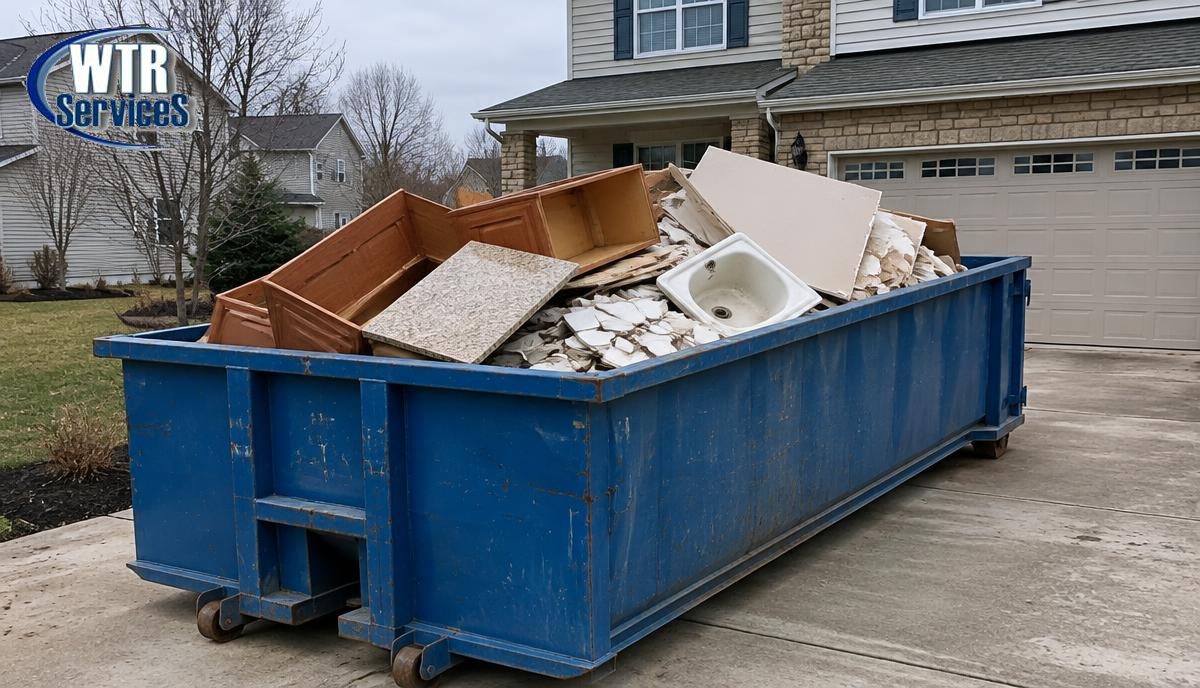
Blue WTR Services roll-off dumpster in a suburban driveway filled with old kitchen cabinets, a countertop, broken tile, drywall, and a sink from a remodeling project

Kitchen and bathroom renovations can dramatically improve a home's functionality, appearance, and value. However, both projects can generate a surprising amount of demolition and construction waste. Cabinets, countertops, flooring, drywall, fixtures, tile, and packaging can quickly overwhelm regular household trash collection. A remodeling dumpster rental provides homeowners with a convenient way to collect and dispose of eligible renovation debris throughout the project. But do kitchen and bathroom remodels require the same type or size of dumpster? Not always. Kitchen renovations often produce bulky materials such as cabinets and countertops, while bathroom renovations may generate heavier materials such as tile, drywall, and fixtures. Understanding these differences can help you select the right dumpster and avoid unnecessary disposal trips. This guide compares kitchen remodel dumpster and bathroom renovation dumpster needs and explains how WTR Services can help homeowners manage renovation waste efficiently.

Why Rent a Dumpster for Home Remodeling?

Home remodeling projects typically involve two phases of waste generation: demolition and installation. During demolition, homeowners may remove old materials such as cabinets, flooring, drywall, fixtures, and countertops. Installation then creates additional packaging and construction debris. A home remodeling dumpster can help you:
  • Keep demolition debris contained
  • Reduce repeated trips to disposal facilities
  • Maintain a safer work area
  • Keep your driveway and property organized
  • Speed up cleanup
  • Make renovation waste disposal more convenient
A dumpster is especially useful when you're completing a project yourself and don't have access to a contractor's waste management service.

Kitchen Remodel Dumpster: What to Expect

Kitchen renovations often generate a combination of bulky and lightweight materials. A kitchen remodel dumpster may be used for old cabinets, countertops, flooring, drywall, sinks, fixtures, shelving, wood, packaging materials, and general renovation debris. Cabinet removal. Kitchen cabinets can occupy significant dumpster space. Breaking cabinets down into smaller pieces, where practical, can help maximize container capacity. Countertops. Countertops can be bulky and heavy. Materials such as stone, concrete, or other dense surfaces may have weight restrictions, so confirm disposal requirements before loading them. Flooring. Removing old tile, vinyl, laminate, or carpet can generate considerable debris. Tile and other heavy materials should be considered when estimating the dumpster's weight capacity.

Bathroom Renovation Dumpster: What to Expect

Bathroom renovations typically involve less overall volume than major kitchen remodels, but some materials can be surprisingly heavy. A bathroom renovation dumpster may contain old tile, drywall, flooring, cabinets, vanities, bathtubs, sinks, toilets, shower materials, fixtures, packaging, and general construction debris. Tile and flooring. Tile can create a significant amount of heavy debris during demolition. Consider material weight as well as dumpster volume when selecting your container. Fixtures and vanities. Old toilets, sinks, vanities, cabinets, and shower components can take up considerable space.

Kitchen vs Bathroom Dumpster Needs

The right dumpster depends on the actual scope of your project rather than whether it's a kitchen or bathroom renovation.
ProjectCommon DebrisTypical Consideration
Kitchen remodelCabinets, countertops, flooring, drywallBulky materials and overall volume
Bathroom remodelTile, fixtures, drywall, flooringHeavy materials and disposal weight
Small kitchen updateLimited cabinets and flooringSmaller dumpster may be sufficient
Full kitchen remodelCabinets, countertops, flooring, drywallLarger capacity often needed
Small bathroom renovationFixtures, flooring, drywallSmall to medium dumpster
Full bathroom remodelTile, fixtures, vanity, drywallWeight and volume both matter

Choosing the Right Dumpster Size

A 10-yard dumpster may be suitable for smaller renovation projects — small bathroom updates, limited flooring replacement, minor cabinet removal, and single-room renovations. A 15-yard dumpster can provide additional capacity for medium-sized remodeling projects — moderate bathroom renovations, kitchen flooring replacement, partial kitchen remodels, and cabinet and fixture removal. A 20-yard dumpster is a popular option for larger residential remodeling projects — full kitchen remodels, large bathroom renovations, multiple-room remodeling, extensive flooring replacement, and significant demolition. A 30-yard dumpster may be appropriate for extensive renovations involving several rooms or substantial demolition. If you're unsure about the correct size, provide WTR Services with details about the materials being removed and the project's scope.

Is a 20-Yard Dumpster Right for Your Remodel?

A 20-yard dumpster can be a practical choice when a renovation generates more debris than a small container can accommodate. It may be appropriate for:
  • Complete kitchen renovations
  • Large bathroom remodels
  • Multiple-room projects
  • Large flooring replacement jobs
  • Cabinet and drywall removal
  • Combined demolition and renovation projects
However, dumpster sizing should consider both volume and material weight. Dense materials such as concrete, tile, and stone may require special handling or weight limits.

What Can Go Into a Remodeling Dumpster?

Depending on local regulations and the dumpster provider's requirements, common renovation materials may include wood, drywall, flooring, carpet, cabinets, countertops, vanities, doors, trim, sinks, toilets, and general non-hazardous renovation debris. Some materials may be prohibited or require specialized disposal. These can include paint, solvents, chemicals, batteries, propane tanks, asbestos-containing materials, medical waste, flammable liquids, and certain electronics. Our Ohio prohibited items guide has the full details. Always verify accepted materials with WTR Services before placing questionable items in the dumpster.

Renovation Waste Disposal Tips

Estimate debris before demolition. Before starting your project, identify what will be removed and estimate how much waste it will create. Consider weight as well as volume. A dumpster that appears large enough may still have weight limitations when loaded with dense materials such as tile, concrete, or stone. Break down bulky items. Disassemble cabinets, shelving, and other large items when possible. Load heavy materials carefully. Place heavier debris toward the bottom and distribute it evenly. Keep the dumpster below the fill line. Never overfill your dumpster. Follow the provider's loading requirements. Separate restricted materials. Paint, chemicals, batteries, and other prohibited materials should never be placed in a standard remodeling dumpster.

Remodeling Dumpster Rental Checklist

Before the project:
  • Identify demolition materials.
  • Estimate the amount of debris.
  • Consider material weight.
  • Choose a dumpster size.
  • Confirm accepted materials.
  • Schedule dumpster delivery.
  • Prepare a suitable placement area.
During the remodel:
  • Place approved debris directly into the dumpster.
  • Break down bulky cabinets and shelving.
  • Distribute heavy materials evenly.
  • Keep debris below the fill line.
  • Keep prohibited materials separate.
After the remodel:
  • Complete a final cleanup.
  • Check the dumpster for prohibited materials.
  • Confirm the dumpster isn't overloaded.
  • Schedule pickup.

A Home Renovation Dumpster for Other Projects

A home renovation dumpster rental can be useful for many residential projects beyond kitchens and bathrooms. Homeowners may also rent dumpsters for basement renovations, garage remodels, flooring replacement, deck removal, roofing projects, room additions, whole-home remodeling, and home cleanouts. Planning a basement or garage project? See our basement renovation dumpster guide and garage renovation dumpster guide for project-specific advice. Our residential dumpster rental service provides homeowners with a convenient waste disposal option whenever a project generates more debris than regular household collection can handle.

Why Choose WTR Services?

A remodeling project requires careful coordination, and waste disposal shouldn't slow down your work. WTR Services provides dumpster rental solutions for homeowners working on kitchen, bathroom, basement, garage, and other residential renovation projects — kitchen remodeling, bathroom renovations, home remodeling, demolition cleanup, flooring projects, residential construction debris, and home cleanouts. With the appropriate dumpster size and rental period, you can keep your project organized and focus on completing your renovation. WTR Services is a local, family-owned company serving Northeast Ohio since 2006 — including Trumbull, Mahoning, Columbiana, Portage, Ashtabula, and Mercer counties. Call (330) 399-3817 or get a free quote to schedule your rental.

Frequently Asked Questions

Keep Reading: Related Guides