
All Articles

10 Yard Dumpster Rental: Small Projects Made Simple

Published · Guide by WTR Services
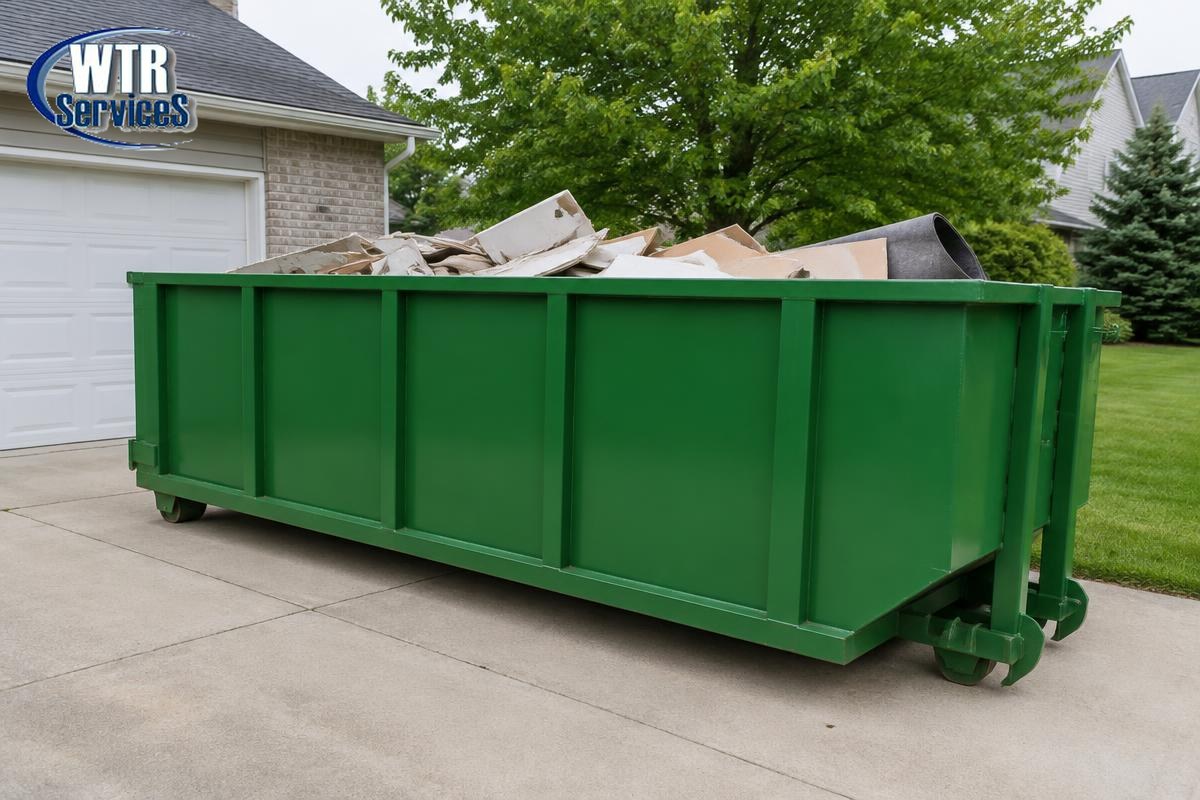
Compact 10 yard roll-off dumpster on a residential driveway in Northeast Ohio

A bathroom remodel, a garage that has collected fifteen years of boxes, a shed roof tear-off, or a flooring replacement all create more debris than curbside trash collection can take — but not enough to justify the largest container on the truck. That gap is exactly where a 10 yard dumpster rental fits.

This guide covers the practical side of the smallest common roll-off: how much it holds, which projects it handles well, how to load it, and the point at which stepping up a size saves money instead of costing it. WTR Services rents these containers across Mahoning, Trumbull, Columbiana, Portage, and Ashtabula counties in Ohio and Mercer County in Western Pennsylvania.

Key Takeaways

  • A 10 yard container holds roughly 10 cubic yards — about three pickup truck loads, or 50 to 70 contractor bags.
  • Its short footprint fits most residential driveways without blocking the garage.
  • It is the usual pick for dense debris like concrete, tile, brick, and dirt because weight limits arrive before the space runs out.
  • Load flat material first, spread weight across the floor, and keep debris level with the top rail.
  • Whole-home renovations, estate cleanouts, and large roof jobs generally need a bigger container.

What a 10 Yard Dumpster Looks Like

A 10 yard roll-off is a compact open-top steel container delivered by a hook or cable truck and taken away when the job ends. Dimensions vary by manufacturer, but most run roughly 12 to 14 feet long, 7 to 8 feet wide, and 3 to 4 feet tall. That low wall height is an underrated advantage. Drywall sheets, flooring bundles, and broken furniture can be lifted in over the side without a ladder or a ramp, which keeps a small crew — or a homeowner working alone on a weekend — from straining over a tall rail.

How Much It Holds

Ten cubic yards translates to about three pickup truck loads, or somewhere in the range of 50 to 70 filled contractor bags. Weight is the other half of the picture: rentals include a tonnage allowance, and dense material reaches it long before the container looks full. That is why the 10 yard size is often recommended for heavy debris. A pile of concrete, tile, brick, dirt, or shingles that would exceed the road-legal weight of a larger container fits safely in a smaller one. Tell us the material type when you book and we will match the container to the weight, not just the volume.

Projects That Suit This Size

Bathroom remodels. Drywall, tile, a vanity, a tub surround, fixtures, and old flooring from a standard bathroom typically fit in a single 10 yard load. Partial kitchen updates. Replacing countertops, cabinet fronts, or flooring without gutting the room generally stays within this size. A full gut renovation usually does not. Garage and basement cleanouts. Shelving, cardboard, storage bins, broken furniture, and general household junk load quickly through the low side walls. Yard cleanup. Branches, brush, leaves, soil, and small stumps after a storm or a landscaping weekend. Soil and sod are heavy, so mention them up front. Small roofing jobs. A detached garage, shed, porch, or single-slope tear-off — shingles, felt, flashing, and underlayment. For a full house roof, read Dumpster Rental for Roofing Projects first. Flooring removal. Carpet and pad, laminate, vinyl, or hardwood from a few rooms produces more volume than most people expect, and this size absorbs it.

Using a 10 Yard Container on Construction Jobs

Contractors use this size constantly, usually on interior work: demolition of a single room, drywall removal, tile and masonry tear-out, small concrete pours and slabs, and remodeling debris. Because the footprint is short, the container can sit close to a doorway or staging area, which shortens every trip a crew makes with a wheelbarrow or a cart. For larger builds — additions, new construction, multi-room gut jobs — a bigger container reduces swap-outs and keeps the site clearer. Our construction dumpster rental page covers those options, and How to Choose a Construction Dumpster Rental walks through the mistakes that cost jobs the most time.

What Goes In and What Does Not

Generally accepted: wood, drywall, furniture, household junk, yard waste, roofing material, flooring, brick, concrete and other masonry within weight limits, metal, cabinets, and tile. Handled separately, regardless of available space: liquid paint, solvents and chemicals, batteries, motor oil and automotive fluids, tires, propane and other pressurized cylinders, asbestos, refrigerated appliances, and in many cases electronics and mattresses. The Ohio prohibited items guide explains where those materials should go instead, and What Can You Put in a Dumpster? covers the accepted list in more detail. When an item is borderline, call us before it goes in — one prohibited item can hold up an entire load.

Getting the Most Out of the Space

Break down furniture, cabinets, and shelving so they lie flat instead of trapping air. Put drywall, plywood, and flooring on the floor of the container first, then stack bulkier pieces on top. Spread heavy debris across the length rather than piling it at one end, and push smaller scrap into the gaps as you go. Debris must stay level with or below the top rail — an overloaded container cannot legally travel, which delays pickup. Cover the container with a tarp during rain, too; soaked drywall, carpet, and wood gain real weight overnight.

Rental Length and Placement

Most homeowners keep a 10 yard container for three, five, or seven days, and extensions can usually be arranged when a project runs long — ask before the last day rather than after. How Long Can I Keep a Dumpster Rental? covers the scheduling questions worth asking when you book. Placement needs a firm, level surface and a clear approach for the truck: concrete, asphalt, or compacted gravel is safest, and a driveway usually works because this size is short enough to leave room to pass. Containers on a street or right-of-way may need local approval, which varies by city and township across our service area — see the Ohio dumpster permit guide.

When to Step Up a Size

Choose a larger container for whole-home renovations, new construction, full roof replacements, estate cleanouts, commercial demolition, or multi-room remodels. Paying for a second haul on an undersized container almost always costs more than one right-sized rental. Not sure where your project falls? What Size Dumpster Do I Need? compares sizes project by project, and How Much Does Dumpster Rental Cost? explains what shapes a quote in Ohio.

Reserve a 10 Yard Dumpster With WTR Services

WTR Services is a family-owned company founded in 2006 and based at 2421 W Market St in Warren, Ohio. We handle residential dumpster rental, construction dumpster rental, and roofing dumpster rental across Northeast Ohio and Western Pennsylvania, with clean containers, prompt delivery, flexible rental windows, and pricing explained before you book. Call (330) 399-3817 or get a free quote with your project type, materials, dates, and where the container should sit. More about our team is on wtrservices.com.

Frequently Asked Questions

Keep Reading: Related Guides