
Dumpster Rental for Commercial Renovations: A Practical Waste Management Guide
Published · Guide by WTR Services
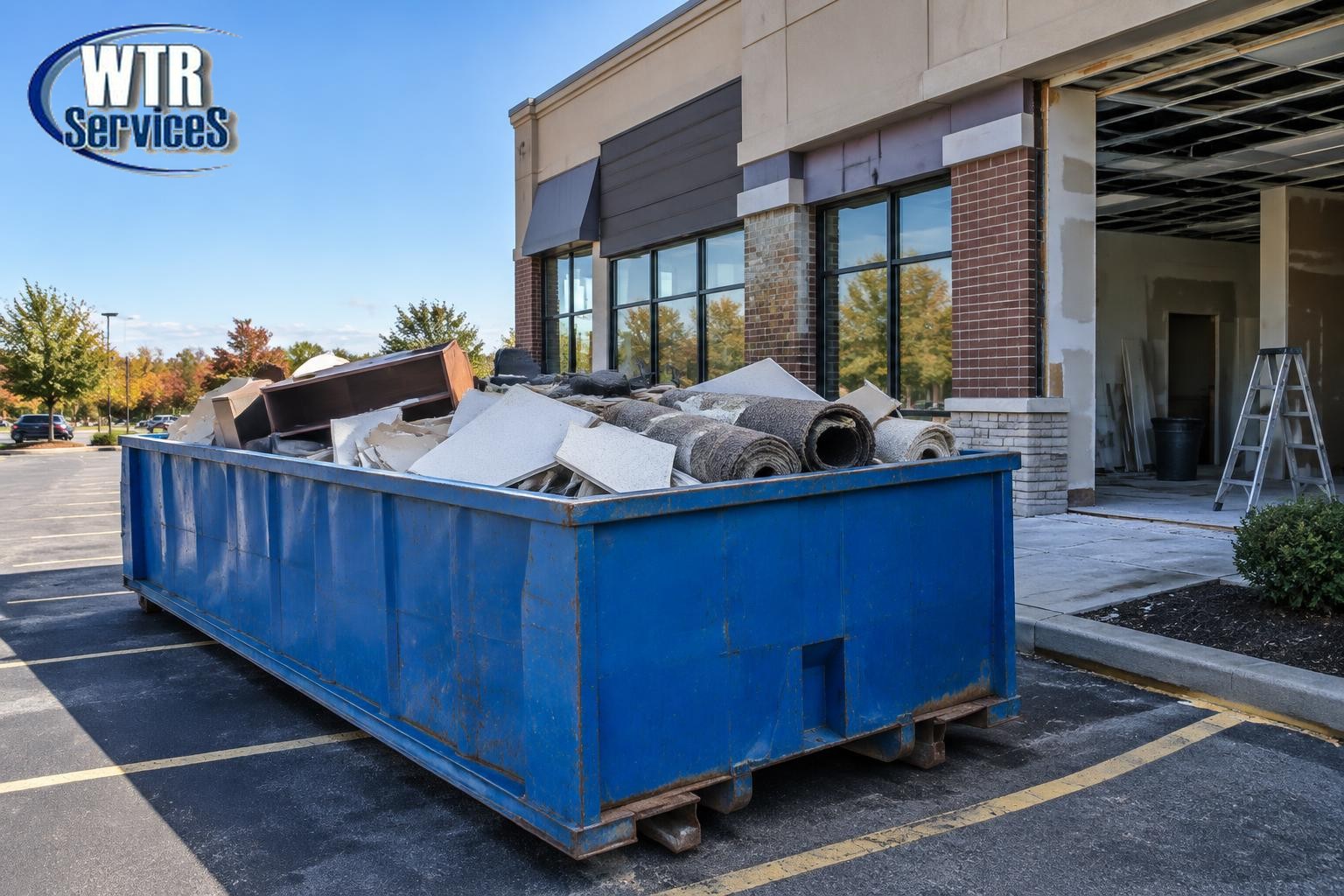
This guide to dumpster rental for commercial renovations shows office, retail, and other business owners how to plan waste removal before a refit begins. The stakes are bigger than most people expect: the US Environmental Protection Agency estimated that 600 million tons of construction and demolition debris were generated in 2018, more than double the amount of municipal solid waste. A rented dumpster keeps that debris off your floor and your project on schedule. At WTR Services, we help Northeast Ohio businesses set this up from the start.
Objective: To help you compare your options, choose the right size and avoid delays on an office, retail or business renovation.
Key Takeaways
- Book your container before demolition starts, not after the dumpster fills your parking lot.
- Match the dumpster size to your floor area and the type of strip-out.
- Separate heavy materials from general waste to avoid surprise charges.
- Check access, placement and permit rules before delivery day.
- A local supplier gives faster swaps when your project runs ahead of plan.
What Is Dumpster Rental for Business and When Do You Need It?
Which Dumpster Size Suits Your Office, Retail or Fit-Out Project?
- 10 yard: small bathroom or single-room works, plus heavy materials such as concrete.
- 15 yard: small storeroom clear-outs and minor fit-out work.
- 20 yard: typical office or small retail renovations.
- 30 yard: large refits, demolition and busy job sites.
- 40 yard: major commercial and industrial projects with bulky volumes.
What Waste Can You Put in a Commercial Dumpster?
- Drywall, lumber and plywood
- Carpet, flooring and ceiling tiles
- Metal fixtures, shelving and old furniture
- Packaging and general fit-out debris
How Do You Choose Between Commercial Dumpster Types?
How Do You Plan Placement, Permits and Timing?
- Walk the site: Identify a flat, hard surface with clear overhead and side access.
- Check permissions: Placing a container on a public road or shared forecourt may need a permit from your local authority or landlord.
- Agree your timeline: Tell us your start date, expected duration and any trading hours we must work around.
- Protect the surface: Boards under the container prevent marks on asphalt or paving.
- Fill sensibly: Load heavy items first, keep waste below the fill line and do not leave gaps.
How Can You Reduce Waste and Stay Compliant During a Renovation?
- Sell or donate anything still worth having before the strip-out begins. Desks, light fittings and glass partitions often find a buyer, and every item that leaves this way is one less thing to pay for in the container.
- Keep metal, lumber and drywall in separate piles. Loading goes faster, and some of it may be worth recycling.
- Tell your contractors and staff what cannot go in. A few tins of paint in the wrong place can hold up a collection.
- Keep the collection paperwork. Landlords and insurers do sometimes ask to see it.
What Should You Ask a Supplier Before You Book?
- What is the rental period, and what does an extension cost?
- Is there a weight limit, and what are the charges if I exceed it?
- How quickly can you deliver and swap a full container?
- Which materials are not accepted?
- Can you work around my trading hours or a landlord's access rules?
What Does Business Dumpster Rental Cost?
Ready to Arrange Dumpster Rental for Business Renovations?
Frequently Asked Questions
Keep Reading: Related Guides
- Roof Replacement Cleanup: How Contractors Can Manage Roofing Debris Efficiently
Plan roof tear-off cleanup in Northeast Ohio: estimate shingle weight, protect the property, load safely, separate recyclables, and coordinate the container with your crew.
- Concrete, Brick and Asphalt Disposal: Choosing the Right Waste Removal Solution
Plan concrete, brick and asphalt disposal in Northeast Ohio: separate heavy materials, check reinforcement and contamination, estimate loads, and compare rental, hauling and recycling.
- Demolition Cleanup Dumpster Rental: Sort and Remove Debris After Tear-Out
Plan post-demolition cleanup in Northeast Ohio: identify hazards, sort wood and masonry, estimate debris weight, arrange safe access, and confirm removal requirements.
- Yard Cleanup Dumpster Rental: Plan Branches, Leaves, and Brush Removal
Plan a Northeast Ohio yard cleanup load: separate leaves, branches, brush, and heavy landscaping debris; confirm acceptance, container size, access, and safe loading.