
All Articles

How Much Weight Can You Put in a Dumpster? Allowances and Safe Loading

Published · Guide by WTR Services
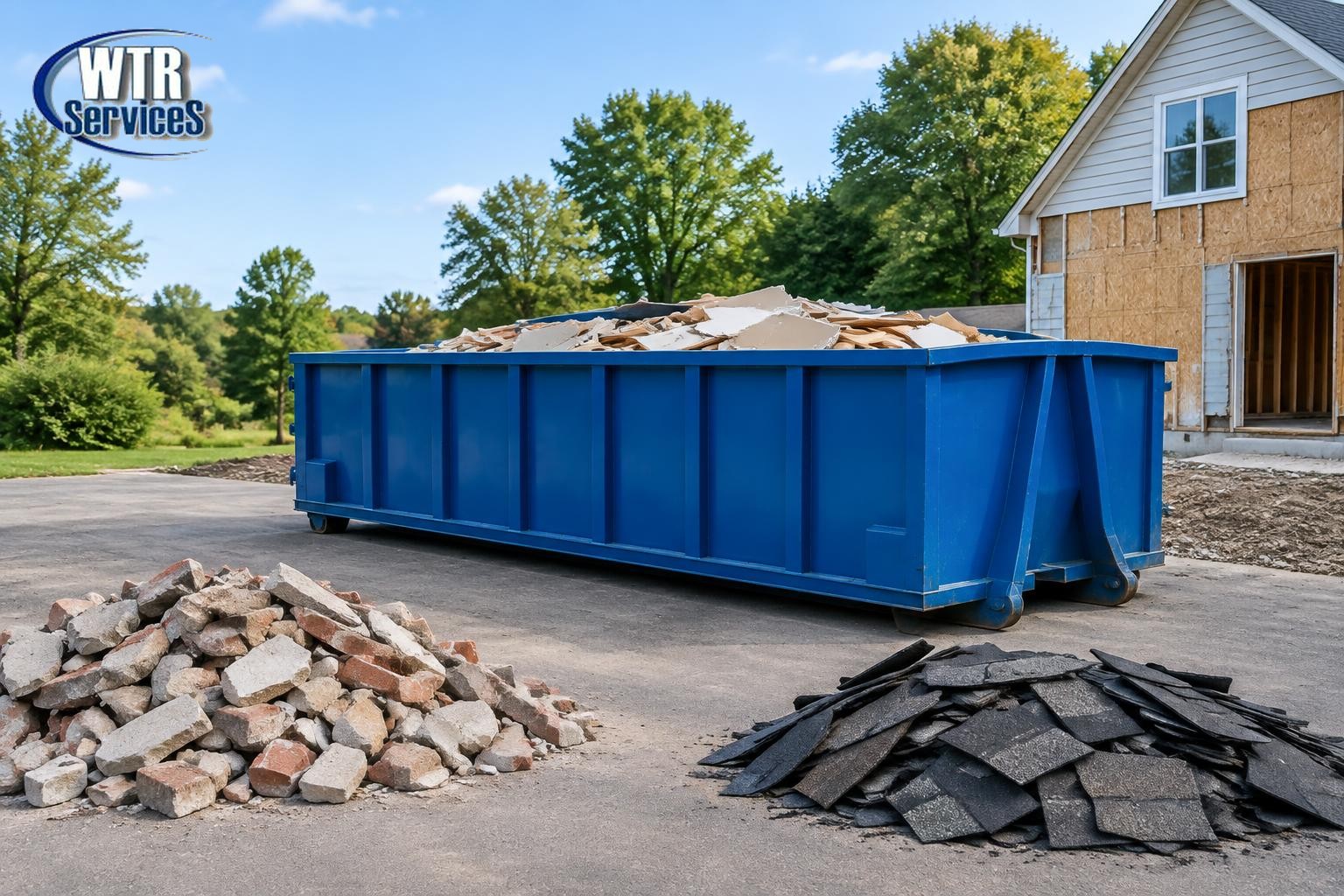
Illustrative blue roll-off dumpster at a renovation site with masonry and roofing materials staged separately and the actual WTR Services logo in the upper-left

How much weight can you put in a dumpster? There is no single answer based only on the yard size. The permitted load depends on the offered container, hauling equipment, accepted materials, rental terms, and applicable transportation requirements. Confirm the allowance and loading instructions for your actual rental before waste goes in.

A container can become too heavy before it looks full. This guide explains how to manage that risk: distinguish included tonnage from safe load restrictions, describe the materials, build a useful estimate, and communicate changes before pickup. It complements the dumpster sizing guide, rather than assigning universal weight limits to each capacity.

Three Different Limits to Confirm

Dumpster size describes nominal volume in cubic yards. It does not specify how much the waste can weigh. When discussing a rental, separate the financial allowance from the physical loading requirements.
TermWhat it describesQuestion to ask
Included weight allowanceDebris weight covered by the agreed quoteWhat allowance is included and how is excess weight handled?
Permitted load weightWeight allowed for the particular container and hauling arrangementWhat maximum load and material-specific restrictions apply?
Fill and loading requirementsPermitted height, placement, and arrangement of debrisWhere must the load stop and how should these materials be distributed?
The included allowance may be lower than the maximum permitted load. Going beyond an included allowance may affect charges under the agreement, but paying an overage does not authorize an unsafe load. Staying below the rim also does not establish that the weight is acceptable.

How Much Can Each Dumpster Size Hold?

A 10-, 15-, 20-, 30-, or 40-yard label tells you about nominal space, not a guaranteed tonnage allowance. Two containers with the same volume can have different offered terms or material restrictions. This article does not publish unverified WTR Services weight limits or guarantee availability of every size. For each option offered, ask for the included debris allowance, permitted materials, loading instructions, and any heavy-material restrictions. Describe whether the load is mostly household contents, mixed renovation waste, roofing, masonry, or soil. That description is more useful than requesting the largest dumpster and planning to fill it completely. Use the five-size comparison for capacity tradeoffs. A larger container may help with bulky permitted waste, but additional space cannot remove transportation or equipment limits.

Materials That Deserve a Separate Weight Discussion

Concrete, brick, pavers, tile, and other masonry are dense. A relatively small pile can contribute substantial weight. Before a patio, driveway, or wall-removal project, describe the material and approximate dimensions to WTR Services. Confirm whether clean material, mixed demolition waste, or a different service arrangement is appropriate. Roofing waste needs its own inventory. Tell the team the roof area, shingle type if known, number of layers being removed, and whether wood, flashing, or other components will enter the container. A roofing rental must account for those details, not just the visible size of the first debris pile. Soil, sand, rock, and excavated material can vary with composition and moisture. Acceptance is not automatic. Ask about hauling or the dirt hauling guide when a loose-material project needs another approach. Household contents and packaging often require more attention to volume, but mixed loads can still include heavy fixtures or renovation debris. Identify those components separately. Never assume everything fitting into one container can be disposed of together.

A Five-Step Waste-Weight Planning Method

Start with a material-by-material inventory, not one average density for the entire pile. You do not need a precise calculation to begin the booking discussion, but clearly described quantities and uncertainty help.
  • List each material stream, including waste from later work stages.
  • Record quantities in suitable units: roof area, slab dimensions, excavated volume, or counts of bulky fixtures.
  • Identify moisture, hidden layers, mixed materials, and other unknowns.
  • Compare any supported estimate with the offered allowance and loading restrictions.
  • Agree on what to do if the material mix or quantity changes.
For a concrete slab, surface area alone omits thickness. For roofing, area alone omits the number of layers. For soil, volume alone omits moisture and composition. Provide what you know and label estimates rather than presenting incomplete measurements as a reliable tonnage calculation. Use material-specific weight information only when it comes from a reliable reference appropriate to that material and condition. Do not apply the density of concrete to mixed renovation waste. A contractor familiar with the demolition can help describe the expected quantities; WTR Services still needs to confirm the proposed service requirements.

Account for Moisture and Scope Changes

Rain can increase the weight of materials that absorb or retain water. Wet soil and waterlogged debris may behave differently from the dry materials used in an initial estimate. Weather does not change the agreed loading requirements. Do not climb into the dumpster, handle contaminated water, or improvise a cover that interferes with safe access. Ask the team about appropriate precautions for your rental. Keep hazardous or unidentified material out of the container until disposal requirements are established. Renovations can also reveal extra flooring layers, damaged sheathing, or unexpected masonry. Before adding new dense debris, reassess the inventory and contact WTR Services. A construction rental should include a plan for changing scope rather than treating the first estimate as a guarantee.

What Happens if the Allowance Is Exceeded?

Exceeding included tonnage and creating an unsafe load are different problems. Under the actual agreement, weight beyond the included allowance may lead to additional charges. Ask how weight is determined, what records are available, and how any adjustment is calculated. No specific fee or weighing procedure is promised here. A load that does not meet permitted weight or loading requirements may need assessment or correction before transport. That can affect pickup timing and other work at the property. The appropriate response depends on the load and the team's instructions; an extra payment does not make unsafe lifting or hauling acceptable. If you suspect a problem, stop loading and contact WTR Services before pickup. Do not attempt to correct it by climbing on an unstable pile, lifting heavy objects alone, or redistributing hazardous debris. Ask what safe next steps and available service arrangements are appropriate.

Manage Weight While the Project Is Underway

Keep a record of what has been added, particularly dense material and additional contractor waste. The fill level is visible, but it is not a scale. Use the agreed inventory and loading guidance to recognize when the project is changing. Distribute accepted debris as instructed and avoid concentrating heavy material in one area. Keep waste within the permitted fill line and do not leave objects protruding. The roll-off loading guide covers ordinary loading preparation; it does not override material-specific instructions. Keep concrete, soil, roofing, and ordinary waste separate where safe and practical until the intended disposal arrangement is confirmed. Sorting can improve the booking discussion, but it does not itself establish acceptance. Check the Ohio prohibited-items guide and ask about unfamiliar items before loading.

When a Different Removal Arrangement May Be Needed

A dense-material job may need a specific container or hauling arrangement instead of a general mixed-waste rental. Do not assume WTR Services offers a specialized service for every material; provide the inventory and ask what is available. Discuss whether material must remain separate, how it will be loaded, site access, approximate quantity, and destination requirements. Contaminated soil, suspected asbestos, chemicals, and other regulated materials require appropriate professional disposal guidance, not an ordinary loading workaround. The heavy debris dumpster-versus-hauling guide helps frame the service conversation. Compare the complete plan, including loading responsibility and scheduled removal, rather than choosing solely by nominal container size.

Questions to Ask Before Reserving

Bring these questions to the booking conversation:
  • What debris weight is included in the offered quote?
  • What permitted load and material-specific restrictions apply?
  • Are all the proposed materials accepted together?
  • What fill level and weight-distribution instructions apply?
  • How is debris weight determined and how are adjustments explained?
  • What should we do if hidden debris or wet conditions change the estimate?
  • What additional pickup, exchange, or hauling options can be arranged?
Confirm actual availability and terms rather than assuming an exchange or immediate delivery is included. Review the applicable agreement before finalizing a reservation, and keep the person coordinating the work informed of the loading requirements.

Plan the Load With WTR Services

WTR Services is a family-owned company based in Warren, serving Northeast Ohio and Western Pennsylvania since 2006. Provide the service address, project description, material inventory, approximate quantities, timing, and access conditions so the team can discuss suitable available options. For a home cleanup, see residential dumpster rental. For local information, visit Warren dumpster rentals. Both household and business projects need material acceptance and load requirements confirmed before service. Call (330) 399-3817 or get a free quote with your waste inventory and weight concerns. You can also visit WTR Services for company information. The safest starting point is a clear description of the debris, not an assumed tonnage limit based on the dumpster's size.

Frequently Asked Questions

Keep Reading: Related Guides