All Articles

Dumpster Rental in Northeast Ohio: What to Expect From Delivery to Pickup

Published · Guide by WTR Services
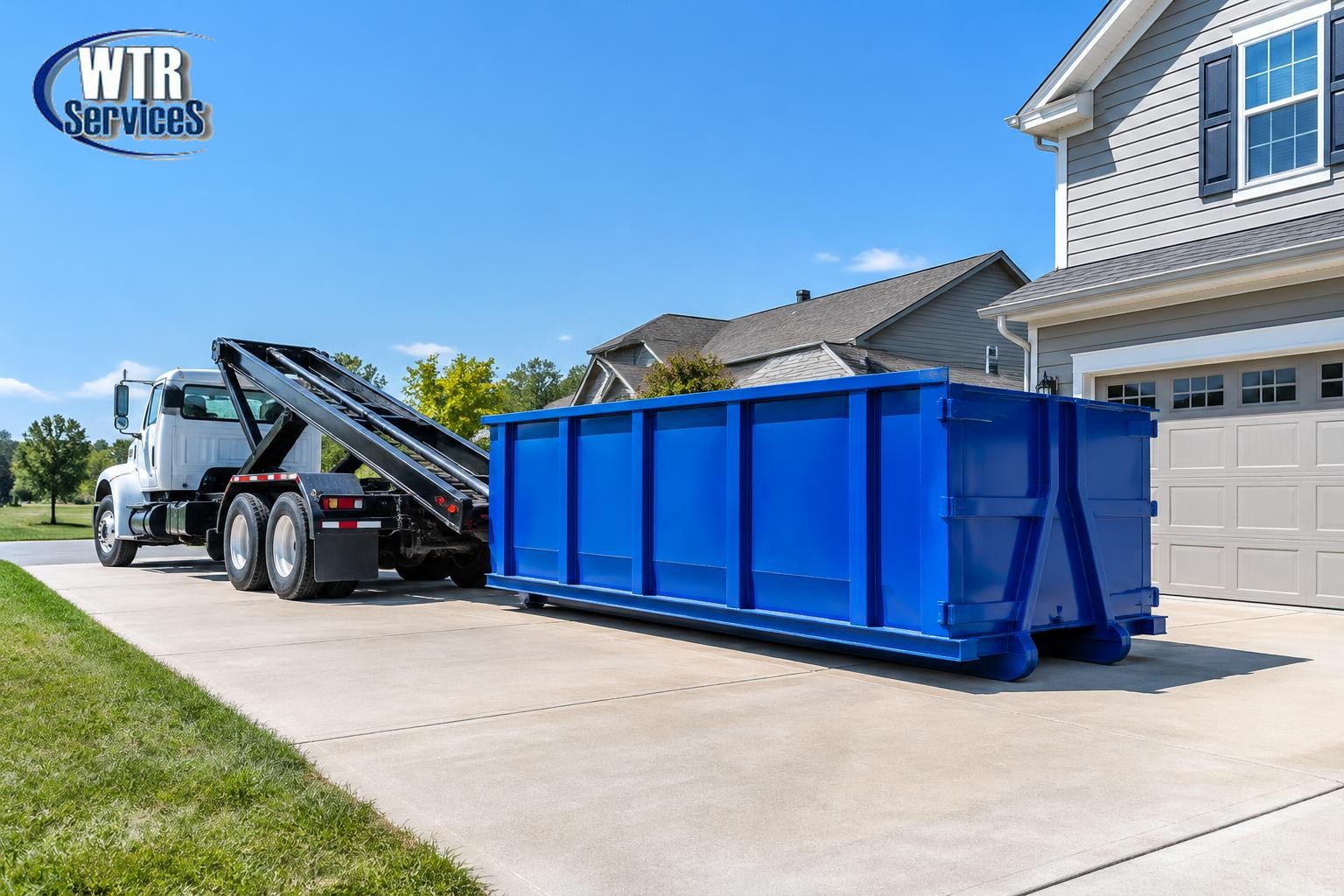
Blue roll-off dumpster and delivery truck on a clear residential driveway, with the actual WTR Services logo in the upper-left corner

If you have never rented a dumpster, it helps to understand the whole process before cleanup begins. Who chooses the placement spot? What should be ready when the truck arrives? Does pickup happen automatically when you finish? These decisions are easier when you think in four stages: booking, delivery, loading, and pickup.

This guide follows the customer journey for a temporary roll-off rental in Northeast Ohio. It is not a replacement for your confirmed rental terms or the specialist size and material guides. WTR Services can help you discuss the project before scheduling, whether you are clearing a home, managing a renovation, or coordinating waste at a business.

Stage 1: Describe the Project Before Booking

A temporary dumpster provides a collection point for permitted waste that exceeds ordinary trash collection. Homeowners may use one for moving or remodeling; contractors for building debris; landlords for turnovers; and businesses for facility cleanouts. The right arrangement depends on the waste and work schedule, not just the customer category. Start with a material inventory. Household contents, packaging, cabinets, flooring, and roofing debris have different volume and weight characteristics. Identify large pieces and anything that may need separate disposal before asking for a container. Photos and approximate quantities can help describe the job without pretending to know its exact weight. Tell WTR Services if your cleanup includes dense debris, appliances, electronics, liquids, or unidentified materials. Acceptance must be confirmed for your specific service. For background, read the Ohio prohibited-items guide. An item fitting inside the container does not make it acceptable.

Match the Container and Rental Terms to the Work

Discuss the estimated volume, weight, project type, available space, and timeline together. A large container is not permission to load unlimited heavy debris, and a small container is not always the best choice for bulky household items. Use the dumpster sizing guide for comparison, then ask WTR Services to confirm suitable options and current availability. Before reserving, clarify the agreed rental period, included weight allowance, loading restrictions, delivery and pickup arrangements, and any circumstances that may change your quote. Ask how to request an extension, exchange, or additional container if the work grows. Do not assume an extension is automatic or that an exchange is part of every rental. Review the applicable terms and complete any required agreement before the reservation is finalized. Keep the confirmation and contact details somewhere the person managing the project can find them.

Give the Team a Complete Booking Brief

A clear booking conversation reduces avoidable changes on delivery day. Prepare the following information:
  • Exact service address and the person coordinating the project.
  • Project type, main materials, and estimated debris quantity.
  • Any unusually heavy, bulky, or potentially restricted items.
  • Preferred delivery date and expected completion date.
  • Proposed placement area and property authorization.
  • Gates, narrow approaches, overhead obstacles, and other access conditions.
Confirm the offered schedule instead of assuming same-day availability. If a contractor needs the dumpster before demolition starts, coordinate the confirmed delivery arrangements with that contractor. For local information, visit Warren dumpster rental or Youngstown dumpster rental, and provide your exact address when requesting service.

Stage 2: Get Ready for Dumpster Delivery

Choose a location that works for the delivery vehicle as well as the people loading the container. The truck needs room to approach, position the dumpster, and leave. A space that looks large enough for the container alone may not provide enough room for the equipment. Discuss unusual conditions with WTR Services rather than guessing clearance requirements. Before arrival, move parked vehicles, equipment, and loose obstacles. Arrange access through gates and communicate any entry instructions. Keep building entrances, emergency routes, and neighboring access unobstructed. On commercial properties, coordinate the area with staff, customers, tenants, and contractors. If you propose placement in a street or another public space, check requirements with the local authority before delivery. Private-property placement also needs permission and a suitable surface. See our delivery preparation guide for detailed access checks and the Ohio placement guide for permit preparation.

What Happens When the Truck Arrives?

The driver brings the container to the service address and positions it in the agreed location when site conditions allow. The exact process depends on the vehicle, container, and access. Keep children, pets, pedestrians, and other workers out of the operating area, and follow the driver's instructions. Confirm in advance whether someone needs to be onsite. If the agreed spot becomes blocked or unsuitable, contact WTR Services before the truck arrives. Do not relocate the container yourself or assume the driver can place it anywhere else. A change in location may need another access and permission check. After delivery, make sure the loading approach remains clear. Tell the team promptly if the location conflicts with other work rather than waiting until removal day.

Stage 3: Load Permitted Materials and Monitor Progress

Once the dumpster is positioned and the area is safe, begin loading within the confirmed requirements. Distribute weight rather than concentrating dense debris in one corner. Flatten cardboard and safely disassemble suitable bulky items to reduce wasted space. Do not attempt unsafe lifting or dismantling simply to fit more into the container. Keep debris below the fill line and within the agreed weight allowance. These are separate checks: a container can become too heavy without looking full. Never add chemicals, flammable liquids, batteries, propane tanks, suspected asbestos, medical waste, or other restricted materials without appropriate disposal guidance. Confirm uncertain items before loading. For the detailed loading sequence, use the roll-off loading guide. This customer-journey guide focuses on when to check progress and communicate changes, rather than repeating every loading technique. During the project, watch the material mix, fill level, access, and remaining work. Contact WTR Services before overloading if the container will not hold the remaining debris. Ask about available next steps; an additional container or exchange must be arranged, not assumed.

Handle Schedule Changes Before the Rental Ends

Work sometimes finishes early, and renovations can take longer than expected. Neither event automatically changes the confirmed service arrangement. Contact the team when your expected finish date changes and ask what timing is available. For a contractor or property manager, designate one person to approve service changes. That prevents different crews from giving conflicting instructions about pickup, additional containers, or access. Keep loading permissions clear so tenants or neighboring businesses do not add unapproved waste. Use the rental duration guide for planning questions, but rely on your actual agreement for the rental window and extension arrangements.

Stage 4: Confirm Pickup and Restore Truck Access

When the work is ready for removal, follow the pickup instructions agreed at booking. Do not assume that finishing the cleanup automatically alerts the team. Confirm the removal arrangements and communicate gate access, parked vehicles, or other conditions that have changed since delivery.
  • Finish loading accepted materials before the arranged collection.
  • Check that nothing protrudes above the permitted fill level.
  • Contact WTR Services about uncertain materials or loading concerns.
  • Move vehicles, equipment, and obstacles from the truck approach.
  • Keep gates accessible and people away from the operating area.
Do not climb into an unstable load or handle hazardous items to correct a problem yourself. Ask for appropriate instructions. The truck needs safe access to retrieve the container, so a clear loading area during the project must remain clear at pickup too.

What Happens During and After Pickup?

The service vehicle accesses and retrieves the dumpster using the equipment suited to that container. Keep the operating area clear and follow the driver's directions. Removal may be affected by blocked access or loading that does not meet the agreed requirements, so raise concerns before the scheduled visit. Once the container has left, inspect the area from a safe position and complete any remaining ordinary cleanup. Retain your rental confirmation and service records. If there is a question about the service or final charges, discuss it with WTR Services rather than assuming every possible adjustment was included in the initial quote.

Residential and Business Projects Follow the Same Handoffs

The basic journey is similar for a residential dumpster rental and a commercial dumpster project: confirm requirements, prepare access, manage the load, and arrange removal. The differences are usually the material mix, work volume, timing, and who controls the site. Homeowners may need to keep a driveway usable. Businesses may need to preserve customer parking and loading docks. Contractors may need to coordinate several crews. Temporary project service is different from ongoing commercial waste collection; describe which arrangement you need before booking.

First-Time Rental Checklist

Before booking:
  • List materials, approximate volume, and unusually heavy items.
  • Confirm suitable size, acceptance, rental terms, and reservation requirements.
  • Agree on a placement location and proposed dates.
Before delivery:
  • Clear the truck approach and container area.
  • Confirm permission, gates, and onsite contact arrangements.
  • Coordinate access with anyone sharing the property.
During the rental:
  • Load only permitted waste within fill and weight requirements.
  • Monitor remaining capacity and keep access clear.
  • Contact the team about timeline or service changes.
Before pickup:
  • Follow the agreed removal instructions.
  • Finish loading and resolve concerns with the team.
  • Move obstacles and retain the service records.

Plan Your Rental With WTR Services

WTR Services is a family-owned company based in Warren and serving Northeast Ohio and Western Pennsylvania since 2006. A clear description of your waste, location, and timeline helps the team discuss the service that fits your project. Call (330) 399-3817 or request a free quote before cleanup begins. You can also visit WTR Services for company information. Confirm current availability and your specific rental arrangements before coordinating work around delivery or pickup.

Frequently Asked Questions

Keep Reading: Related Guides