
All Articles

How to Load a Roll-Off Dumpster Efficiently: Tips to Maximize Space and Avoid Problems

Published · Guide by WTR Services
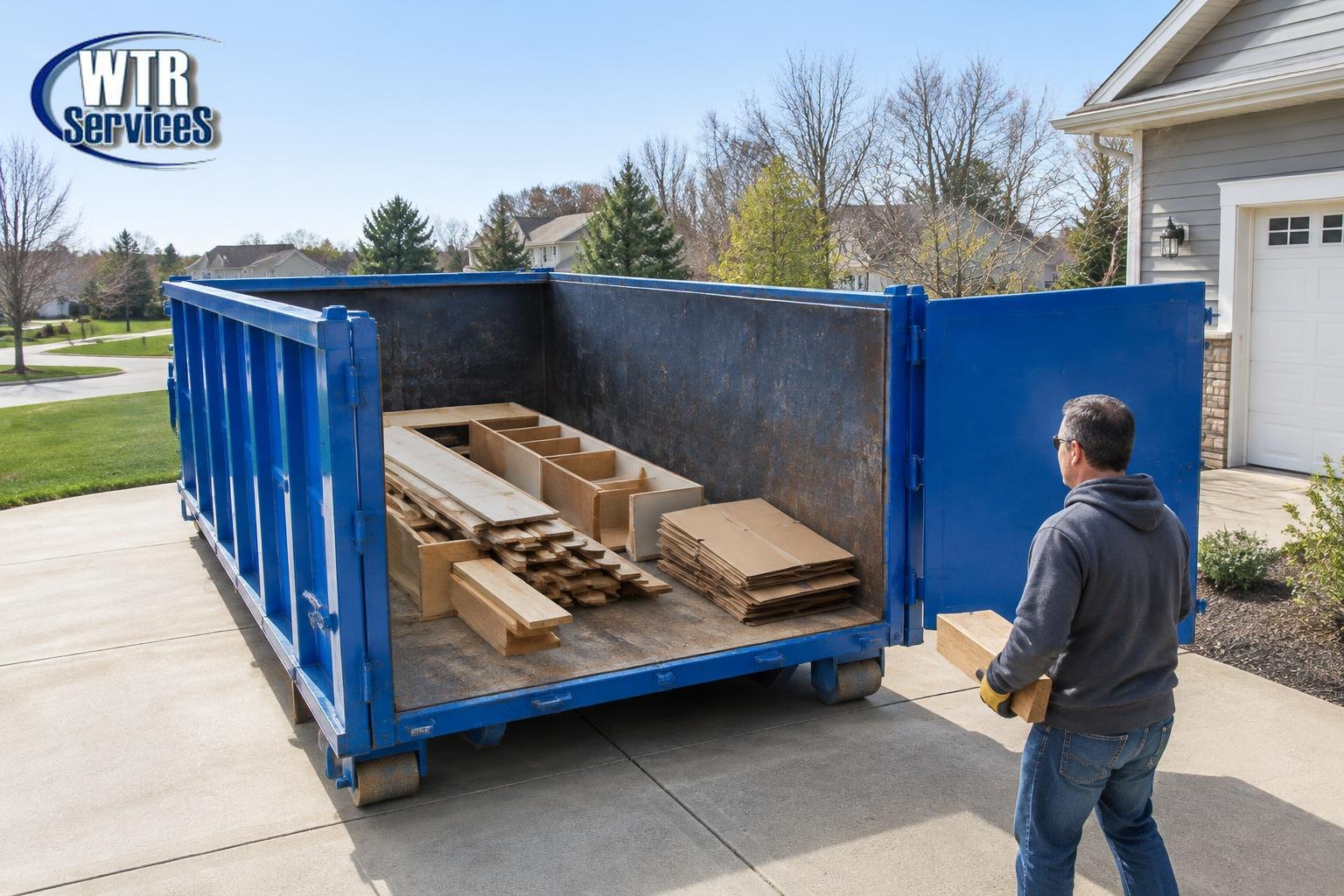
WTR Services dumpster loading guide showing flat lumber and cardboard arranged inside a blue roll-off dumpster with its loading door open

A dumpster can hold a surprising amount of waste when it is loaded in the right order. Tossing everything in without a plan can leave large gaps, create uneven weight, and use up space much faster. Knowing how to load a dumpster helps you use its capacity while keeping the container suitable for pickup. WTR Services provides roll-off dumpsters for home cleanouts, renovations, roofing, construction, and other projects across Northeast Ohio. This guide explains how to arrange debris, break down bulky items, distribute heavy materials, and avoid common loading problems. Efficient loading never replaces the container's weight limit or accepted-material rules.

Key Takeaways

  • Start with approved heavy, flat materials to create a stable bottom layer.
  • Break down suitable furniture and flatten boxes before loading.
  • Distribute heavy debris rather than piling it in one corner.
  • Use smaller approved pieces to fill accessible gaps between larger items.
  • Keep all waste at or below the marked fill line and within the container.
  • Confirm weight limits and instructions for dense materials before loading.

Why Does Loading Order Matter?

An intact table or an upright pile of cabinets can leave unused space underneath and between pieces. If bulky items go in randomly, smaller debris may form a pile above them while usable space remains below. Heavy debris concentrated on one side can also create an uneven load. Plan the sequence before the cleanup starts. Separate materials by size, weight, and disposal requirements. For an overview of container types and project uses, see our roll-off dumpster rental guide. This article focuses on loading the container after you have selected it.

What Should Go in the Dumpster First?

For an approved mixed-debris load, start with heavy, flat pieces that can form a stable base. Lay suitable flooring and lumber flat rather than leaning everything upright. Spread this material across the bottom instead of concentrating it at the back or in one corner. Next place dismantled bulky items, then smaller debris that fits around them. If the container has a walk-in loading door, ask the provider how to operate and secure it safely. Keep the doorway and your carrying route clear while using it, and follow the provider's instructions before adding material that could block the door.

How Do You Break Down Bulky Items?

Furniture, boxes, and shelving often take up more room than their actual material volume requires. Remove table legs, take drawers out of cabinets, and dismantle suitable shelves when it is safe to do so. Flatten cardboard or separate it for recycling where appropriate. Cutting suitable wood into manageable pieces can help, but use the right tools and protective equipment. Do not dismantle appliances, batteries, pressurized containers, or unknown equipment to make them fit. Check acceptance first. Use help for heavy lifting, and do not climb onto an unstable load to rearrange it.

How Should Heavy Materials Be Distributed?

Spread permitted heavy debris evenly across the floor. Imagine a broad, low layer rather than a tall mound on one side. Check the load periodically as different rooms or work areas are cleared so that the weight does not accumulate in one section. Concrete, brick, soil, and similar dense materials can reach a weight limit long before the dumpster appears full. They may require a dedicated container and a lower loading limit. Ask WTR Services before mixing these materials with household waste. Our concrete dumpster guide explains why heavy debris needs separate planning; construction dumpster rentals should be matched to the specific project and materials.

How Can You Fill Empty Spaces?

Once larger approved pieces are positioned, use smaller wood, flattened cardboard, and other accepted debris to fill accessible gaps. This makes better use of the space without forcing material into the container or creating a separate pile above the larger items. Only fill gaps you can reach safely from a stable position. Never climb into shifting debris, crawl beneath a bulky item, or use a vehicle to compact the load. Space efficiency means arranging materials thoughtfully, not crushing more waste into a container beyond its limits.

How Full Can You Load a Roll-Off Dumpster?

Keep waste at or below the marked fill line; if no separate line is marked, confirm the provider's instructions and never stack above the rim. Nothing should hang over the sides or protrude from the container. A visible gap at the top does not mean there is weight capacity left. Overfilled containers can create transport hazards and may need material removed before pickup. Check the WTR Services rental terms for loading and weight requirements. If the waste will not fit within the agreed limits, contact the company about the next step rather than adding it above the edge.

What Should Stay Out of the Load?

Keep restricted items separate from approved debris from the beginning. Chemicals, liquids, batteries, propane tanks, tires, and certain electronics require specific disposal guidance. Unknown containers should not be emptied or hidden among other waste. Review our Ohio prohibited items guide, then ask about your exact materials. A residential dumpster rental can handle many cleanout projects, but not every household item is automatically accepted. Confirm appliances, mattresses, and unusual materials individually before loading.

Common Dumpster Loading Mistakes

A few avoidable habits waste space or complicate pickup:
  • Loading intact furniture without safe disassembly
  • Piling all heavy debris in one area
  • Leaving large gaps beneath awkwardly positioned items
  • Stacking waste above the fill line or rim
  • Mixing dense debris without checking the rental instructions
  • Adding restricted materials without asking
  • Blocking truck access with loose waste or parked vehicles
Take a moment between loads to check the arrangement from outside the container. Keep children and pets away from the loading area and keep waste contained instead of creating piles around the dumpster.

What Should You Confirm Before Loading?

Ask about accepted materials, the weight allowance, fill requirements, rental duration, and pickup instructions. Describe the bulky items and dense debris you expect. An appropriately sized container is easier to load correctly than one selected solely by its appearance. Our dumpster sizing guide can help you prepare that conversation. Before pickup, make sure the container and truck route remain accessible and the door is secured as instructed. Check the delivery preparation guide for access considerations that also matter at collection. Call the provider if you are unsure whether the load is ready.

Plan an Easier Cleanup From First Load to Pickup

Start with suitable flat materials, dismantle bulky pieces safely, spread heavy debris evenly, and fill reachable gaps with smaller approved items. Keep the load within both the fill and weight limits, and set restricted waste aside for separate guidance. Planning a home cleanout, renovation, roofing job, or construction project in Northeast Ohio? Request a free quote or call WTR Services at (330) 399-3817 to discuss the materials, container size, and loading requirements for your project.

Frequently Asked Questions

Keep Reading: Related Guides