All Articles

Roll-Off Dumpster Rentals: How They Work

Published · Guide by WTR Services
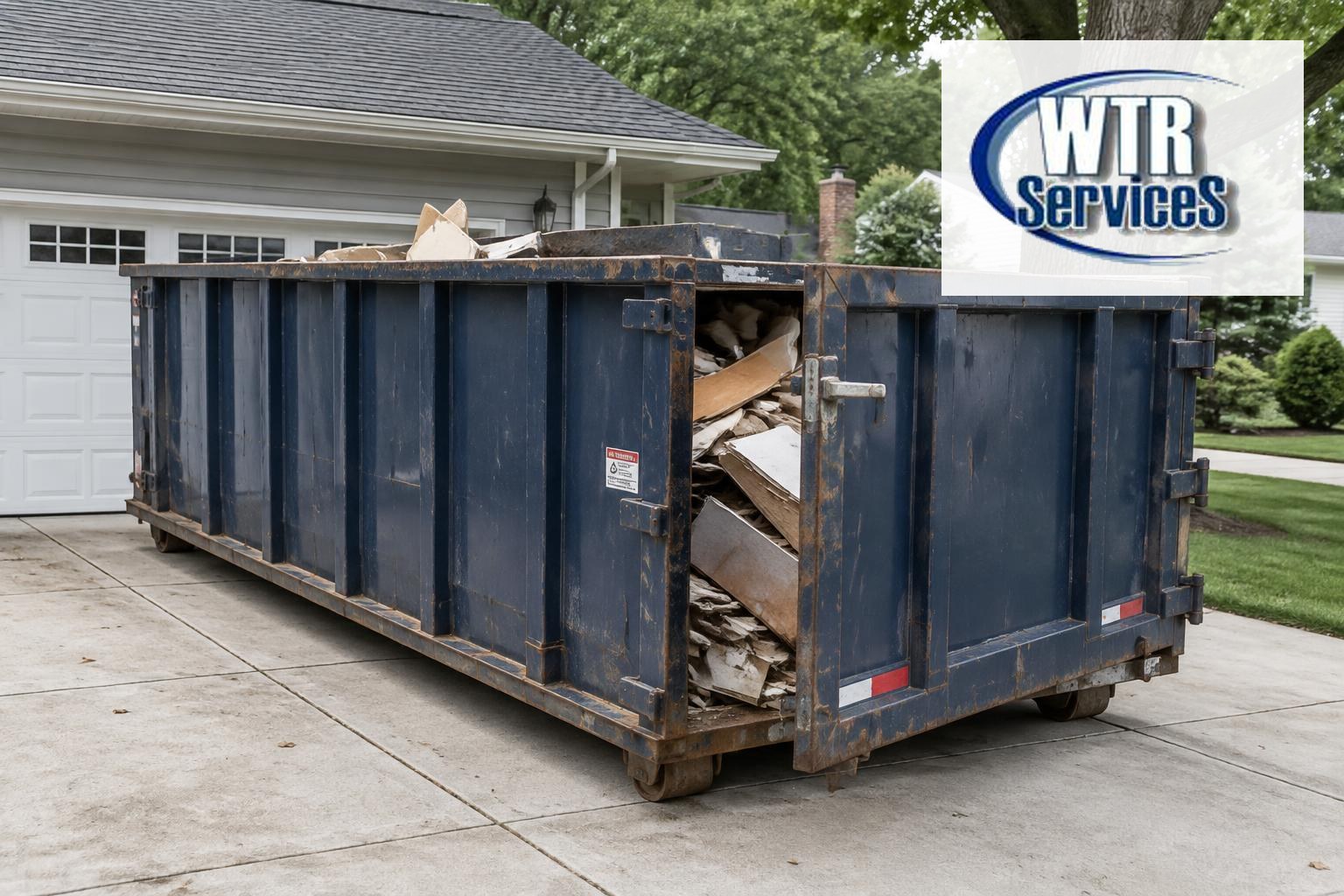
WTR Services roll-off dumpster delivered to a residential driveway in Northeast Ohio

Curbside trash collection is not built for remodeling debris, roof tear-offs, or a full property cleanout, and repeated landfill trips add fuel, time, and vehicle wear to a project that is already busy. A roll-off dumpster rental replaces those trips with one container that stays on site while the work happens.

This guide focuses on the mechanics of a roll-off rental: how the container is delivered and retrieved, where it can safely sit, how weight allowances work, and how debris should be loaded. For size selection and pricing detail, WTR Services keeps separate guides linked throughout.

Key Takeaways

  • A roll-off is a temporary open-top container delivered and retrieved by a hydraulic hook or cable truck.
  • Delivery needs a firm, level surface plus a clear approach and overhead clearance.
  • Rentals include a weight allowance; dense material reaches it long before the container looks full.
  • Debris must stay level with or below the top rail so the load can legally travel.
  • Ask what a quote includes rather than comparing one advertised number.

What a Roll-Off Dumpster Is

Unlike the permanent steel dumpster behind a store or apartment building, a roll-off is a temporary container brought out for a specific project and taken away when the job ends. The containers are open-topped, heavy steel, and built on rails so a specialized truck can roll them off the back rather than lift them overhead. Most roll-offs also have a swinging rear door. That matters more than it sounds: instead of hoisting cabinets, drywall sheets, furniture, or bundles of flooring over a side wall, a crew can walk them straight in. It reduces lifting injuries, speeds up loading, and keeps a job site from turning into scattered piles.

How the Rental Process Runs

A roll-off rental follows the same sequence almost every time. Describe the project and debris, agree on a container and a delivery date, keep the placement area clear, fill the container during the work, then request pickup. The hauler takes the load to a licensed transfer, recycling, or disposal facility. The two points where projects usually go wrong are the beginning and the end. At the beginning, an incomplete debris description leads to the wrong container. At the end, waiting until the final day to ask about pickup can leave a full dumpster sitting through a closing or inspection. Confirm both when you book: what the container is expected to hold, and how pickup is requested.

Container Sizes at a Glance

Roll-offs are described in cubic yards of volume. The table below is a general orientation only — actual capacity, dimensions, and suitability depend on the debris and on what is available for your address and dates.
ContainerCommonly used forNotes
Smaller roll-offBathroom remodels, small tear-offs, concrete, dirt, brickShorter footprint; used when material is dense rather than bulky
Mid-size roll-offKitchen remodels, flooring, decks, garage and estate cleanoutsThe most common residential request
Large roll-offAdditions, whole-home renovations, commercial and demolition workNeeds more room on site and a longer truck approach
For a project-by-project walkthrough, read What Size Dumpster Do I Need? and then send WTR Services your debris list. A recommendation built from your actual inventory beats any chart.

Where the Container Can Sit

Placement decides whether delivery day is simple. The container needs a firm, level surface and enough length for the truck to back in, set it down, and later hook it again. Concrete, asphalt, or compacted gravel is the safest surface. Lawns can be used in some cases, but heavy steel on soft or rain-soaked ground risks ruts, sinking, and landscaping damage. Walk the approach before delivery and look for parked vehicles, narrow gates, tight turns, steep grades, tree limbs, utility lines, roof overhangs, and equipment in the way. If the container would sit on a street, alley, sidewalk, or right-of-way, local approval may be required — rules vary by city and township, so check the Ohio dumpster permit guide and your local office.

Weight Allowances and Overages

Every rental carries a weight allowance, and landfills bill haulers by the ton. That is why a container packed with concrete, dirt, asphalt, shingles, tile, or brick can pass its allowance while still looking half empty, and why heavy material should be discussed before delivery instead of mixed quietly into a general load. If you know a project produces dense debris, say so up front. Materials can often be handled in a smaller container, kept separate, or arranged differently so the load stays legal on the road and the charges stay predictable. Rain adds weight too — covering a container with a tarp during storms keeps soaked drywall, carpet, and wood from getting heavier than planned.

Loading the Container Safely

Load flat and long items first so they lie down and use space efficiently, break down bulky pieces when it is safe to do so, and spread weight across the floor rather than stacking it all at one end. Keep a clear walking path, wear gloves and sturdy footwear, and keep children and pets away from the work zone. Debris must stay level with or below the top rail. An overfilled container cannot legally travel until material is removed, which delays pickup. Some items also need separate handling regardless of space: chemicals, liquid paint, automotive fluids, batteries, tires, electronics, refrigerated appliances, and pressurized cylinders among them. Review what you can put in a dumpster and the list of Ohio prohibited items before loading.

What Shapes the Quote

Roll-off pricing reflects container size, debris type and weight, rental duration, delivery distance, disposal conditions, and any extra service requested. Two quotes can differ simply because one includes more weight or a longer rental window than the other. Give every provider the same project details, then ask what is included, which situations add charges, how an extension works, and whether any material needs separate arrangements. Our dumpster rental cost guide for Ohio explains these factors, and how long you can keep a dumpster rental covers timing questions worth asking before you confirm dates.

Rent a Roll-Off From WTR Services

WTR Services is a family-owned company based in Warren, Ohio, serving Mahoning, Trumbull, Columbiana, Portage, and Ashtabula counties in Northeast Ohio along with Mercer County in Western Pennsylvania. We handle residential dumpster rental, construction dumpster rental, and roofing dumpster rental work, with container availability depending on the project and location. Call (330) 399-3817 or get a free quote with your project type, materials, dates, and placement details. Planning a bigger job? The project planning guide walks through the full sequence before delivery day. More about our team is on wtrservices.com.

Frequently Asked Questions

Keep Reading: Related Guides