
Business Dumpster Waste Reduction: A Practical Guide
Published · Guide by WTR Services
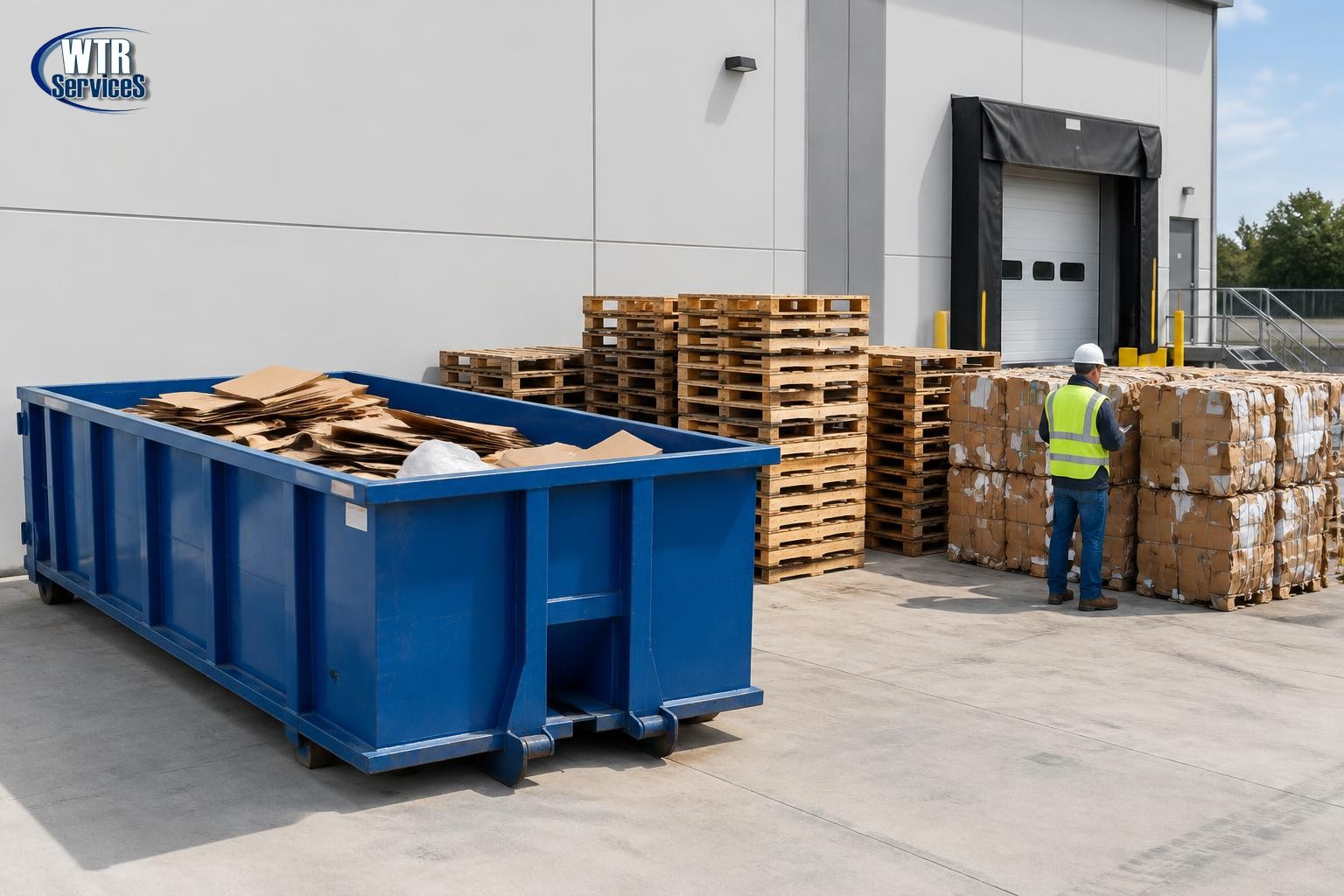
This guide explains how businesses can send less waste to their dumpsters and plan collections around real needs rather than guesswork. The starting point is knowing what you throw away. The US Environmental Protection Agency reports that containers and packaging made up 28.1 percent of municipal solid waste generated in 2018, which is exactly the kind of material most offices, shops and warehouses fill their bins with. A dependable commercial dumpster service helps, but the bigger savings come from the habits behind it. At WTR Services, we see this every day across Northeast Ohio.
Objective: To show facility managers and business owners how to cut dumpster volume, avoid overflow and match their container setup to the way they actually work.
Key Takeaways
- Measure your waste before you change anything.
- Cutting waste at source costs less than hauling it away.
- The right container size and pickup frequency prevent both overflow and wasted capacity.
- Staff habits decide whether a new system works or fails.
- Review your numbers every quarter, because your waste changes as your business does.
Why Does Dumpster Waste Build Up in Business Operations?
How Can You Audit Your Waste Before Making Changes?
- Walk the site: Note every bin, container and drop-off point, and who uses each one.
- Record what goes in: Estimate the share of cardboard, general waste, food, pallets and mixed materials.
- Check fill levels: Look at containers on the day before collection. Are they full, half full or overflowing?
- Log the costs: Add up collection fees, extra lifts and any overweight charges.
- Spot the patterns: Compare busy and quiet weeks to find your peaks.
What Are the Best Ways to Cut Waste at Source?
- Ask suppliers to cut back on packaging or take pallets and crates back.
- Flatten cardboard so one container holds far more.
- Move to reusable containers for internal deliveries and storage.
- Separate recyclables from general waste with clearly labeled bins.
- Switch paper processes to digital where it makes sense.
Which Waste Streams Are Easiest to Divert From Your Dumpster?
How Do You Match Container Size and Pickup Schedule to Your Output?
Which Container Types Support Better Operational Planning?
How Do You Prevent Overflow, Contamination and Misuse?
- Put a clear sign on every container listing what is and is not allowed.
- Keep lids closed and the surrounding area clear so trucks can reach it.
- Place the container within sight of a camera or lock it if dumping is a problem.
- Review the location if access is tight or the same spot keeps getting blocked.
- Report damage early, because a cracked lid or bent hinge only gets worse.
What Should You Look for in a Commercial Dumpster Service?
- How flexible is the collection schedule if my volumes change?
- Are overweight and extra-lift charges listed in the quote?
- How quickly can you swap a full container?
- Do you cover my area, and who do I speak to when something goes wrong?
How Can You Keep Staff Engaged and Track Results?
Ready to Improve Your Commercial Dumpster Service Plan?
Frequently Asked Questions
Keep Reading: Related Guides
- How to Estimate Project Debris Before Renting a Dumpster
Measure renovation debris piles, calculate cubic yards, allow for uncertainty, and check material weight before choosing a dumpster in Northeast Ohio.
- Dumpster Rental for Home Additions: Debris Planning
Plan dumpster rental for a Northeast Ohio home addition: compare sizes, separate heavy debris, protect household access, and coordinate delivery with your contractor.
- Dumpster Rental for Commercial Renovations: A Practical Waste Management Guide
Plan waste removal for office, retail and business renovations in Northeast Ohio: choose the right dumpster size, placement, permits, timing and supplier questions before the refit starts.
- Roof Replacement Cleanup: How Contractors Can Manage Roofing Debris Efficiently
Plan roof tear-off cleanup in Northeast Ohio: estimate shingle weight, protect the property, load safely, separate recyclables, and coordinate the container with your crew.