
All Articles

What Happens If You Overfill a Dumpster? Common Problems and How to Avoid Them

Published · Guide by WTR Services
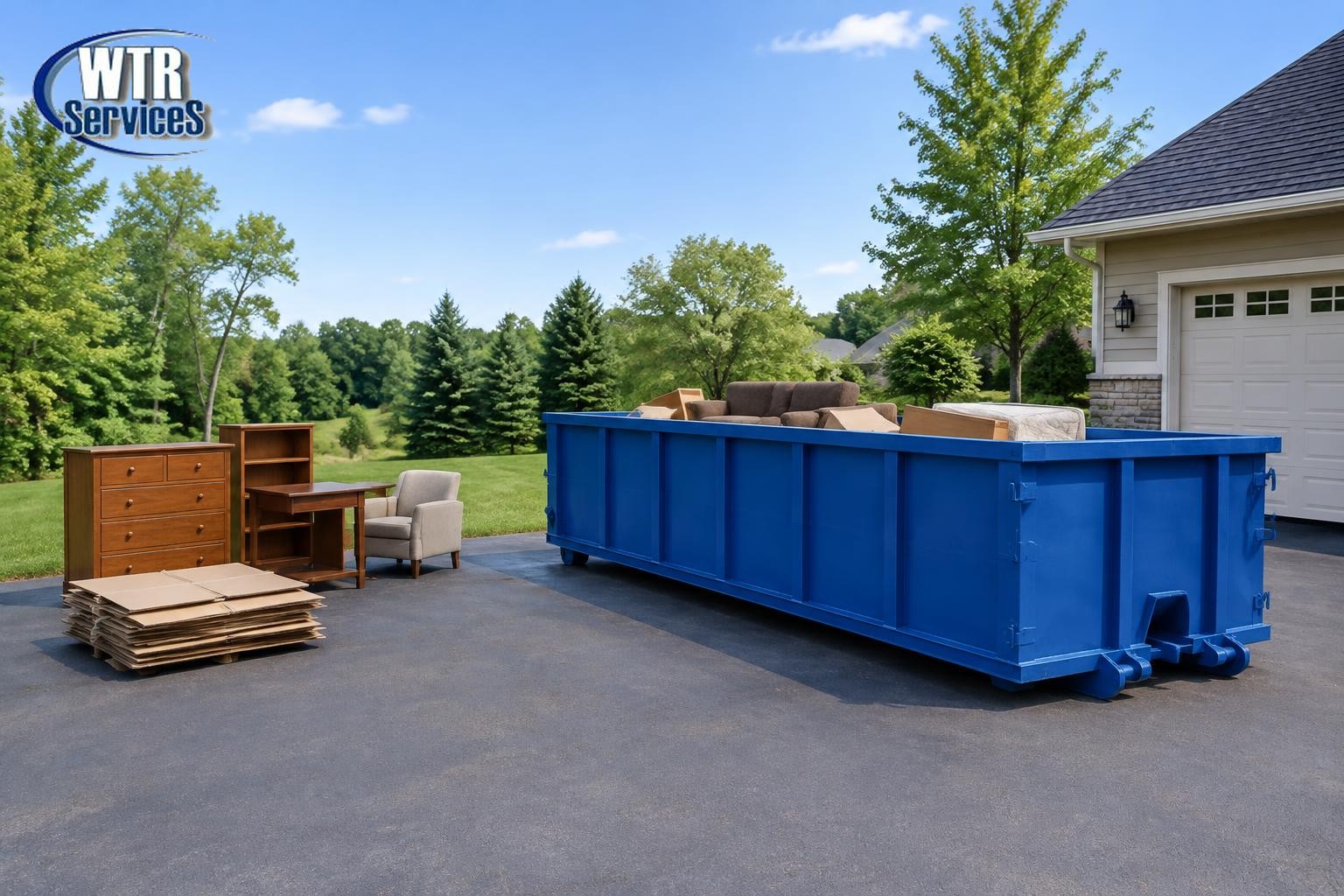
Illustrative blue roll-off dumpster with a contained household load and extra furniture staged separately, with one actual WTR Services logo in the upper-left

What happens if you overfill a dumpster? Pickup may be delayed or refused until the load meets the rental's loading requirements. Protruding or unstable waste can create handling and transportation hazards, and additional charges may apply under the actual agreement. The safest response is to stop loading and contact your rental provider before collection—not to force in the last few items.

This guide focuses on recognizing an unsuitable load and arranging safe next steps. It complements the dumpster weight-limit guide, which explains included tonnage versus permitted load weight, and the roll-off loading guide. A clear pickup plan matters whether you are cleaning out a Northeast Ohio home, renovating a property, or managing a construction site.

What Is Dumpster Overfill?

Overfill occurs when debris exceeds the permitted fill level or protrudes beyond the container. A visible top rim is a useful reference, but the instructions for the actual offered container determine where loading must stop. A container may have a fill requirement below its top edge, particularly for particular materials. Follow that requirement rather than treating every inch of space as usable.
Load conditionWhat it meansWhat to discuss before pickup
OverfilledDebris exceeds the permitted height or protrudesHow to correct the contained load safely
OverweightDebris exceeds an applicable allowance or load restrictionMaterial quantities and the approved removal plan
Unstable or unevenWaste can shift or is arranged contrary to instructionsHandling safety and suitable correction
Unapproved materialWaste has not been confirmed as acceptableAppropriate separate disposal guidance
These conditions can occur together. Furniture might exceed the fill height without being unusually heavy. Concrete or soil can create a weight problem well below the rim. Moving debris into empty space does not reduce its weight or establish material acceptance.

Six Problems an Overfilled Dumpster Can Cause

1. Delayed or refused pickup. The driver may be unable to collect a container safely when waste protrudes, loose objects can fall, or the load otherwise fails the rental's requirements. The problem may need assessment or correction before transport can proceed. Do not assume a scheduled pickup means every load can be collected as it stands. 2. Additional charges. Depending on the agreement, excess weight, extra handling, or an unsuccessful collection attempt may affect the final charge. These are not automatic consequences of every full-looking container. Ask what applies to your situation; this guide does not quote a fixed fee or promise that an extra payment permits unsafe transport. 3. Handling and transport hazards. Loosely stacked boards, furniture, branches, or demolition debris can shift or fall while the container is handled. A load that looks stable while stationary is not necessarily safe during lifting and hauling. 4. Disrupted project timing. A container waiting for correction can interfere with driveway use, contractor access, deliveries, or the next construction phase. Coordinate affected activities with the confirmed removal plan instead of assuming the work area will clear at the original time. 5. Additional work to correct the load. Protruding items may need a different arrangement before collection. That can be difficult when objects are heavy, sharp, trapped, or loosely balanced. Do not climb onto the pile or attempt an unsafe unloading operation. 6. A separate heavy-debris problem. Removing one lightweight item from the top will not necessarily resolve an overweight load beneath it. Describe concrete, bricks, tile, soil, roofing, and other dense components separately when contacting the team.

How to Recognize a Problem Before Pickup Day

Check the container as the project progresses, not only when it is time to call for collection. Stop and reassess if you notice:
  • Furniture, boards, branches, or other items extending above the permitted fill level.
  • Loose objects balanced on top or debris extending beyond the container.
  • An uneven arrangement that conflicts with the loading instructions.
  • Dense material added without confirming the appropriate restrictions.
  • Waste that was not included in the accepted material inventory.
  • A cleanup that has grown beyond the volume or material mix originally discussed.
An apparently level surface is not proof of a permitted weight. Use the agreed inventory and loading instructions as well as the visible fill line. If you are unsure, stop adding waste and explain the situation to WTR Services before pickup. Photographs can help describe visible protrusions, but they cannot establish a load's weight or replace an assessment.

What to Do If You Have Already Overfilled the Dumpster

Step 1: Stop adding waste. Do not squeeze in more bags or stack the remaining furniture above the rim. Keep any remaining debris safely separated from the container and necessary access routes. Step 2: Contact WTR Services. Call (330) 399-3817 with the service address, planned pickup timing, material description, and what appears wrong. Explain whether the issue is fill height, suspected excess weight, unstable items, or a combination. Ask what needs to happen before collection. Step 3: Keep people away from an unsafe load. Do not climb onto or into unstable debris, jump on waste to compress it, or try to move the dumpster. Heavy, sharp, contaminated, or awkward material may need appropriate professional handling. Do not improvise a lift or unload with machinery. Step 4: Follow the agreed correction plan. The appropriate arrangement could involve correcting protruding permitted items safely, arranging additional capacity, or discussing another removal method. Availability and loading responsibility must be confirmed. Rearranging material is not a solution to excess weight. Step 5: Confirm timing and applicable terms. Ask whether the pickup needs to be rescheduled, what correction is required, and whether additional handling or service affects the agreement. Tell contractors and other affected people the confirmed plan. Do not assume an immediate exchange is included or available. If the container or debris presents an immediate safety concern, keep the area clear and seek appropriate assistance. The priority is safe handling, not saving the original pickup appointment at any cost.

Loading Rules That Help Prevent a Pickup Problem

Confirm the permitted fill level, material acceptance, weight requirements, and access instructions before loading begins. Keep all debris contained and arranged as instructed. A covering or tarp does not make protruding objects or an overweight load acceptable. Do not improvise a covering that interferes with safe access or handling. Where safe and permitted, fold cardboard and break down suitable bulky objects before they enter the container. Do not dismantle items containing hazardous components or unstable structures just to make them fit. Place larger permitted items in a stable arrangement, distribute waste as instructed, and check capacity regularly. Never throw heavy debris from a height or climb inside to compact it. Check the Ohio prohibited-items guide and confirm unfamiliar materials before loading. Acceptance, fill height, and load weight are separate requirements; meeting one does not cancel the others.

When the Dumpster Fills Before the Job Is Finished

A garage cleanout can expand into a basement cleanup. A renovation can reveal another layer of flooring. Neither change is a reason to pile waste above the permitted level. Stop when you approach the limit and estimate what remains, including later work stages. Tell the team about the remaining volume, largest objects, dense materials, and preferred completion date. Discuss whether an additional container, arranged pickup or exchange, or another disposal arrangement is appropriate. No particular service change or timing is guaranteed by this guide. Use the small-versus-large dumpster guide to plan uncertain cleanup volume, or the dumpster sizing guide for broader selection help. If the remaining waste is mostly dense material rather than bulky contents, discuss the heavy debris dumpster-versus-hauling guide instead of assuming a larger container solves the problem.

Common Mistakes That Make Correction Harder

  • Choosing solely by yard size without discussing debris weight.
  • Treating the top rim as permission to exceed a lower material-specific fill instruction.
  • Balancing extra items above the load because pickup is approaching.
  • Mixing unapproved waste into otherwise acceptable debris.
  • Waiting until the collection vehicle arrives to mention a problem.
  • Climbing on waste or using improvised compaction methods.
  • Assuming an extra fee authorizes an unsafe load or immediate additional service.
The practical alternative is early communication. Keep a record of material changes and have one project contact responsible for discussing capacity and pickup with WTR Services. Review the applicable rental terms and your confirmed arrangements before work begins.

Prevent Overfill During Construction and Renovation

Estimate debris by stage: demolition, structural work, roofing or exterior work, finishing, and final cleanup. A container that fits the initial demolition pile might not accommodate later packaging and offcuts. Identify dense components separately before they enter a mixed load. Where several contractors share a dumpster, communicate the accepted materials, permitted fill level, and agreed weight requirements to everyone. Assign responsibility for monitoring the container and reporting scope changes. Keep tools and materials intended for reuse outside the waste area; needing to retrieve something later can create unnecessary handling risks. For a construction dumpster rental, coordinate the container plan with the job schedule rather than treating it as unlimited storage until work ends. Our construction site cleanup checklist provides a wider site-management workflow.

A Final Pre-Pickup Check

Before confirming collection, review these questions:
  • Is every item within the permitted fill level and contained by the dumpster?
  • Are there loose, protruding, or unstable objects?
  • Were dense materials added within the agreed loading requirements?
  • Has the material inventory changed since booking?
  • Does the load contain only confirmed accepted waste?
  • Is the truck approach clear of remaining debris, parked cars, gates, and equipment?
  • Has any suspected overfill or excess-weight problem been discussed with the team?
If any answer is unclear, contact WTR Services before proceeding. Use the delivery preparation guide for site access checks and the delivery-to-pickup guide for scheduling handoffs. Do not move the container yourself to create pickup access.

Plan a Contained Load With WTR Services

WTR Services is a family-owned company based in Warren, serving Northeast Ohio and Western Pennsylvania since 2006. Describe the service address, project, main materials, bulky items, dense debris, remaining waste, and timing so the team can discuss suitable available arrangements. For a planned home cleanup, see residential dumpster rental or Warren dumpster rental. Call (330) 399-3817 to discuss an existing load or get a free quote for a new project. You can also visit WTR Services for company information. An overfilled dumpster is a problem to assess and correct safely—not a reason to force in more waste. Keep debris contained, monitor heavy materials, and contact the team early when your project changes.

Frequently Asked Questions

Keep Reading: Related Guides