
All Articles

40 Yard Dumpster Rental for Commercial Construction

Published · Guide by WTR Services
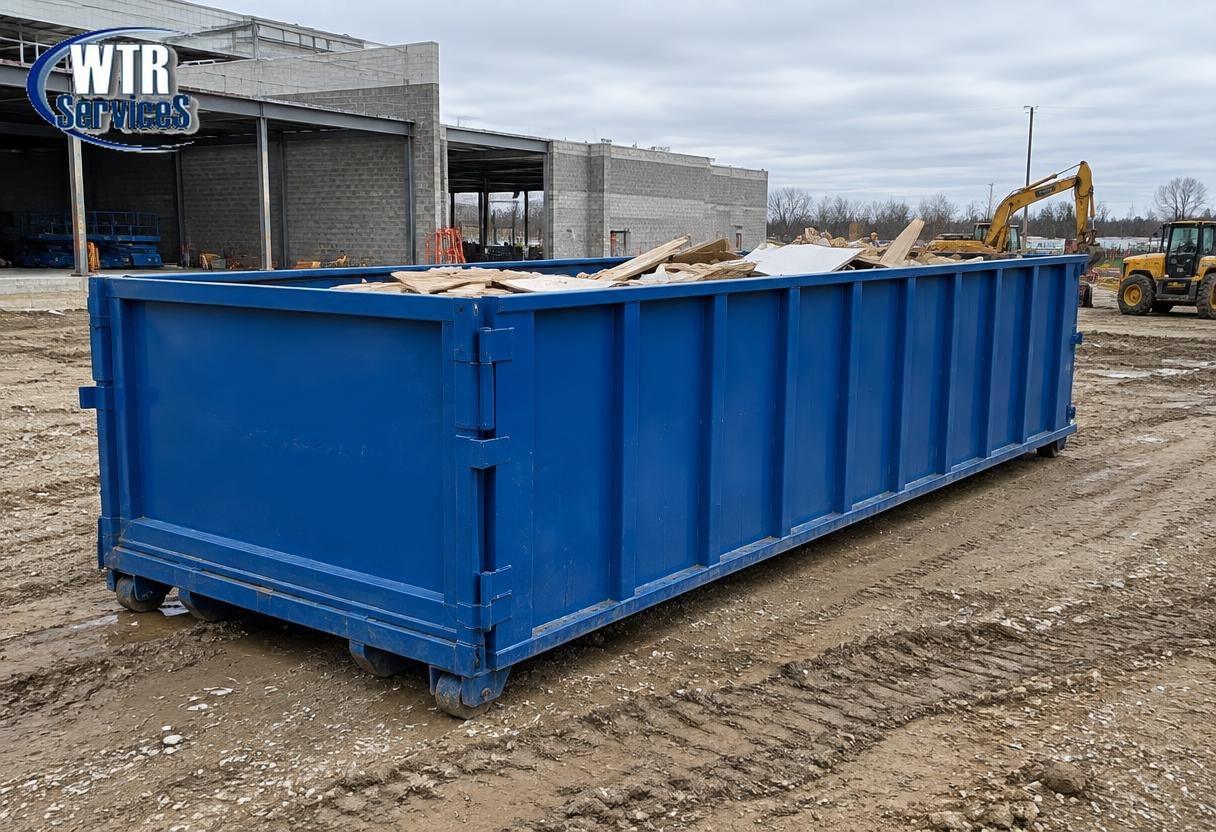
Blue 40 yard roll-off dumpster with tall walls loaded with lumber on an Ohio commercial construction site

Large commercial projects demand serious waste management. Whether you're overseeing a commercial demolition, warehouse renovation, industrial cleanup, or large-scale construction project, debris accumulates quickly and can slow productivity, compromise safety, and push timelines off track.

A 40 yard dumpster rental is the largest standard roll-off dumpster available, designed specifically for projects generating high volumes of waste. It minimizes interruptions caused by frequent dumpster swaps while giving contractors the capacity to keep large job sites clean and organized. WTR Services delivers across Mahoning, Trumbull, Columbiana, Portage, and Ashtabula counties in Ohio plus Mercer County in Western Pennsylvania.

Key Takeaways

  • A 40 yard container holds about 40 cubic yards — roughly 12 to 16 pickup loads, or up to 240 contractor bags.
  • Typical dimensions run about 22 feet long, 8 feet wide, with walls near 8 feet.
  • It is the standard pick for commercial demolition, warehouse renovations, industrial cleanouts, and multi-building projects.
  • Weight allowances are set per rental, so dense debris like concrete should be mentioned when booking.
  • Private property placement usually needs no permit; street placement often does.

What a 40 Yard Dumpster Is

A 40 yard roll-off is the largest open-top steel container commonly used for construction and demolition work. Typical dimensions run about 22 feet long, 8 feet wide, and approximately 8 feet tall, though exact measurements vary slightly between manufacturers. The footprint is similar to smaller dumpsters — the additional height is what provides the extra volume, making it ideal for bulky construction debris and commercial waste without taking up more ground space on the job site.

How Much It Holds

A 40 yard dumpster rental typically accommodates 40 cubic yards of debris — up to 240 contractor-sized trash bags, or around 12 to 16 pickup truck loads of waste, plus several tons of material depending on local weight allowances. Volume is only half the equation. Shingles, tile, plaster, and concrete reach the weight allowance while the container still looks like it has room, so mention heavy material when you book and we can size the rental to the weight rather than the space.

Projects That Fit This Size

Commercial demolition. Tearing down office buildings, retail spaces, or industrial structures produces enormous debris volume fast — a 40 yard container keeps the site clear without constant swap-outs. Warehouse and industrial cleanouts. Clearing racking, machinery packaging, pallets, and years of accumulated material from large facilities is exactly what this size was built for. Shopping center and office renovations. Multi-tenant remodels generate drywall, ceiling tiles, flooring, metal framing, and fixtures across several units at once, and one large container handles it all. Hotel, school, and apartment renovations. Large hospitality and multi-family projects produce steady, high-volume debris over extended schedules — the 40 yard keeps crews working without interruption. New construction. Builders use 40 yard dumpsters through every stage for lumber scraps, packaging, insulation, roofing waste, siding, and general job-site debris. Manufacturing facility cleanups. Plant cleanouts and production-line changes generate bulky waste that smaller containers would need multiple hauls to clear.

Benefits of Renting a 40 Yard Dumpster

Fewer hauls, less downtime. The largest capacity means fewer emptying cycles, so contractors focus on the project instead of coordinating waste pickups. Increased productivity. Workers spend less time managing debris and more time completing construction tasks. Better job site safety. Contained demolition materials and construction debris mean fewer trip hazards and a safer working environment. Lower overall project costs. One large dumpster instead of several smaller containers often reduces hauling expenses, labor costs, and project downtime. Scales with commercial operations. Commercial contractors get uninterrupted waste management that keeps pace with demanding projects.

What Goes In and What Does Not

Generally accepted: wood, drywall, roofing shingles, lumber, flooring, metal, cabinets, doors, windows, siding, furniture, construction and demolition debris, packaging, yard waste, cardboard, and plastic. Handled separately regardless of space: hazardous chemicals, liquid paint, batteries, tires, motor oil, fuel, propane cylinders, asbestos, medical waste, and certain electronics. The Ohio prohibited items guide explains where those go instead, and What Can You Put in a Dumpster? covers the accepted list in more detail. If an item is borderline, call before it goes in — one prohibited item can delay an entire load.

Loading It Efficiently

Break down oversized materials before loading so pieces lie flat instead of trapping air. Load heavy debris first, spread weight evenly along the full length of the container, and fill gaps with smaller items as you go. Never load above the container's top rail — an overfilled container cannot legally travel, which delays pickup. Proper loading improves efficiency and helps avoid additional disposal charges.

Rental Length, Placement, and Permits

Commercial construction schedules vary significantly, and WTR Services offers flexible rental periods designed to support everything from short-term demolition jobs to long-term commercial projects. If your project needs additional time, extended rentals can often be arranged based on availability. How Long Can I Keep a Dumpster Rental? covers the scheduling details worth confirming when you book. Placement needs a firm, level surface and a clear straight approach with overhead clearance. Dumpsters on private property generally do not require permits; if placement is needed on a public street or right-of-way, check with your local municipality before delivery — see the Ohio dumpster permit guide.

Is 40 Yards the Right Size?

Step down to a 30 yard dumpster rental for commercial remodeling, new construction, and interior demolition where volume is high but not industrial-scale. Step down further to a 20 yard for whole-home remodels and roofing, a 15 yard for a single kitchen or basement, or a 10 yard for a bathroom or garage. Stay at 40 for commercial demolition, industrial cleanouts, and multi-building projects, where a second haul costs more than one right-sized rental. What Size Dumpster Do I Need? compares sizes project by project, and How Much Does Dumpster Rental Cost? explains what shapes an Ohio quote.

Why Contractors Choose WTR Services

Commercial contractors throughout Northeast Ohio trust WTR Services because we understand the importance of dependable service, responsive scheduling, and reliable equipment: fast delivery, reliable pickup scheduling, flexible rental options, transparent pricing, clean and well-maintained roll-off dumpsters, and responsive local customer support. We're family-owned, founded in 2006, and based at 2421 W Market St in Warren, Ohio — serving Warren, Youngstown, Boardman, Canfield, Akron, and communities across Trumbull, Mahoning, and Columbiana counties. We handle construction dumpster rental, commercial dumpster rental, and industrial dumpster rental with clean containers and pricing explained before you book. Call (330) 399-3817 or get a free quote with your project type, materials, dates, and placement spot. More about our team is on wtrservices.com.

Frequently Asked Questions

Keep Reading: Related Guides