Roof Replacement Cleanup: How Contractors Can Manage Roofing Debris Efficiently
Published · Guide by WTR Services
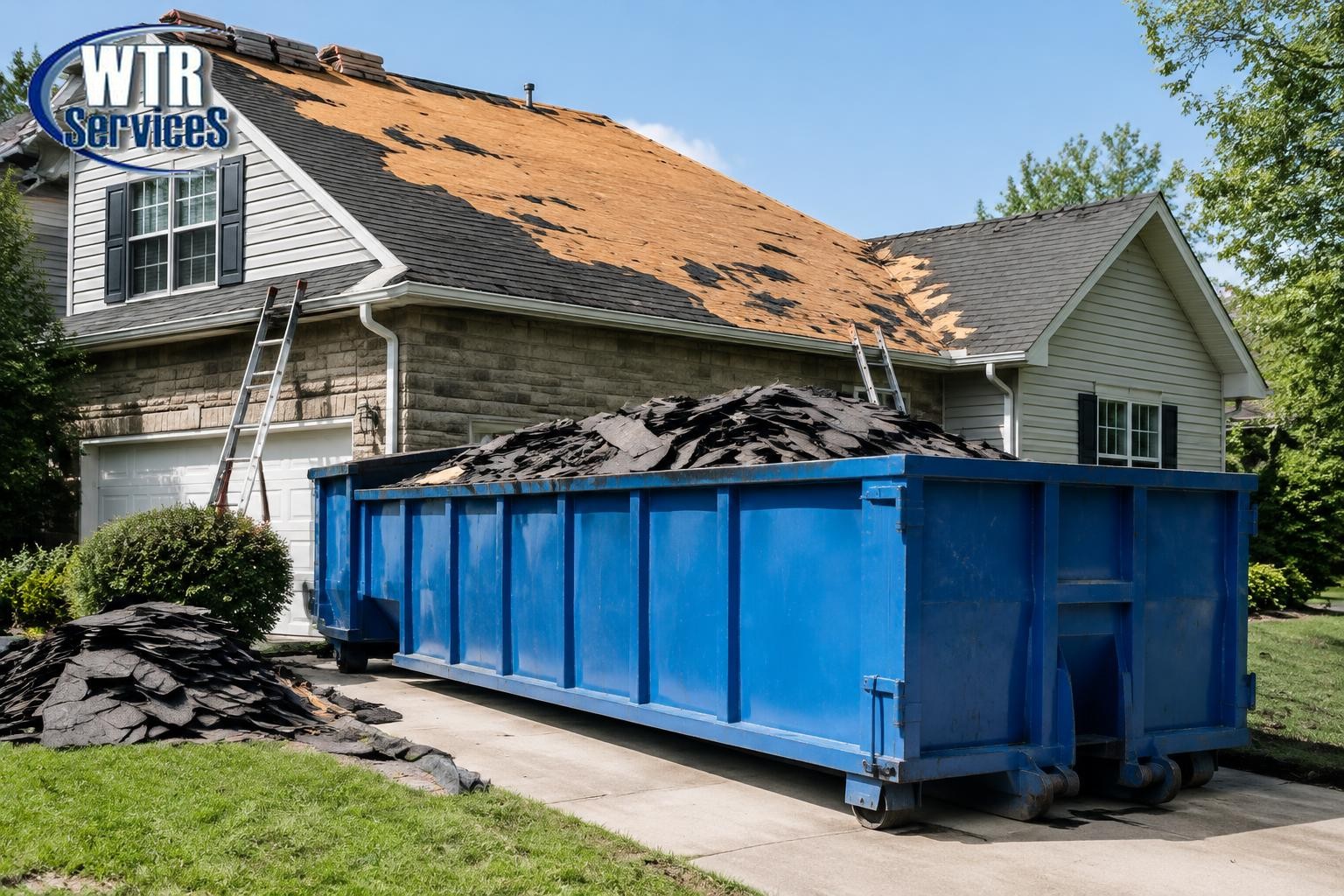
A roof replacement involves more than installing new shingles. Before the new roofing system can be completed, contractors must remove the existing materials, collect the resulting debris, protect the surrounding property, and prepare the work area for the next stage. Without a clear cleanup plan, old shingles, underlayment, flashing, nails, and packaging can quickly accumulate around the building. Dumpster rental for roof tear-offs can help contractors organize this process by providing a designated collection point for accepted roofing debris. However, roofing waste can be surprisingly heavy, particularly when a project involves multiple layers of shingles or other dense materials. Choosing an appropriate disposal solution requires attention to the roofing materials, estimated weight, loading arrangements, and the provider's restrictions. Whether you are replacing the roof of a single-family home, managing several residential projects, or coordinating a larger commercial roof replacement, an organized cleanup workflow can help keep the site more manageable and reduce avoidable delays. WTR Services is an option to consider when comparing waste removal solutions for roofing projects. Before booking, confirm the available container options, accepted materials, weight limits, and rental terms for your specific job. This guide explains how contractors can plan roof replacement cleanup, manage roofing debris from tear-off through final inspection, and determine whether a roofing dumpster rental or another removal method is appropriate. This guide focuses on the cleanup workflow around a roof tear-off: planning the container, protecting the property, controlling debris, and finishing with a clean site. For a broader overview of container selection on roofing jobs, see the roofing projects dumpster guide.
What Makes Roof Tear-Off Cleanup Different?
What Debris Does a Roof Replacement Generate?
How to Plan Dumpster Rental for Roof Tear-Offs
Estimating Roofing Debris Volume and Weight
A Step-by-Step Roof Replacement Cleanup Workflow
How to Manage Shingles, Underlayment, Flashing, and Nails
Roofing Dumpster Loading and Site Safety
Roofing Waste Disposal and Recycling Considerations
Dumpster Rental vs. Other Roofing Debris Removal Options
Factors That Can Affect Roof Tear-Off Disposal Costs
Common Roofing Cleanup Mistakes Contractors Should Avoid
How WTR Services Fits Into a Roofing Cleanup Plan
- If your project requires a dedicated option, ask about roofing dumpster rental, dumpster for roofing projects, and roofing material dumpster rental where those services are available. Confirm the actual service scope rather than assuming that every roofing material is accepted in the same container.
- Planning a roof replacement? Contact WTR Services to describe the tear-off scope, estimate the debris, and confirm which disposal option may suit your cleanup requirements.
Conclusion
Frequently Asked Questions
Keep Reading: Related Guides
- Dumpster Rental for Commercial Renovations: A Practical Waste Management Guide
Plan waste removal for office, retail and business renovations in Northeast Ohio: choose the right dumpster size, placement, permits, timing and supplier questions before the refit starts.
- Concrete, Brick and Asphalt Disposal: Choosing the Right Waste Removal Solution
Plan concrete, brick and asphalt disposal in Northeast Ohio: separate heavy materials, check reinforcement and contamination, estimate loads, and compare rental, hauling and recycling.
- Demolition Cleanup Dumpster Rental: Sort and Remove Debris After Tear-Out
Plan post-demolition cleanup in Northeast Ohio: identify hazards, sort wood and masonry, estimate debris weight, arrange safe access, and confirm removal requirements.
- Yard Cleanup Dumpster Rental: Plan Branches, Leaves, and Brush Removal
Plan a Northeast Ohio yard cleanup load: separate leaves, branches, brush, and heavy landscaping debris; confirm acceptance, container size, access, and safe loading.