
All Articles

Yard Cleanup Dumpster Rental: Plan Branches, Leaves, and Brush Removal

Published · Guide by WTR Services
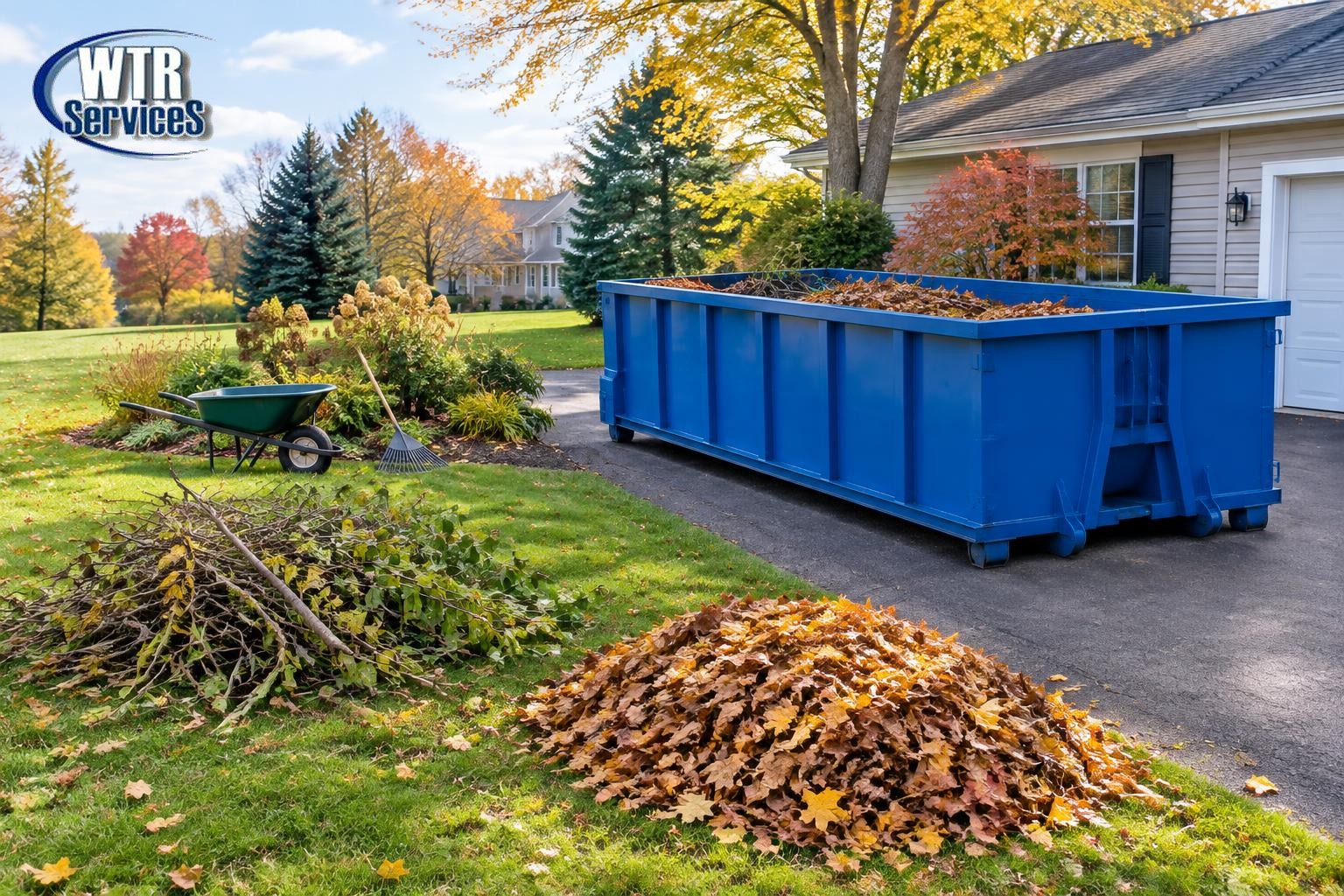
Illustrative blue roll-off dumpster on an autumn driveway beside separately staged leaves and brush, with the actual WTR Services logo in the upper-left

A major yard cleanup can generate far more waste than a few garden bags can handle. Fallen branches, piles of leaves, overgrown brush, old landscaping materials, and debris from trimming or garden renovations can quickly take over a driveway or outdoor space. A dumpster for yard cleanup can help homeowners manage larger volumes of debris in one organized project instead of relying on repeated trips to disposal facilities. Whether you are clearing an overgrown backyard, preparing a property for sale, cleaning up after landscaping work, or removing debris following seasonal maintenance, choosing the right waste removal option can make the process easier to plan and manage. WTR Services can be considered when comparing dumpster rental options for residential cleanup projects. Before booking, confirm which yard materials are accepted, what container sizes are available, and whether any restrictions apply to branches, soil, sod, or other heavy materials. This guide explains how to plan a yard cleanup, choose an appropriate dumpster, prepare landscaping debris, and determine whether a rental container or a hauling service is the better fit for your project. This guide focuses on planning separate debris streams, preparing branches and leaves, and checking the proposed load before delivery. For a broader overview of landscaping projects, see the existing yard-waste rental guide.

What Is a Dumpster for Yard Cleanup?

A dumpster for yard cleanup is a waste container used to collect and remove debris generated during outdoor maintenance, landscaping, and property cleanup projects. Instead of collecting waste in numerous small bags or making multiple disposal trips, you can gather eligible debris in one designated location. A yard cleanup dumpster may be useful for projects involving:
  • Fallen branches and tree limbs
  • Leaves, weeds, and general garden debris
  • Brush, vines, and overgrown vegetation
  • Shrubs and small plants removed during landscaping
  • Dead plants and garden bed cleanup
  • Certain old landscaping materials, subject to acceptance
  • Mixed household and outdoor clutter generated during a broader property cleanup
The exact materials accepted depend on the rental provider and disposal requirements. Yard waste is not always treated the same as general household waste, so ask whether your project requires a dedicated yard-waste container or whether eligible vegetation can be placed in a general-purpose roll-off dumpster. For larger projects, planning disposal before cleanup begins helps prevent debris piles from blocking access to the property or creating extra handling work.

When Should You Rent a Yard Cleanup Dumpster?

Not every yard project requires a dumpster. A few bags of leaves or a small amount of pruning waste may be manageable through normal yard-waste collection. A rental container becomes more worth considering when the volume of debris is substantial or several cleanup tasks need to be completed together. Clearing an Overgrown Yard An overgrown property may contain weeds, vines, dead shrubs, fallen limbs, and accumulated garden waste. Removing these materials can generate a large volume of debris, especially if the yard has not been maintained for a long time. A yard cleanup dumpster provides a central place for eligible waste as different sections of the property are cleared. This can help keep the work area organized while you move from one section to another. Removing Branches and Brush Pruning trees, trimming shrubs, and removing dense brush can leave bulky piles that are difficult to fit into standard yard-waste bags. Longer branches also take up significant space when they are not prepared properly. Before scheduling a dumpster, estimate the volume of branches and brush and ask the provider about size limits, acceptable dimensions, and any restrictions on woody debris. Completing a Landscaping Project Landscaping projects often involve more than plant material. You might remove old garden beds, clear weeds, replace shrubs, or reorganize outdoor areas. Depending on the work, the waste may include vegetation, edging, broken planters, and other materials. Separate these materials before disposal. Soil, rocks, concrete, and other dense materials can have different handling requirements from leaves and branches. Preparing a Property for Sale or Rental A neglected yard can make an outdoor space appear smaller and less inviting. Before listing a home or preparing a rental property for a new occupant, owners may remove overgrown vegetation, accumulated branches, old garden clutter, and unwanted outdoor items. A dumpster can support a coordinated cleanup when the amount of eligible waste exceeds what routine collection can handle. Cleaning Up After a Storm Strong winds and storms can leave branches, twigs, and other debris scattered across a property. If a storm has created a substantial amount of waste, a container may help consolidate the debris before removal. However, storm debris can include hazardous materials, damaged structures, or unusually heavy objects. Check the rental provider's acceptance rules and use qualified professionals for dangerous tree work, unstable structures, or downed utility lines. For severe-weather recovery, use the storm debris guide and emergency cleanup response plan. Do not approach downed utility lines or unstable trees.

What Types of Yard Waste Can Go in a Dumpster?

Accepted materials vary by provider, container type, and disposal facility. Do not assume that every item commonly described as yard waste can go into every dumpster. The following table is a planning guide, not a guarantee of acceptance.
MaterialWhat to consider
LeavesAsk whether loose leaves or bagged leaves are preferred or permitted.
Small branches and twigsConfirm any size or preparation requirements.
Brush and trimmed shrubsCheck whether woody vegetation is accepted in the selected container.
Weeds and dead plantsConfirm whether plant material can be mixed with other debris.
Grass clippingsAsk whether a dedicated yard-waste option is required.
Garden bed debrisSeparate vegetation from soil, stones, edging, and other materials.
Large tree limbsConfirm size, volume, and handling restrictions before loading.
Soil and sodCheck weight limits and whether these materials are permitted.
Rocks and concreteThese are heavy materials and may require separate disposal arrangements.
Old fencing or landscape edgingConfirm acceptance based on the material and any attached components.
Separate Vegetation From Other Debris If your cleanup involves both organic waste and general outdoor junk, separate the materials before loading. For example, leaves and branches may be handled differently from broken patio furniture, fencing, treated wood, or plastic landscaping products. This is especially important when a disposal facility requires yard waste to be kept separate for composting or other processing. Ask Before Mixing Yard Waste With Household Junk A yard cleanup can easily turn into a larger property cleanup. You may discover old pots, garden tools, broken furniture, plastic containers, or leftover materials from previous projects. Before placing mixed waste in one container, ask whether the selected dumpster permits both vegetation and general debris. If the materials require separate disposal, sorting them early can help prevent rejected loads or additional handling. Before combining debris streams, review the Ohio prohibited-items guide. Local municipal collection or composting may suit some vegetation; verify current local rules and eligibility.

What Materials May Require Special Disposal?

Some materials found during landscaping and yard cleanup should not automatically be placed in a standard dumpster. Certain items may be prohibited, restricted, or subject to different disposal procedures. Soil, Sod, Rocks, and Concrete Dense materials can reach a container's weight limit before it appears full. A relatively small pile of soil, sod, gravel, or concrete can weigh considerably more than an equivalent volume of leaves or branches. If your project includes removing a garden bed, digging out a pathway, or replacing a patio, describe the materials and estimated quantities when requesting a rental quote. Treated or Painted Wood Old fencing, landscape timbers, and wooden structures may contain coatings or treatments that affect disposal options. Ask the provider whether these materials are accepted and whether they must be separated from untreated wood or vegetation. Chemicals and Lawn-Care Products Pesticides, herbicides, fertilizers, fuels, solvents, and other chemical products may require special handling. Do not place them in a dumpster unless the provider explicitly confirms that the specific item is accepted. Follow the product label and applicable local disposal guidance for unused chemicals and their containers. Batteries, Electronics, and Pressurized Containers Batteries, electronic equipment, propane cylinders, and other pressurized containers may be restricted because of fire, environmental, or safety risks. Keep these items separate until you confirm an appropriate disposal method. Invasive Plants and Diseased Vegetation Some invasive plants or diseased plant materials may require special handling to prevent their spread. Avoid assuming that ordinary yard-waste collection is suitable for every plant. Check relevant local guidance before disposal, especially if the material contains seeds, roots, or other parts that could spread. The practical rule: When in doubt, separate the material and confirm acceptance before loading it. This is more efficient than discovering a restriction after the container is full. For dense landscaping material, compare dirt hauling and heavy debris dumpster versus hauling. These guides do not establish acceptance for your particular load.

How to Choose the Right Dumpster Size

Selecting a suitable container depends on the volume of debris, the type of material, the space available for placement, and the rental provider's restrictions. Common roll-off dumpster sizes used in the industry include 10-, 15-, 20-, 30-, and 40-yard containers. These are general examples, not a statement of WTR Services' available inventory. Confirm the sizes offered for your project.
Illustrative sizeProjects it may suitKey consideration
10-yardSmall yard cleanups, limited pruning, or a modest garden refreshBulky branches may fill the container quickly.
15-yardModerate brush removal or cleanup across several garden areasEstimate branch volume and other debris before booking.
20-yardLarger residential cleanups with a mixture of eligible materialsCheck weight limits if soil or other dense debris is involved.
30-yardExtensive property cleanups or large landscaping projectsConfirm placement space and the amount of waste expected.
40-yardVery large projects with substantial debris volumesEnsure the container and loading arrangement are suitable for the property and material.
Actual capacity, dimensions, and weight allowances vary by provider and container design. A larger dumpster is not automatically the best choice if your project produces dense materials or has limited placement space. Estimate Debris Volume Before Booking Walk around the property and identify the areas you intend to clear. Estimate the number and approximate size of debris piles rather than relying only on the size of the yard. For example, a property with scattered leaves and light pruning waste may produce less debris than a smaller property undergoing extensive shrub removal. When estimating, consider:
  • How many trees or shrubs will be trimmed or removed
  • Whether branches will be cut into manageable lengths
  • Whether leaves will be bagged or loaded loose
  • Whether old garden structures or other bulky items are included
  • Whether the project involves soil, stones, sod, or other heavy materials
If you are uncertain, explain the scope of the work to the rental provider and ask for guidance on the most appropriate container. Consider Weight as Well as Volume Yard debris varies widely in weight. Dry leaves and small twigs are relatively light, while wet vegetation, soil, sod, and rocks can be much heavier. A container that appears only partially full may still approach its weight allowance if it contains dense material. Follow the provider's fill and weight requirements, and never assume that unused space means additional heavy debris can be loaded safely. Use the dumpster sizing guide, five-size comparison, and weight-limit guide to discuss both volume and weight with the provider.

How to Prepare for a Complete Yard Cleanup

A little planning can make a large outdoor cleanup more manageable. Use the following steps to organize the work before debris starts accumulating. Step 1: Inspect the Entire Property Walk around the front yard, backyard, side areas, garden beds, and any accessible outdoor storage areas. Identify the work that needs to be completed and note any obstacles. Make a list of the main tasks, such as leaf removal, brush clearing, shrub trimming, garden bed cleanup, or disposal of old outdoor items. This gives you a clearer picture of the likely waste volume and helps you decide whether a dumpster is necessary. Step 2: Sort the Materials Divide the debris into broad categories:
  • Leaves and light vegetation
  • Branches and woody brush
  • Soil, sod, rocks, or other heavy materials
  • General outdoor junk
  • Items that require special disposal
Keep restricted or uncertain materials separate. Do not mix them into the main debris pile until you have confirmed how they should be handled. Step 3: Decide What to Keep, Reuse, or Remove Not everything removed during a yard cleanup needs to be discarded. Healthy plants may be relocated, suitable branches may be reused for an approved garden project, and usable outdoor items may be donated or sold. Create separate areas for items you intend to keep, reuse, donate, and discard. This prevents useful materials from accidentally ending up in the dumpster and can reduce the total amount of waste. Step 4: Choose the Disposal Method Determine whether the project is best suited to a yard waste dumpster rental, municipal yard-waste collection, a local composting option, or a professional hauling service. A dumpster may be a practical option when the cleanup generates substantial debris over several hours or days. Hauling may be worth comparing if the waste is already piled up and you prefer not to load a container yourself. Step 5: Arrange a Suitable Placement Area Identify a stable, accessible location for the container. Consider the driveway, access route, overhead obstructions, nearby landscaping, and the space required for delivery and pickup. Ask the provider about surface protection, placement requirements, access restrictions, and whether permission is needed for placement on public property. Step 6: Complete the Cleanup in Sections Work through one area at a time instead of spreading the cleanup across the entire property at once. For example, clear the front yard first, then move to the side areas, garden beds, and backyard. Collect and sort the debris as you go so that it can be loaded in an organized way. Step 7: Review the Container Before Pickup Before collection, check the fill level, confirm that materials comply with the provider's rules, and make sure nothing extends beyond permitted limits. Do not overload the container or leave restricted items mixed into the load. Follow the rental provider's instructions for scheduling pickup and preparing the container. Check the delivery preparation guide and Ohio placement guide before arranging delivery. If the cleanup also includes stored belongings, see the garage cleanout rental guide.

How to Load Yard Waste Efficiently and Safely

Efficient loading can help you use the container's available space without creating avoidable safety problems. Prepare Branches and Brush Cut branches into manageable lengths when it is safe to do so and when the provider permits it. Place longer pieces in a consistent direction to reduce wasted space, but avoid forcing material into the container or creating unstable piles. Do not attempt to cut large, suspended, or tensioned branches without the appropriate experience and equipment. Hire a qualified tree-care professional for hazardous cutting work. Keep Light Materials Organized Leaves, small twigs, and other light vegetation can be bulky. Collect them in manageable piles or bags if permitted by the provider. Consolidating loose material helps prevent it from spreading around the property during loading. Avoid placing bags or debris in a way that interferes with safe access to the container. Load Heavy Materials Carefully If the provider permits heavy landscaping materials, follow the specified loading instructions and weight limits. Distribute permitted material as directed rather than concentrating all the weight in one area. Never climb onto an unstable debris pile, stand beneath suspended branches, or attempt to move objects that exceed your safe lifting capacity. Protect Yourself and the Property Wear suitable gloves, sturdy footwear, and eye protection when handling brush or debris. Watch for sharp branches, thorns, splinters, hidden nails, and uneven ground. Keep children and pets away from the loading area. Use appropriate lifting techniques, and get assistance with bulky objects rather than attempting risky lifts. Follow the Fill-Line Rules Do not fill the dumpster above its permitted level or leave branches protruding where they could create a transport hazard. The provider's instructions take priority over general loading advice. If the container fills sooner than expected, contact the provider to discuss the available options instead of piling additional debris above the permitted limit. Review the roll-off loading guide and overfilling guidance. A safe fill level does not override a separate weight restriction.

Dumpster Rental vs. Professional Hauling Services

A dumpster rental and a hauling service can both help remove yard debris, but they work differently. The better choice depends on the amount of waste, how much labor you want to handle, and how long the cleanup will take.
ConsiderationDumpster rentalProfessional hauling services
Best suited toProjects where debris is generated over timeProjects where debris is ready for collection
LoadingThe customer generally loads the container unless another arrangement is confirmedThe service may include loading, depending on the provider and agreement
TimingUseful when you want to work through a cleanup in stages within the rental termsUseful when you prefer to arrange a collection of an existing debris pile
LaborRequires time and effort to sort and load materialsMay reduce your loading workload if labor is included
VolumeCan suit larger projects with a predictable container requirementMay suit smaller or larger jobs depending on vehicle capacity and service terms
PricingDepends on rental terms, container size, duration, weight, and other applicable feesDepends on volume, labor, material type, access, and service terms
When a Dumpster Rental May Make More Sense Consider a dumpster if you expect to generate debris throughout a weekend cleanup, landscaping project, or multi-area property refresh. It can provide one central collection point while you work through the property. It may also suit projects where the debris is spread across the yard and you want to load it as each section is cleared. When Hauling Services May Be a Better Fit Hauling may be more convenient when the branches, brush, or other eligible debris have already been collected into piles and you do not want to load a dumpster yourself. It may also be worth comparing if the project is small or if you need assistance moving bulky items. Confirm what labor, loading, transportation, and disposal are included in the quoted service. Compare the Complete Scope, Not Just the Headline Price When comparing a dumpster with hauling services, review the full terms. A rental quote and a hauling quote may cover different amounts of labor, waste volume, rental time, and disposal. Ask about accepted materials, weight limits, additional fees, access requirements, and the exact services included. This makes the comparison more useful than choosing solely by the lowest initial price. See hauling services for company information. Loading assistance, tree cutting, and yard-clearing labor are not promised by this article; confirm the exact scope of any proposed service.

Factors That Can Affect Yard Cleanup Costs

The cost of a yard cleanup dumpster depends on the specific rental terms and the nature of the project. Request a quote based on your actual debris rather than relying on a general price estimate. Important factors may include: Dumpster Size A larger container may have a different base rental price from a smaller one. However, selecting a size that is too small may create additional handling or rental needs, so compare capacity with the amount of debris expected. Type and Weight of Debris Leaves, branches, soil, sod, and construction-related landscaping materials have different weight and handling characteristics. Some materials may require a dedicated container or a separate disposal arrangement. Rental Period The length of time you need the container can affect the total cost. Ask how the rental period is calculated and whether extensions are available if the cleanup takes longer than planned. Delivery, Pickup, and Placement Confirm the delivery and pickup arrangements, placement requirements, and any potential additional charges. Restricted access or a need for special placement arrangements may affect the service. Overweight Loads and Restricted Materials Loads that exceed the provider's permitted weight or contain prohibited items can lead to additional charges or require corrective action. Confirm the rules before loading to avoid surprises. Additional Hauling or Labor If you need help gathering or loading debris, compare the cost of a dumpster-only rental with a hauling option that includes labor. Make sure you understand exactly what is included in each quote. Confirm dates, extensions, and pickup with the rental-duration guide. Request project-specific terms rather than assuming a standard allowance or price.

Common Yard Cleanup Mistakes to Avoid

A well-planned cleanup can still become inefficient if disposal requirements are overlooked. Avoid these common mistakes. Choosing a dumpster based only on yard size. The volume and type of debris matter more than the overall square footage of the property. Estimate the actual waste before choosing a container. Assuming all organic material is accepted. Leaves, branches, soil, sod, and other landscaping materials may have different disposal requirements. Verify the accepted materials in advance. Ignoring weight limits. Dense materials can reach the permitted weight before the dumpster looks full. Ask about limits when the project involves soil, rocks, sod, or wet vegetation. Mixing restricted items with ordinary debris. Keep chemicals, batteries, pressurized containers, and uncertain materials separate until you have confirmed the correct disposal method. Starting without a sorting plan. When everything is mixed together, useful items can be discarded and restricted materials may be harder to identify. Sort the waste before loading. Underestimating bulky branches. Branches and brush can occupy more space than expected. Estimate their volume and ask about preparation requirements. Ignoring access and placement. A container that blocks a walkway, damages a surface, or cannot be reached safely can complicate the cleanup. Discuss the placement area before delivery. Overfilling the container. Follow the provider's fill-line and loading requirements. If you have more debris than expected, ask about suitable alternatives instead of exceeding the permitted level. Leaving disposal decisions until the end. If the project includes mixed waste, identify special disposal needs before work begins. This helps avoid delays once the container is ready for pickup.

Why Consider WTR Services for Yard Cleanup?

Choosing a dumpster rental provider involves more than selecting a container. You also need to understand the rental terms, accepted materials, placement requirements, and collection process. When evaluating WTR Services for a yard cleanup project, discuss the scope of your work and ask questions such as:
  • Which dumpster sizes are available for my project?
  • Are leaves, branches, brush, and other vegetation accepted?
  • Can yard waste be mixed with general household or landscaping debris?
  • Are soil, sod, rocks, or concrete permitted?
  • What weight limits and loading requirements apply?
  • How long can I keep the container?
  • What are the delivery, placement, and pickup requirements?
  • What charges could apply if the load exceeds the agreed limits?
  • Would a dumpster rental or one of your hauling services be more suitable for my cleanup?
Providing clear details about the waste type and estimated quantity helps the provider assess your requirements and explain the available options. WTR Services is a starting point for comparing waste removal options for a residential yard cleanup. Confirm current availability, service terms, container sizes, and material acceptance directly before scheduling. Planning a yard cleanup? Contact WTR Services to discuss your project, describe the branches, leaves, brush, and landscaping debris you need to remove, and ask which disposal option best fits your requirements. WTR Services is a family-owned company based in Warren, serving Northeast Ohio and Western Pennsylvania since 2006. See residential dumpster rental or Warren dumpster rentals. Call (330) 399-3817 or get a free quote with your debris inventory, quantities, access details, and dates. You can also visit WTR Services for company information.

Conclusion

A complete yard cleanup can produce a surprising amount of debris, particularly when it involves overgrown brush, fallen branches, leaf piles, shrub removal, and landscaping changes. Choosing a suitable dumpster for yard cleanup can help you organize the work, consolidate eligible materials, and manage disposal as the project progresses. Start by inspecting the property, estimating the volume of debris, sorting materials, and checking disposal restrictions. Then compare container sizes, weight limits, rental terms, and professional hauling options before making a decision. For a residential cleanup, WTR Services is an option to consider while comparing your waste removal needs. Discuss the materials you plan to remove and confirm current container availability, accepted waste, and rental requirements before booking. A little planning before the first branch is cut can make your yard cleanup more organized and help you choose a disposal solution that fits the project.

Frequently Asked Questions

Keep Reading: Related Guides