
All Articles

Demolition Cleanup Dumpster Rental: Sort and Remove Debris After Tear-Out

Published · Guide by WTR Services
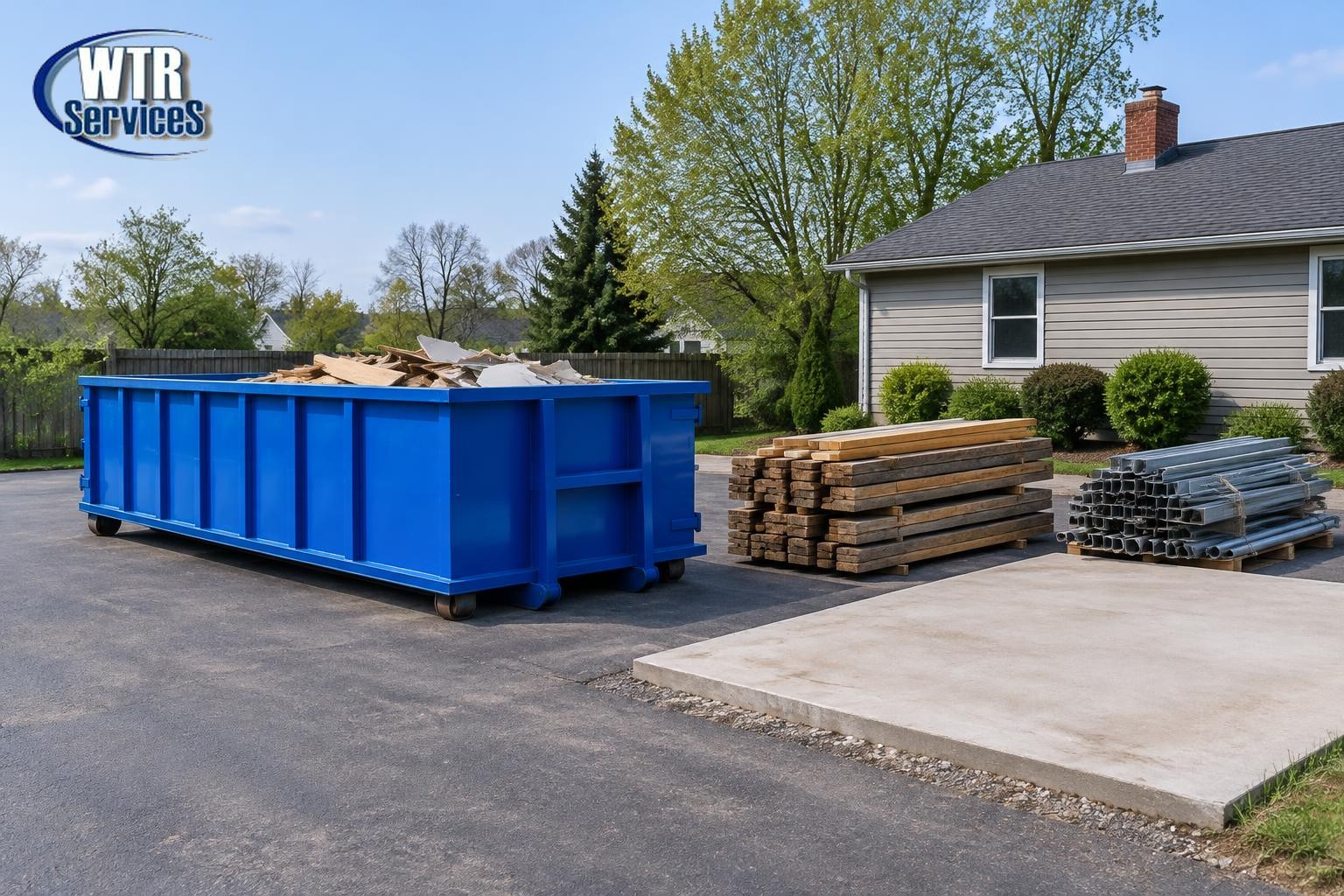
Illustrative blue roll-off dumpster near a cleared structure pad with separate stacks of salvaged lumber and metal, with the actual WTR Services logo in the upper-left

Demolition may remove the walls, flooring, fixtures, or other parts of a structure, but the work is not complete until the resulting debris has been collected and removed. Broken drywall, lumber, flooring, metal, roofing materials, and other demolition waste can quickly accumulate, making the site difficult to access and prepare for the next stage of a project. Demolition dumpster rental can be an important part of this cleanup process. A suitable waste container gives contractors, property owners, and renovation teams a designated place to collect eligible debris instead of allowing waste piles to spread across the work area. With the right cleanup plan, materials can be sorted, loaded, and removed more efficiently. However, demolition debris is not all the same. Lightweight materials may occupy considerable space, while concrete, masonry, and other dense materials can reach weight limits quickly. Hazardous materials may also require specialist handling rather than placement in a standard dumpster. This guide explains how to organize demolition cleanup after a structure or part of a building has been torn out, prepare debris for removal, avoid common disposal problems, and evaluate dumpster rental options for your project. WTR Services is an option to consider when comparing waste removal solutions for construction and demolition cleanup. Before arranging a rental, confirm container availability, accepted materials, weight limits, and the provider's current terms. This guide focuses on debris sorting, staging, safe access, and removal after tear-out. For choosing a container before the work starts, see the existing demolition dumpster selection guide. This is not a guide to performing demolition or a promise that WTR Services provides demolition work.

What Is Demolition Cleanup?

Demolition cleanup is the process of collecting, sorting, handling, and removing the waste left after a structure or part of a structure has been dismantled or demolished. The work may follow a full building demolition, a partial interior demolition, a commercial renovation, or the removal of specific structural and nonstructural components. The cleanup requirements depend on what was removed and what needs to happen next at the site. For example, tearing out a kitchen can leave cabinets, countertops, drywall, flooring, and plumbing fixtures. Removing an interior wall may generate lumber, gypsum board, insulation, fasteners, and other mixed materials. A larger demolition project could produce concrete, masonry, roofing debris, and substantial quantities of wood. Demolition cleanup generally involves several tasks:
  • Collecting debris from the demolition area.
  • Separating materials that require different disposal methods.
  • Identifying potentially hazardous or restricted waste.
  • Moving eligible debris to a designated collection point.
  • Loading the waste without exceeding container limits.
  • Arranging transportation and disposal.
  • Clearing the work area for inspection, rebuilding, or the next phase of construction.
A demolition dumpster rental can support this process by providing a central location for approved waste. The dumpster is only one part of the overall cleanup plan, however. Safe debris handling, material sorting, access management, and compliance with applicable disposal requirements remain essential.

Why Is a Dumpster Useful After Demolition?

Demolition can produce a mixture of bulky, sharp, heavy, and dusty materials. Without a clear collection plan, debris can obstruct walkways, limit access to equipment, and make it harder for workers to prepare the site for the next phase. A suitable dumpster can help keep the cleanup organized when the waste is eligible for disposal in that container. Keeps Debris in a Designated Location Collecting waste in one approved container helps prevent debris from spreading across the site. This is especially useful when several rooms, work areas, or sections of a structure are being cleared. A designated collection point also makes it easier to distinguish waste that is ready for removal from materials that still need sorting or specialist handling. Supports a More Organized Workflow Demolition cleanup often happens alongside other project tasks, such as inspecting exposed surfaces, measuring the work area, preparing for repairs, or delivering new building materials. A planned debris collection process helps reduce unnecessary movement around the site. Workers can follow a defined route for moving eligible waste instead of creating several temporary piles. Helps Manage Large Volumes of Debris Small bags and ordinary household bins are rarely suitable for substantial demolition projects. Broken drywall, old cabinets, lumber, and other bulky items can fill them quickly. A roll-off container may provide a more practical collection option for larger quantities, subject to the material, container size, weight allowance, and rental terms. Makes Cleanup Planning More Predictable Planning a container around the estimated debris volume gives the project team a clearer idea of how waste will be collected and when removal needs to be arranged. It does not eliminate every potential delay, but it can help reduce last-minute decisions about where to put debris or how to handle an unexpectedly large waste pile. Helps Prepare the Site for the Next Stage After demolition, the work area may need to be cleared before framing, installation, rebuilding, inspection, or other activities can proceed. Removing eligible debris helps create a more accessible work area. Before declaring the site ready for the next stage, the responsible project team should also inspect for remaining hazards, protruding fasteners, unstable materials, and any other conditions requiring attention.

Common Types of Demolition Debris

The waste generated during demolition depends on the age, design, materials, and scope of the structure. Understanding the main debris categories helps determine how materials should be sorted and which disposal options to investigate.
Debris typeExamplesCleanup consideration
Wood and lumberStuds, trim, framing offcuts, wooden panelsRemove protruding nails where safe and permitted; check whether treated or painted wood has special requirements.
Drywall and gypsum boardBroken wallboard and ceiling panelsKeep debris contained to limit dust and confirm disposal requirements.
Flooring materialsCarpet, laminate, vinyl, tile, and underlaymentIdentify older or suspect materials before disturbing them further.
Cabinets and fixturesCupboards, countertops, sinks, and interior fittingsSeparate reusable items and check acceptance for mixed materials.
MetalPipes, brackets, metal framing, and fittingsConsider approved recycling options where practical.
Concrete and masonryConcrete chunks, bricks, blocks, and mortarThese materials are heavy and may require a dedicated container or separate disposal arrangement.
Roofing debrisShingles, underlayment, and roofing componentsConfirm the accepted material types and applicable weight limits.
InsulationFiberglass or other insulation materialsIdentify the material and follow appropriate handling precautions.
Glass and windowsWindow panes, glass panels, and broken glazingHandle carefully and confirm how the provider requires these materials to be contained.
Mixed construction debrisA combination of eligible demolition materialsVerify that mixed loads are accepted before loading.
This table is a general guide to demolition cleanup, not a guarantee that every material can go into one dumpster. Why Material Type Matters Two projects with similar debris volumes can have very different disposal requirements. A room containing mostly wood and drywall may create a bulky but comparatively light load. A small concrete removal project can produce a much heavier load in less space. This difference affects container selection, loading plans, and the disposal arrangements required. Before booking, describe the main materials to be removed. If the project includes concrete, bricks, soil, roofing shingles, treated wood, or unusual waste, mention these specifically instead of describing the load only as demolition debris. For dense masonry, review the concrete disposal guide. For a broader construction project, compare construction dumpster sizes and rules. Acceptance still needs confirmation for the specific load.

How to Sort Demolition Waste Before Loading

Sorting demolition waste before it enters the container can make the cleanup process more manageable. It also helps identify materials that may be recyclable, reusable, prohibited, or subject to separate disposal requirements. Separate Materials by Category Where practical, create designated areas for:
  • Clean wood and lumber.
  • Drywall and other wall materials.
  • Metal and potentially recyclable components.
  • Concrete, masonry, and other dense debris.
  • General mixed construction waste.
  • Materials requiring further identification or special disposal.
The appropriate categories depend on the project and the facilities available. You do not need to create a separate pile for every small item, but you should identify materials that cannot safely or legally be handled with the general load. Identify Reusable Materials Early Not every item removed during demolition has to become waste. Undamaged fixtures, cabinets, doors, hardware, or suitable lumber may be reusable or suitable for donation, depending on their condition and any project requirements. Set aside items intended for reuse before loading the dumpster. Keep them away from demolition debris to reduce the risk of accidental disposal or damage. Check Whether Recycling Is Practical Some metals, clean concrete, masonry, and other construction materials may be suitable for recycling through an appropriate facility. Acceptance depends on the material's condition, contamination, quantity, and local options. Ask about recycling before mixing potentially recoverable materials into a general debris load. Separating materials at the source is often easier than trying to recover them after everything has been mixed. Do Not Mix Unknown Materials Into the Load Older buildings may contain materials that need assessment before they are disturbed or discarded. Examples can include asbestos-containing materials, lead-containing paint or dust, and other hazardous substances. If a material is suspected to be hazardous, stop and obtain the appropriate assessment and handling guidance. Do not assume that a standard construction dumpster is an acceptable disposal route. See scrap metal pickup preparation for sorting recoverable metal. Recycling destinations and collection scope must be confirmed for your material.

How to Estimate Debris Volume and Weight

Choosing a dumpster for demolition cleanup requires more than estimating how much space the waste occupies. The type and weight of the material can be just as important. Estimate the Scope of the Demolition Start by identifying exactly what was removed. A bathroom renovation, interior wall removal, detached garage demolition, and full structure teardown can produce very different waste quantities. Consider:
  • The number and size of rooms or areas demolished.
  • Whether cabinets, fixtures, flooring, or built-in structures were removed.
  • The amount of drywall, lumber, and other bulky material.
  • Whether the work generated concrete, bricks, tile, or other heavy debris.
  • Whether insulation, roofing, or mixed materials are included.
  • Whether the waste is already collected or still spread across the site.
Use these details to discuss capacity with the rental provider. Understand Common Dumpster Size Examples Roll-off dumpsters are often described by their capacity in cubic yards. Common industry examples include 10-, 15-, 20-, 30-, and 40-yard containers, but the sizes available for a specific project depend on the provider.
Illustrative container sizePossible applicationWhat to evaluate
10-yardSmall interior demolition or a limited amount of bulky debrisConfirm that the material volume and weight are within limits.
15-yardModerate cleanup from a room or partial renovationConsider whether the waste includes heavy materials.
20-yardLarger renovation cleanup or multiple interior areasCheck the mix of bulky and dense debris.
30-yardExtensive demolition cleanup with substantial eligible debrisConfirm placement space, loading requirements, and weight allowance.
40-yardVery large projects with high debris volumeEnsure the container is appropriate for the material and the site.
These examples are not a recommendation to select a size without an assessment, nor do they confirm WTR Services' current inventory. Ask the provider which options are available and suitable for your project. Account for Heavy Materials Separately Concrete, brick, stone, tile, soil, and similar materials can weigh considerably more than wood or drywall. If a project contains large quantities of dense debris, a standard mixed-waste container may not be the most appropriate option. Ask whether the material needs a separate container, whether there is a lower weight allowance, and how the provider handles heavy loads. Avoid Choosing Based on Volume Alone A dumpster that looks only partly full may still be too heavy. Conversely, bulky but lightweight debris can fill a container before reaching its weight limit. The goal is to select a container that accommodates both the expected volume and the material's weight while complying with the provider's loading rules. Compare the dumpster sizing guide, five-size comparison, and weight-limit guide. Container volume does not establish a permitted load weight.

How to Organize a Demolition Cleanup Project

A structured cleanup plan helps keep waste handling aligned with the rest of the project. Step 1: Inspect the Demolition Area Before cleanup begins, the responsible site supervisor or qualified professional should assess the area for unstable structures, sharp objects, exposed utilities, dust hazards, and other risks. Do not enter or clean areas that have not been made safe after demolition. Structural instability, suspected hazardous materials, and damaged utility lines require appropriate professional attention. Step 2: Define What Must Be Removed Identify the debris that needs to leave the site and the materials that will remain for reuse, recycling, or the next stage of work. Be specific about the waste. For example, a cleanup involving drywall, wood framing, and cabinets may require different planning from one involving concrete blocks and masonry. Step 3: Identify Restricted or Uncertain Waste Review the material list for potentially hazardous or restricted items. Check older insulation, suspect flooring, chemical containers, pressurized cylinders, batteries, and other materials that may not be suitable for general disposal. Do not disturb suspected hazardous building materials further until the appropriate professional guidance has been obtained. Step 4: Arrange the Waste Collection Solution Compare container rental, specialist disposal, and hauling options based on the volume, material types, site conditions, and labor required. If you are considering a dumpster, explain the scope of demolition and confirm the accepted materials, available capacity, weight limits, rental period, and pickup arrangements. Step 5: Establish a Safe Loading Area Identify a suitable container placement area and a safe route for moving debris. Consider equipment access, pedestrian movement, overhead obstructions, ground conditions, and the space required for delivery and collection. Follow the provider's placement instructions and obtain any necessary permissions before delivery. Step 6: Sort and Move Debris Systematically Work through the cleanup area in a planned sequence. Keep different material categories separate where necessary and move debris only from areas that have been cleared for safe access. Avoid creating piles that block emergency exits, access routes, equipment movement, or other active work areas. Step 7: Load Within the Container's Requirements Follow the provider's instructions for material placement, fill levels, weight limits, and prohibited items. Do not throw hazardous or unidentified materials into the container. If the load approaches its permitted capacity, pause and confirm the next step rather than continuing to add debris. Step 8: Inspect the Area Before Closing Out Once the main debris has been removed, check the work area for remaining waste and hazards. Protruding nails, sharp fragments, unstable remnants, and hidden debris may require further attention. Confirm that the site is ready for the next stage only after the responsible project team has completed the necessary checks. Use the construction site cleanup checklist for coordinating work areas and final checks. Review delivery preparation and Ohio placement guidance before arranging a container.

Best Practices for Loading Demolition Debris

Loading demolition debris requires careful planning because materials can be sharp, heavy, dusty, and irregularly shaped. Break Down Bulky Items Only When Safe Large cabinets, wooden panels, and other bulky items may occupy less space when properly dismantled. However, only perform this work when the items are safe to handle and the activity is within the team's competence and the project's safety procedures. Do not dismantle unstable structures or cut materials that may conceal live utilities or hazardous substances. Keep Heavy Materials Within Approved Limits If the provider accepts heavy materials, follow its instructions for the amount and distribution of the load. Some projects may require separate containers for concrete or masonry. Never use the container's visible empty space as the sole indicator that more material can be added. Control Dust and Small Debris Drywall, plaster, insulation, and other fine materials can generate dust during handling. Follow the site's dust-control requirements and use suitable protective equipment. Avoid practices that create unnecessary airborne dust or spread debris into neighboring areas. Handle Sharp and Protruding Materials Carefully Broken glass, metal edges, nails, screws, and jagged wood can cause injuries. Use suitable gloves, footwear, eye protection, and handling methods appropriate to the material. Do not climb onto loose debris or reach blindly into mixed waste piles. Never Overfill the Dumpster The container must remain within the provider's fill-line and transport requirements. Debris should not extend beyond permitted boundaries or create a load that cannot be safely transported. If more waste remains than expected, contact the provider about the available options. Keep Hazardous Materials Out of General Loads Do not place suspected asbestos-containing materials, hazardous chemicals, or other restricted waste into a standard dumpster without explicit authorization and the correct disposal arrangements. A dedicated disposal process may be necessary, depending on the material and applicable regulations. Follow the roll-off loading guide and overfilling guidance, subject to stricter site-specific and material-specific requirements.

Materials That May Require Special Handling

Demolition waste sometimes includes materials that need more than ordinary debris removal. Identifying them early helps prevent unsafe handling and disposal problems. Asbestos-Containing Materials Some older buildings may contain asbestos in insulation, flooring, siding, roofing, or other components. Suspected asbestos-containing materials should not be casually broken, swept up, or placed in a standard dumpster. Stop work in the affected area and obtain assessment and handling guidance from appropriately qualified professionals. Applicable rules may specify how the material must be removed, packaged, transported, and disposed of. Lead-Containing Paint and Dust Older painted building components may contain lead. Demolition can create contaminated dust or debris if the material is disturbed improperly. Follow applicable lead-safety requirements and obtain qualified guidance where needed. Do not assume that ordinary construction debris procedures are suitable for potentially contaminated waste. Chemicals, Fuels, and Solvents Paints, solvents, fuels, adhesives, and other chemicals may require separate disposal. Keep them out of the general load unless the provider explicitly confirms that the specific items are accepted under its rules. Use the appropriate local hazardous-waste disposal process. Batteries and Pressurized Cylinders Batteries, propane cylinders, and other pressurized containers may present fire or explosion risks in waste collection and transport systems. Keep these items separate and confirm the proper disposal route. Refrigerants and Electrical Equipment Refrigerators, air-conditioning equipment, and other appliances may contain refrigerants or components requiring specialist handling. Electrical equipment may also need separate recycling or disposal. Check the requirements before arranging removal. Unknown or Contaminated Materials If a material cannot be identified confidently, do not mix it with ordinary debris. Ask the project supervisor or a qualified waste professional to determine the appropriate handling and disposal requirements. Important: The materials above are examples of items that may need special treatment. The applicable requirements depend on the material, its condition, local regulations, and the disposal facility. Confirm the correct process before work continues. Review the Ohio prohibited-items guide. Suspected asbestos or lead contamination requires qualified assessment and compliant handling; this article does not establish a specialist disposal service or acceptance by WTR.

Dumpster Rental vs. Other Demolition Debris Removal Options

A dumpster is not the only way to manage demolition waste. The right solution depends on the amount of debris, the project's schedule, the need for loading assistance, and the types of material involved.
ConsiderationDumpster rentalProfessional haulingSpecialist disposal or recycling
Typical roleCollecting eligible debris at the project siteRemoving collected debris, sometimes with loading assistanceManaging particular materials that require a dedicated route
Loading responsibilityOften handled by the customer or project team unless otherwise arrangedDepends on the agreed serviceDepends on the material and service provider
Suitable wasteMaterials accepted by the rental providerMaterials accepted by the hauling providerSpecific materials accepted by the specialist facility
TimingUseful when debris is generated over a defined rental periodUseful when collection is needed for existing debris pilesDepends on assessment, preparation, and facility requirements
Main considerationContainer capacity, weight limits, rental terms, and accepted materialsLabor, volume, access, and collection termsMaterial-specific handling, compliance, and acceptance rules
When a Dumpster Rental May Be Suitable A dumpster may be useful when the project generates a substantial amount of eligible debris over time and the team can load the container safely. For example, a renovation contractor may want to collect approved drywall, lumber, cabinets, and other materials as each work area is cleared. A suitable container can provide a central collection point during the cleanup phase. When Professional Hauling May Be Worth Comparing Hauling may be preferable if debris has already been gathered into piles and the project team does not want to load a container. It may also suit projects where loading assistance is a priority. Confirm whether the service includes labor, transportation, disposal, and the specific materials involved. When Specialist Disposal Is Necessary Some waste should not be treated as ordinary construction debris. Hazardous materials, certain electrical equipment, and specific building components may require specialist assessment or disposal. A general dumpster rental or hauling service should not be assumed to accept these items. Compare the Full Service Scope When comparing options, ask what the quote includes, which materials are accepted, how much waste can be handled, and whether additional fees may apply. A low initial price may not represent the most suitable choice if the service excludes required loading labor, has a limited weight allowance, or cannot accept the materials generated by the demolition. Compare heavy debris dumpster versus hauling and hauling services. Loading labor, specialist handling, and demolition work are not automatically included in a container rental; confirm each requested service separately.

Factors That Affect Demolition Cleanup Costs

The cost of removing demolition debris depends on the project and the terms of the chosen waste removal service. Obtain a quote based on the actual materials and estimated quantities. Container Size and Capacity The container size affects the amount of waste it can hold and may influence the rental price. Choose a size based on the expected debris volume while also considering weight limits and material restrictions. Type of Demolition Waste Mixed wood and drywall, concrete, masonry, roofing materials, and potentially hazardous waste do not necessarily follow the same disposal process. Some materials may require a dedicated container or separate service. Weight Allowance Heavy debris can increase disposal costs or require a different collection arrangement. Ask about the included weight allowance and how additional weight is handled. Rental Duration The time needed for cleanup can affect the total rental cost. Confirm when the rental period begins and ends, what extension options are available, and how collection is arranged. Delivery and Placement Delivery access, container placement, surface conditions, and any required permissions can affect project planning. Discuss these details before booking. Loading and Labor A dumpster rental may not include labor to collect or load debris. If the project needs additional workers, equipment, or a hauling crew, compare the complete cost of those arrangements. Additional Fees and Restrictions Ask about potential fees related to overweight loads, prohibited materials, rental extensions, or other conditions in the agreement. Understanding these terms before loading helps avoid unexpected costs. Confirm dates, extensions, and pickup using the rental-duration guide. No standard price or weight allowance is assumed for your demolition load.

Common Demolition Cleanup Mistakes to Avoid

Treating Every Material as General Construction Waste Demolition waste may include heavy, recyclable, restricted, or hazardous materials. Identify the main material categories before deciding how to dispose of them. Choosing a Dumpster Without Estimating the Debris A container that is too small may not accommodate the project, while an unsuitable container may not be able to handle the load's weight or material type. Describe the demolition scope and request guidance before booking. Ignoring Weight Limits Concrete, masonry, tile, and other dense materials can reach weight limits quickly. Do not assume that a partially filled container can safely accept more heavy debris. Mixing Suspected Hazardous Materials With Ordinary Waste Suspected asbestos-containing materials, lead-contaminated debris, chemicals, and other potentially hazardous waste need appropriate assessment and handling. Keep them separate and follow the relevant requirements. Failing to Plan for Access Debris piles, equipment, and poorly positioned containers can obstruct the cleanup area. Plan the delivery location and debris movement route before work starts. Overfilling the Container An overfilled dumpster may not comply with safe transport requirements. Follow the provider's fill-line instructions and arrange an appropriate alternative if the expected volume exceeds capacity. Forgetting About Reuse and Recycling Some materials may be reusable or recyclable if they are separated before loading. Identify suitable options early, but do not compromise site safety or applicable disposal requirements to recover materials. Leaving Cleanup Until the End of the Project Allowing debris to accumulate throughout demolition can make the final cleanup more difficult. Include waste collection, sorting, and removal in the project schedule from the beginning.

How WTR Services Can Fit Into Your Cleanup Plan

Selecting a waste removal provider is an important part of preparing for post-demolition cleanup. The provider needs enough information about the project to clarify container options, accepted materials, loading limits, and collection arrangements. When evaluating WTR Services, explain what has been demolished and what debris remains. Useful details include:
  • Whether the project involves interior demolition, a partial structural teardown, or a larger demolition job.
  • The approximate quantity of debris.
  • Whether the load includes wood, drywall, flooring, cabinets, metal, concrete, or masonry.
  • Whether any materials may require separate handling.
  • The available space for container placement.
  • The expected cleanup schedule.
  • Whether the project team will load the dumpster or needs to compare hauling options.
Ask WTR Services which containers are currently available, whether your specific debris is accepted, what weight and fill limits apply, and what delivery, pickup, and rental terms are offered. If your project is part of a broader construction or renovation job, compare the available options for construction dumpster rental and roll off dumpster rental as well. The most appropriate solution will depend on the materials, quantity, site conditions, and scope of service required. WTR Services can be considered as part of your provider comparison, but current inventory, material acceptance, pricing, and service availability should be confirmed directly before making arrangements. Planning the cleanup after demolition? Contact WTR Services to discuss the debris remaining at your site, describe any heavy or mixed materials, and confirm which waste removal option may fit your project. WTR Services is a family-owned company based in Warren, serving Northeast Ohio and Western Pennsylvania since 2006. See construction dumpster rental or Warren dumpster rentals. Call (330) 399-3817 or get a free quote with your material inventory, quantities, site access, and cleanup dates. You can also visit WTR Services for company information.

Conclusion

The cleanup phase after demolition is an important part of preparing a site for renovation, reconstruction, or its next intended use. Broken drywall, lumber, fixtures, flooring, masonry, and other demolition waste must be identified, collected, and removed using a method appropriate to the material and project. A well-planned demolition dumpster rental can help organize eligible debris and provide a central collection point. To make the process more effective, estimate both volume and weight, sort materials before loading, identify restricted waste early, and follow all container and site-safety requirements. Before choosing a provider, compare the available container sizes, accepted materials, weight limits, rental terms, and any additional services you may need. For your project, consider discussing the scope of demolition cleanup with WTR Services and confirming which waste removal options are suitable. With a clear debris management plan, the cleanup process can be better organized and the site can be prepared more effectively for the next phase of work.

Frequently Asked Questions

Keep Reading: Related Guides