
All Articles

Dirt Hauling Services: What Homeowners and Contractors Should Know Before Hiring a Hauler

Published · Guide by WTR Services
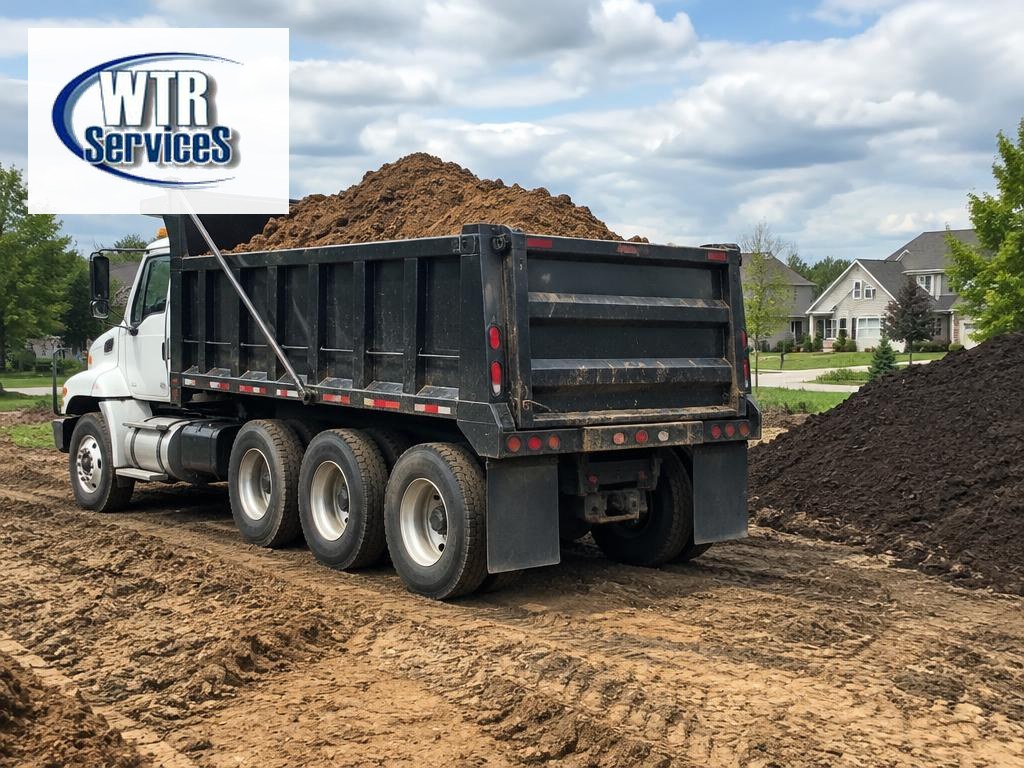
WTR Services dirt hauling guide showing a dump truck loaded with excavated soil at a residential job site

A landscaping project, excavation job, pool installation, or construction project can leave a large pile of soil behind. Once the work is finished, that dirt still needs to go somewhere. Small amounts may be reused around the property, but larger piles can quickly take up valuable space and become difficult to move. Dirt hauling services can help when there is more soil than you can reasonably handle yourself. WTR Services provides hauling and dumpster services for residential, commercial, industrial, and construction projects across Northeast Ohio. This guide explains when you may need dirt hauling, what to check before hiring a hauler, how truck capacity can affect the job, and how to prepare your property for pickup.

Key Takeaways

  • Large-scale excavation, landscaping, grading, and construction work generates more soil than a property can handle.
  • Know the type, volume, and weight of your soil before arranging transportation.
  • Site access matters — hauling trucks need sufficient space to maneuver.
  • Ask about the loading process, truck capacity, disposal sites, and scheduling before booking.
  • A dumpster can suit mixed construction waste, while large quantities of loose soil may need a dedicated hauling service.

What Are Dirt Hauling Services?

Dirt hauling is the process of collecting, transporting, and removing excess soil from a residential or commercial property. These services are especially useful after excavating, grading, landscaping, foundation work, and drainage projects that disturb a lot of soil. The material can include topsoil, fill dirt, clay, gravel, and other earthen materials. Knowing what you have helps determine how it should be loaded and transported. For a small amount, you may be able to reuse the soil elsewhere on your property. A larger pile may require professional dirt removal when there is no suitable place to keep it.

When Do Homeowners Need Dirt Hauling?

Home improvement projects can create far more soil than expected. Digging for a pool, leveling a sloped yard, installing drainage, or preparing an area for a patio can leave piles that are difficult to move with a wheelbarrow or small trailer. Professional hauling can be useful when the volume is too large to handle through multiple personal trips. A homeowner may need hauling after:
  • Pool excavation
  • Yard grading
  • Landscaping work
  • Drainage installation
  • Patio or retaining wall projects
  • Basement or foundation excavation
If you are searching for dirt hauling services near you, check whether the provider serves your area and ask about the type and quantity of soil they can transport.

When Do Contractors Need Soil Hauling?

Excavation and site preparation can produce large amounts of soil in a very short time. Foundation digs, utility trenching, commercial builds, and major grading work will need more than one truckload. It is advisable to plan for soil hauling before excavation begins so large piles do not block equipment movement and work areas. The rate of soil removal should be part of the project schedule from the start.

What Is Excavation Dirt Hauling and When Is It Needed?

Excavation can create a large amount of soil that has no use on the finished property. Excavation dirt hauling involves transporting that material away from the work area. Before digging starts, consider where the soil will go, how it will be loaded, and how many truckloads may be required. Temporary storage can also affect where equipment and workers can operate. Wet soil can be especially heavy, so the size of a pile does not always tell you how much it weighs.

What Should You Check Before Hiring a Dirt Hauler?

Get some information in hand before you arrange transportation:
  • Soil type: determine what kind of soil you have (topsoil, clay, fill dirt, gravel, etc.).
  • Quantity: estimate the amount of soil or the number of loads.
  • Accessibility: confirm a truck can reach the location.
  • Loading: find out who loads the soil and what equipment is available.
  • Destination: determine where the soil will be taken.
Having these answers ready helps the whole operation go smoothly.

How Much Dirt Can a Hauling Truck Carry?

Truck capacity depends on the truck itself, the soil type, moisture content, and legal weight restrictions. Wet soil weighs significantly more than dry soil, which means a truck can reach its maximum weight before the bed looks full. The number of trips depends on the total volume of material and the specific truck used. Ask for an estimate of required loads before the job starts.

What Affects the Cost of Dirt Hauling?

Several elements influence what a hauling job costs. The quantity of soil is one of them, but travel distance, number of trips, soil type, loading needs, site accessibility, and disposal or transfer costs all play a role. A project requiring several trips has different transportation needs than a small single-load job. Getting project-specific pricing is more useful than relying on a general estimate.

Can You Put Dirt in a Dumpster?

Dirt is very heavy, so you should never assume any dumpster can handle a large quantity of soil. Weight limits can be reached long before the container looks full. A construction dumpster rental may be suitable for mixed construction debris such as lumber, drywall, and other accepted materials. Large quantities of loose soil usually require a different hauling solution. Our guide on heavy debris disposal explains how dense materials like concrete and soil change the equation. Check the provider's rules before putting dirt, concrete, brick, or other dense materials into a dumpster — overweight loads can result in additional charges under the rental terms.

How Should You Prepare Your Property for Dirt Hauling?

An organized loading area greatly simplifies truck access. Before the hauler arrives:
  • Relocate any parked vehicles along the truck's access path.
  • Remove loose items from the loading area.
  • Look out for low-hanging branches and wires that could obstruct access.
  • Keep people clear of the active loading area.
  • Make sure the soil pile is accessible to the loading machinery.
  • Be aware of any buried utilities in the work area.
Property access is especially important for larger projects where trucks and heavy equipment need room to operate.

What Questions Should You Ask a Dirt Hauling Company?

Before booking, ask about the types of materials accepted, truck capacity, the loading process, the expected number of loads, the disposal destination, and pricing. It is always worth finding out whether the quote includes loading and disposal. Knowing this beforehand helps you budget the project accurately.

Can Dirt Hauling Be Combined With Other Construction Services?

Large construction projects often generate more than soil. Excavation produces dirt, but the construction that follows creates wood, drywall, roofing, packaging, and other debris. In those cases, hauling services can handle the soil and equipment, while a dumpster takes care of the ongoing construction waste. WTR Services provides hauling alongside residential, construction, commercial, and industrial dumpster options across Northeast Ohio.

Ready to Plan Your Dirt Hauling Project?

Knowing how much soil you have, what type of material needs to be moved, how trucks can access the property, and where the material will go makes the planning process much easier. If your project has a large amount of soil to remove, WTR Services provides hauling options for residential, commercial, industrial, and construction needs across Northeast Ohio. Request a free quote or call (330) 399-3817 to discuss the project details before scheduling.

Frequently Asked Questions

Keep Reading: Related Guides