Heavy Equipment Hauling Services: When Do You Need Specialized Equipment Transport?
Published · Guide by WTR Services
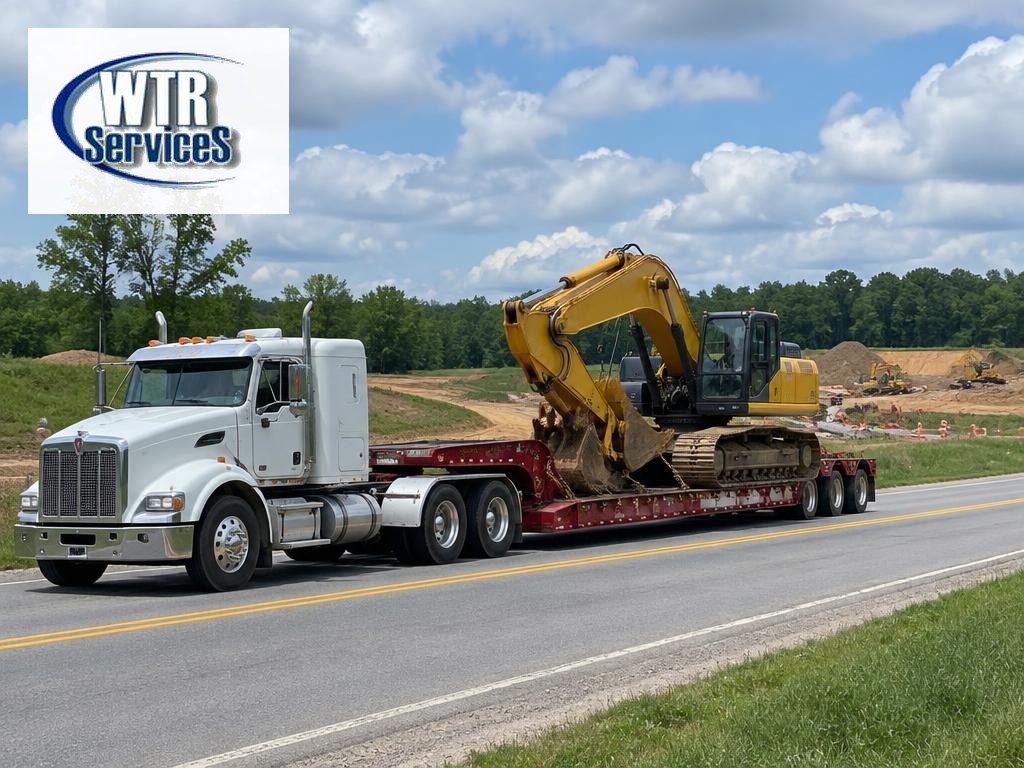
Moving a piece of heavy machinery from one job site to another can be more involved than simply putting it on a truck. The machine's weight, size, height, and loading requirements all need to be considered before transportation begins. A small piece of equipment may fit on standard transportation, while a large excavator, bulldozer, loader, or crane may require a different setup. Heavy equipment hauling services can help move machinery that needs specialized trucks, trailers, or loading methods. WTR Services provides hauling services as well as dumpster options for construction, commercial, industrial, and other projects across Northeast Ohio. This guide explains when specialized equipment transport may be needed, what to check before moving machinery, and how to prepare for a safe and organized haul.
Key Takeaways
- Large or heavy machinery may require specialized transportation based on its weight, dimensions, and loading requirements.
- Excavators, bulldozers, loaders, cranes, and other construction equipment can require different trailer setups.
- Equipment dimensions should be confirmed before requesting a transportation quote.
- Pickup and delivery locations need enough space for loading, unloading, and truck access.
- Permits and route requirements can vary when equipment exceeds standard size or weight limits.
What Are Heavy Equipment Hauling Services?
When Does Heavy Equipment Need Specialized Transport?
- The equipment is unusually heavy or oversized.
- A standard trailer cannot safely carry the machine.
- The machine requires ramps or specialized loading equipment.
- Its height or width creates route clearance concerns.
- Special permits are required for the trip.
- The equipment cannot be driven safely on public roads.
What Types of Equipment Commonly Need Specialized Hauling?
- Excavators
- Bulldozers
- Wheel loaders
- Skid steers
- Backhoes
- Cranes
- Graders
- Compactors
- Large generators
- Industrial machinery
Why Do Equipment Size and Weight Matter?
When Do You Need Construction Equipment Hauling?
- New construction that requires equipment brought in from somewhere else.
- Completed construction that requires equipment to be moved out.
- Rental equipment that must be transported back.
- Equipment that must reach repair or maintenance facilities.
- Machinery moving among job sites for the same contractor.
What Should You Prepare Before Heavy Equipment Transport?
- Size: the machine's length, width, height, and operating weight.
- Attachments: whether buckets, blades, booms, or other attachments must be detached.
- Condition: whether the machinery can move under its own power or needs loading equipment.
- Access: enough space at the pickup area for the transportation truck.
- Addresses: correct pickup and delivery addresses.
How Are Heavy Machines Loaded and Secured?
Do Heavy Equipment Hauls Require Permits?
What Should You Ask Before Hiring a Heavy Equipment Hauler?
- What type of trailer will be used?
- Can the carrier handle the equipment's weight and dimensions?
- Who handles loading and unloading?
- Are permits required for the planned route, and are permit costs included in the quote?
- What equipment information is needed before booking?
- How should the machinery be prepared?
- What access is required at pickup and delivery?
- How far ahead should the move be scheduled?
What Factors Affect Heavy Equipment Hauling Costs?
Can Equipment Hauling Be Combined With Other Construction Services?
Need Help Planning Your Equipment Haul?
Frequently Asked Questions
Keep Reading: Related Guides
- Dirt Hauling Services: What Homeowners and Contractors Should Know Before Hiring a Hauler
Excavation, landscaping, and pool projects leave big soil piles behind. Learn when you need dirt hauling, what to check before hiring a hauler, and how to prepare your property in Northeast Ohio.
- Heavy Debris Disposal: When You Need a Dumpster vs. Professional Hauling
Concrete, brick, soil, and demolition debris need the right disposal plan. Learn when a dumpster rental fits heavy debris and when professional hauling is the better choice in Northeast Ohio.
- How to Load a Roll-Off Dumpster Efficiently: Tips to Maximize Space and Avoid Problems
Learn how to arrange debris, break down bulky items, distribute weight, fill gaps, and keep your roll-off dumpster ready for safe pickup in Northeast Ohio.
- Dumpster Rental Permits in Ohio: Placement Rules and Your Pre-Delivery Checklist
Check Ohio dumpster placement requirements before delivery: driveway versus street placement, who to contact, application details, customer responsibilities, and permit timing.