
Dumpster Rental for Roofing Projects: What You Need to Know
Published · Guide by WTR Services
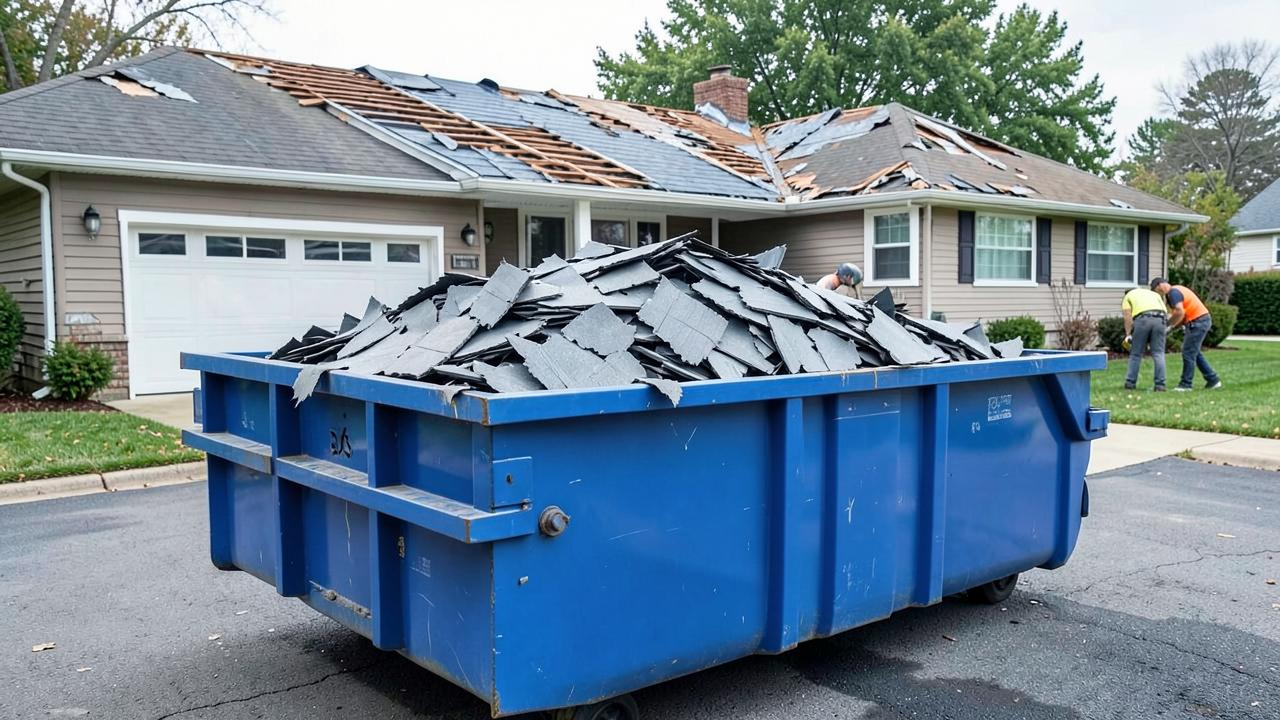
Installing a new roof goes beyond just picking out the roofing material and setting a date with the workers. It also means figuring out what to do with all the waste from tearing off the old roof. Besides shingles, roofing projects produce waste like old underlayers, flashing, and damaged wood. That is why many homeowners and contractors decide to get a roofing dumpster rental in advance.
The U.S. Environmental Protection Agency (EPA) states that construction and demolition debris includes asphalt shingles, wood, drywall, and other building materials commonly removed during roofing and renovation projects. This is one reason debris removal planning is often part of roofing project preparation.
WTR Services has been providing customers in Northeast Ohio with dumpster rental services for various types of projects, like roofing, residential construction, commercial, and industrial. If you are gearing up for a roof replacement project, knowing the dumpster rules ahead of time will make it easier for you to handle the waste that will result from the project.
Key Takeaways
- Roof replacements can create a lot of debris in a short amount of time.
- Shingles, flashing, underlayment, and wood materials usually need a special disposal method.
- The right size dumpster will depend on the size of the roof and the amount of roofing materials.
- If you plan to remove waste before roof tear-off, it will simplify project preparation.
- WTR Services provides dumpster rental solutions for roofing projects throughout Northeast Ohio.
Considering Roofing Waste Before the Project Starts
- Asphalt shingles
- Roofing felt
- Underlayment
- Flashing
- Nails and fasteners
- Damaged wood decking
Why Is It Important to Dispose of Roof Debris Properly?
- Roof size
- Roofing material type
- Number of shingle layers
- Structural repairs required
What Size Dumpster Is Usually Used for Roofing?
- Small residential roof — 10 yard
- Medium residential roof — 20 yards
- Larger residential roof — 20 to 30 yards
- Large roofing project — 30+ yards
How Many Shingles Fit in a Dumpster?
- Dumpster capacity
- Roof square footage
- Weight of roofing materials
- Number of roofing layers removed
Choosing the Right Roofing Dumpster Size
- Roof dimensions — larger roofs generate more debris
- Multiple layers — additional tear-off materials increase volume
- Roofing materials — different materials vary in weight
- Repair work — structural repairs can add debris
Planning for Shingle Disposal
What Roofing Contractors Consider Before Renting a Dumpster
- Expected debris volume
- Roof size
- Property access
- Dumpster placement location
- Project timeline
Preparing for Roof Tear-Off Waste Removal
Simplify Your Roofing Project with WTR Services Dumpster Rentals
Frequently Asked Questions
Keep Reading: Related Guides
- Scrap Metal Hauling: How Businesses Can Prepare Materials for Pickup
Scrap recycling hauling works best when materials are identified, separated, and organized before the truck arrives. Here is how businesses can prepare scrap metal for an efficient pickup.
- Industrial Waste Removal in Northeast Ohio: When a Roll-Off Dumpster or Hauling Service Makes Sense
How industrial businesses can choose between an industrial dumpster rental, a commercial roll-off container, and material hauling for facility cleanouts, renovations, and equipment replacement.
- Restaurant Dumpster Rental: Managing Food-Service Waste During Renovations and Cleanouts
How restaurant owners can plan a commercial dumpster rental for renovations, kitchen cleanouts, equipment replacement, relocations, and closures without disrupting operations.
- Dumpster Rental for Property Managers: Turnovers, Tenant Move-Outs & Maintenance Cleanup
A property management dumpster rental workflow for apartment turnovers, tenant move-out cleanup, maintenance debris, and rental property cleanouts.