
Concrete, Brick and Asphalt Disposal: Choosing the Right Waste Removal Solution
Published · Guide by WTR Services
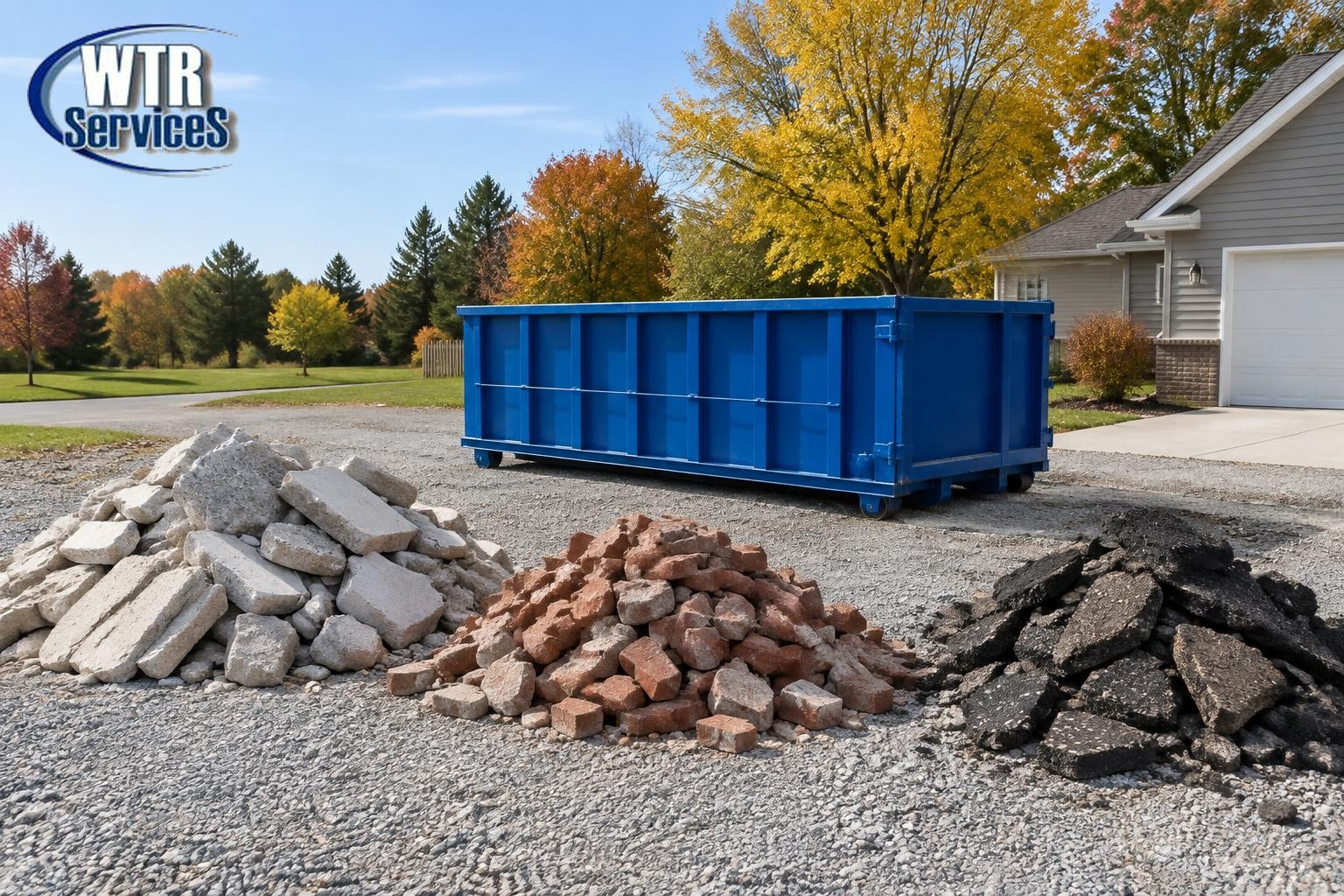
Concrete, brick, and asphalt are common materials removed during construction, demolition, driveway replacement, and property improvement projects. Although these materials may seem straightforward to dispose of, their weight creates challenges that ordinary waste removal methods may not handle efficiently. A concrete disposal dumpster can be an option for managing eligible heavy debris, but the right solution depends on the amount of material, its condition, the available container capacity, and the disposal provider's restrictions. In some situations, a dedicated container may be appropriate. In others, specialized heavy debris hauling or a recycling facility may be a better fit. Choosing the wrong disposal method can lead to overloaded containers, unexpected charges, additional handling, or delays in clearing the work area. Planning ahead helps contractors, property owners, and renovation teams understand their options before demolition or removal work begins. WTR Services is an option to consider when comparing waste removal solutions for construction and property cleanup projects. Before arranging service, confirm whether the specific materials are accepted, what weight restrictions apply, and whether dumpster rental or hauling is available for your project. This guide explains how to manage concrete, brick, and asphalt disposal, estimate heavy debris, compare waste removal methods, and select an appropriate solution for your cleanup requirements. This guide focuses on separating concrete, brick, and asphalt into suitable disposal streams and checking reinforcement, contamination, and receiving-facility requirements. For container selection specifically for concrete, see the concrete dumpster guide.
Why Concrete, Brick, and Asphalt Disposal Requires Planning
What Is a Concrete Disposal Dumpster?
- Removing a small concrete walkway.
- Replacing sections of a driveway.
- Breaking up an old patio.
- Clearing eligible concrete debris after demolition.
- Removing concrete blocks or certain masonry materials.
- Managing concrete waste from a construction or renovation project.
- Is clean concrete accepted?
- Can concrete be mixed with brick or asphalt?
- Is reinforcing steel permitted?
- Are there restrictions on soil, dirt, or other attached material?
- What fill level and weight limit apply?
- Is a separate container required for heavy debris?
- Are delivery, pickup, and disposal included in the quoted price?
Concrete Disposal: What to Know Before Removal
- Broken driveway slabs.
- Patio and walkway sections.
- Concrete blocks.
- Foundation or structural fragments.
- Concrete steps.
- Small demolition pieces.
- Concrete containing reinforcing steel.
Brick Disposal: Handling Masonry Waste
Asphalt Disposal: Managing Driveway and Pavement Debris
- Broken driveway pavement.
- Removed parking-area surfacing.
- Asphalt chunks from repairs.
- Asphalt mixed with soil or other underlying material.
- Pavement debris containing attached aggregate or other materials.
How to Estimate the Amount of Heavy Debris
- Measure or estimate the area being removed.
- Determine the approximate thickness of the material.
- Identify whether the material includes soil, reinforcing steel, mortar, or other attachments.
- Estimate the amount of broken debris that will need to be collected.
- Discuss the quantity and material type with the provider.
- Confirm the container's permitted weight and fill requirements before loading.
Dumpster Rental vs. Heavy Debris Hauling
| Consideration | Dumpster rental | Heavy debris hauling |
|---|---|---|
| Typical use | Collecting eligible debris at the project site | Transporting eligible debris away from the site |
| Loading | Often handled by the customer or project team unless otherwise arranged | May include loading, depending on the service agreement |
| Timing | Useful when debris accumulates during a planned cleanup period | Useful when debris is ready for collection |
| Material restrictions | Depends on the container and disposal arrangement | Depends on the hauling provider and receiving facility |
| Weight considerations | Container-specific weight and fill limits apply | Vehicle capacity and service-specific limits apply |
| Labor requirements | The project team may need to collect and load the debris | May reduce manual loading if labor is included |
| Cost considerations | May depend on container size, rental period, weight, and other terms | May depend on quantity, weight, labor, access, and disposal |
- The material has already been collected into a pile.
- The project requires loading assistance.
- A suitable heavy-material container is not available.
- The quantity is better handled through a specific hauling arrangement.
- The debris requires a dedicated transportation or disposal route.
When Is a Dedicated Heavy-Material Dumpster Appropriate?
How to Prepare Heavy Materials for Disposal
Common Mistakes to Avoid During Heavy Debris Removal
Factors That Can Affect Disposal Costs
How WTR Services Fits Into Your Waste Removal Plan
- The type of material being removed.
- The approximate dimensions or quantity.
- Whether the debris contains reinforcing steel, soil, mortar, or other attached materials.
- Whether the waste is already collected or still needs to be removed.
- Whether the project requires a container, loading assistance, or transportation.
- The space available for container placement and equipment access.
- The expected cleanup schedule.
Conclusion
Frequently Asked Questions
Keep Reading: Related Guides
- Dumpster Rental for Commercial Renovations: A Practical Waste Management Guide
Plan waste removal for office, retail and business renovations in Northeast Ohio: choose the right dumpster size, placement, permits, timing and supplier questions before the refit starts.
- Roof Replacement Cleanup: How Contractors Can Manage Roofing Debris Efficiently
Plan roof tear-off cleanup in Northeast Ohio: estimate shingle weight, protect the property, load safely, separate recyclables, and coordinate the container with your crew.
- Demolition Cleanup Dumpster Rental: Sort and Remove Debris After Tear-Out
Plan post-demolition cleanup in Northeast Ohio: identify hazards, sort wood and masonry, estimate debris weight, arrange safe access, and confirm removal requirements.
- Yard Cleanup Dumpster Rental: Plan Branches, Leaves, and Brush Removal
Plan a Northeast Ohio yard cleanup load: separate leaves, branches, brush, and heavy landscaping debris; confirm acceptance, container size, access, and safe loading.