
Front Load Dumpster Rental: The Complete Guide for Reliable Commercial Waste Management
Published · Guide by WTR Services
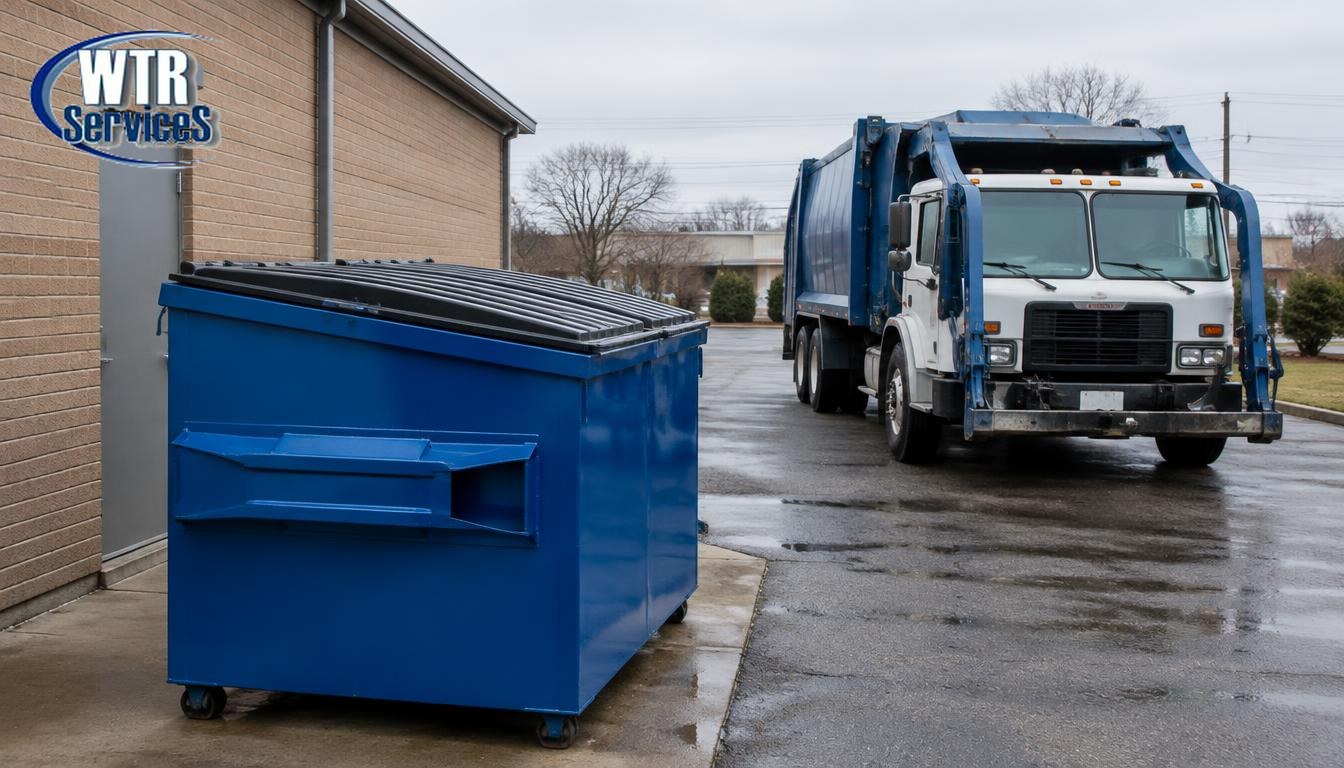
Efficient waste management is essential for maintaining a clean, safe, and professional business environment. Whether you operate a restaurant, retail store, apartment complex, office building, or industrial facility, a front load dumpster rental provides a dependable solution for handling everyday waste. Designed for scheduled waste collection, front load dumpsters are ideal for businesses that generate consistent amounts of trash and recyclables.
Unlike temporary roll-off dumpsters used for construction or renovation projects, front load commercial dumpster services are intended for ongoing waste management. This guide explains how front load dumpsters work, their common sizes, benefits, and why WTR Services is a trusted partner for commercial waste disposal. If you need a temporary container for a project instead, see our commercial dumpster rental guide.
What Is a Front Load Dumpster Rental?
Benefits of Front Load Dumpster Rental
Businesses That Benefit from Front Load Commercial Dumpster Services
Front Load Dumpster Sizes
What Can You Put in a Front Load Dumpster?
- General business waste
- Packaging materials
- Cardboard
- Paper
- Food waste (where permitted)
- Plastic containers
- Non-hazardous commercial refuse
- Office waste
- Hazardous chemicals
- Paint
- Automotive fluids
- Batteries
- Medical waste
- Asbestos-containing materials
- Electronics (depending on local regulations)
- Propane tanks
How to Choose the Right Front Load Dumpster Rental
Why Choose WTR Services?
- Multiple front load dumpster sizes
- Flexible pickup schedules
- Prompt and reliable waste collection
- Competitive, transparent pricing
- Professional customer support
- Environmentally responsible waste disposal and recycling practices
The Bottom Line
Frequently Asked Questions
Keep Reading: Related Guides
- Managing Building Debris on Large Construction Sites: A Contractor's Guide
Manage debris on large, multi-crew construction sites: set up sorted collection zones, run more than one container, time pickups to each phase and assign who checks fill levels.
- How to Calculate Container Capacity for a Building Renovation
Work out dumpster capacity for a whole-building renovation: total debris area by area, add a 10–20% allowance, compare 10 to 40-yard sizes and decide on one container or several hauls.
- How to Plan Waste Disposal for a Small Construction Project
Plan waste disposal for a small construction project: list the debris each stage creates, sort it from day one, compare dumpster, hauling and self-haul, and time delivery.
- Choosing the Right Waste Container for a Multi-Room Home Remodel
Plan dumpster rental for a multi-room remodel: see what each room throws out, split disposal into strip-out, build and finishing phases, and match container size and weight.