
All Articles

Can You Put Furniture in a Dumpster? A Guide to Furniture and Household Waste Disposal

Published · Guide by WTR Services
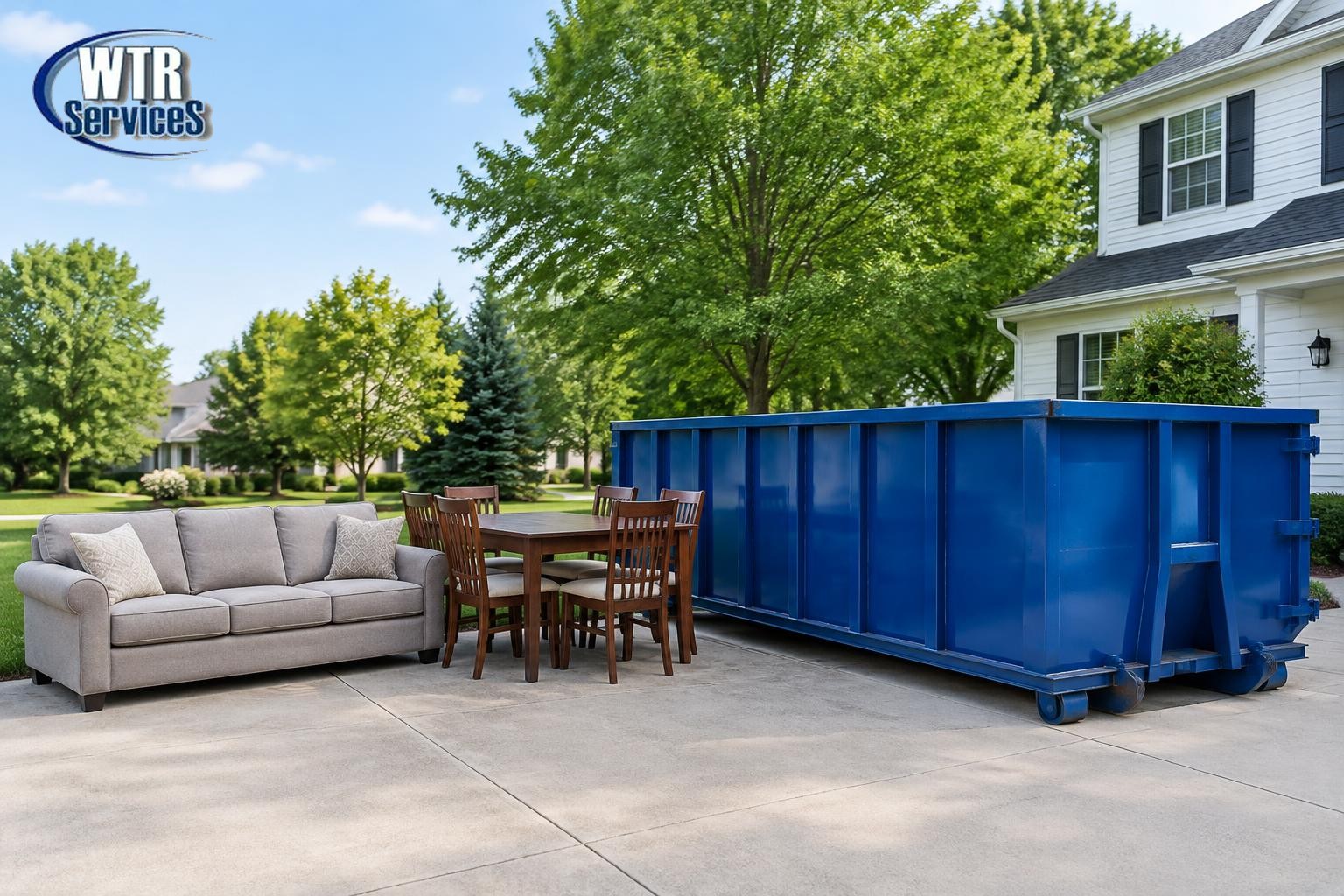
Illustrative blue roll-off dumpster beside a sofa and wooden dining furniture staged for a household cleanout, with the actual WTR Services logo in the upper-left

Getting rid of an old sofa, broken dining table, worn-out mattress, or bulky household furniture can be challenging. These items take up space, are difficult to move, and may not fit into regular household garbage collection. If you're planning a home cleanout, moving, renovation, or decluttering project, you may be wondering whether you can put furniture in a dumpster. Yes, furniture can often be placed in a dumpster, but acceptance depends on the rental provider, the type of furniture, and the applicable disposal rules. Some items may require special handling, and mattresses, upholstered furniture, appliances, and furniture containing electronic components may have additional restrictions. A furniture dumpster rental can be a practical option when you need to dispose of several bulky items at once. Instead of arranging multiple trips to a disposal facility, you can load accepted items into a rented container and arrange pickup according to the rental agreement. In this guide, WTR Services explains which furniture items may be suitable for dumpster disposal, how couch and mattress disposal works, how to prepare bulky household items, and when a residential dumpster rental may be a better fit for your project.

Can You Put Furniture in a Dumpster?

In many cases, yes. Furniture such as tables, chairs, desks, bookshelves, dressers, and sofas may be accepted in a dumpster rental. However, you should confirm the provider's material acceptance rules before loading anything. The fact that an item is made of wood, metal, fabric, or plastic does not automatically mean it can be disposed of in any rental container. Some items contain electrical components, refrigerants, batteries, or other materials that may require a separate disposal method. ### Why furniture is different from regular household waste Furniture is often bulky, awkward to carry, and difficult to fit into a container efficiently. A large sofa may occupy considerable space without weighing as much as a smaller quantity of dense construction debris. This means furniture disposal involves two important considerations:
  • Volume: How much space your furniture will occupy.
  • Acceptance: Whether the rental provider permits the items in the container.
Weight can also matter, particularly when disposing of solid wood furniture, large quantities of household junk, or items containing heavy metal components. ### When is a dumpster useful for furniture disposal? A dumpster may be a practical option when you need to remove several furniture items as part of a larger project, such as:
  • Clearing out an entire home
  • Preparing a property for sale
  • Moving to a new house
  • Removing old furniture during a renovation
  • Cleaning out a basement, attic, or garage
  • Disposing of unwanted items after a tenant moves out
  • Decluttering a rental property between occupants
If you're disposing of only one small item, another option may be more economical. However, when furniture is part of a broader cleanout, a dumpster can provide a convenient way to manage multiple accepted items in one place. For larger home projects, see residential dumpster rental. This guide focuses on furniture acceptance and preparation rather than the full home cleanout process.

What Types of Furniture Can Go in a Dumpster?

Furniture acceptance varies by rental provider. Tables, chairs, dressers, shelving, upholstered pieces, and metal or plastic furniture need to be described before loading. These are general guidelines, not a guarantee that every item is accepted by WTR Services. ### Wooden furniture Wooden furniture is commonly encountered during household cleanouts. Tables, chairs, dressers, cabinets, and shelving units may be suitable for dumpster disposal if the provider accepts them. Before loading, remove personal belongings and separate components where practical. If a piece contains a large mirror, glass panels, or electrical parts, ask whether those components need separate handling. ### Upholstered furniture Sofas, armchairs, ottomans, and upholstered dining chairs contain fabric, foam, wood, metal, and other materials. These items can take up substantial space, so plan the container size around their dimensions as well as the number of pieces you need to discard. If the furniture has a built-in electrical mechanism, battery, or another specialized component, confirm the disposal requirements before loading. ### Metal and plastic furniture Metal bed frames, patio chairs, folding tables, and plastic storage furniture may also be encountered during a cleanout. Acceptance depends on the provider's policies and the materials involved. If you have a large quantity of metal furniture, ask whether a different disposal or recycling option is available.

Can You Throw Away a Couch in a Dumpster?

A couch can often be disposed of in a dumpster when the rental provider accepts upholstered furniture. However, couches can be challenging because they are bulky, heavy to maneuver, and sometimes difficult to fit through doors or around narrow hallways. Before renting a container specifically for couch disposal, consider the couch's size, construction, and the number of other items you need to discard. ### How to prepare a couch for disposal Follow these steps to prepare your couch safely. Step 1: Check whether the couch is accepted. Confirm that the provider permits sofas and upholstered furniture. If the couch has powered reclining mechanisms, electrical components, or built-in electronics, explain this when asking about acceptance. Step 2: Remove cushions and loose items. Check the cushions and storage compartments for remote controls, money, documents, and other belongings. Step 3: Measure the couch. Measure the couch's length, depth, and height. Consider whether it will fit through doorways and whether it can be placed in the dumpster without exceeding the permitted fill level. Step 4: Disassemble only when practical. Some couches have removable legs or separable sections. Removing these components may make the item easier to carry and load, provided the work can be done safely. Do not cut into furniture that may contain powered mechanisms or components you do not understand. Step 5: Load it according to the provider's instructions. Position the couch so that it remains contained and does not create an unstable stack. Keep the load below the permitted fill line. ### Should you dismantle a couch before disposal? Not always. Removing the legs or separating modular sections may make the couch easier to handle, but extensive dismantling can take time and create sharp edges or exposed hardware. If the couch fits safely and complies with the provider's loading instructions, dismantling it may not be necessary. ### What if the couch is still usable? If the couch is clean, structurally sound, and in suitable condition, consider donating it or offering it to someone who can use it. Donation organizations may have condition requirements and may not accept every upholstered item. If reuse is not practical, a dumpster rental may be worth considering when the couch is part of a larger furniture disposal project.

Can You Put a Mattress in a Dumpster?

Mattress disposal requires particular attention because acceptance policies vary. Some dumpster providers accept mattresses, while others restrict them or require a different disposal arrangement. Before placing a mattress or box spring in a container, confirm that both are accepted under your rental agreement. ### Why mattress disposal can be complicated Mattresses contain several materials, which may include fabric, foam, springs, metal framing, and wood. They can also occupy a significant amount of container space. Some disposal facilities or local programs have specific requirements for mattresses and box springs. These requirements can vary by location and disposal method. ### How to prepare a mattress for disposal If the provider confirms that the mattress is accepted:
  • Remove bedding, pillows, and personal belongings.
  • Check the mattress and box spring for attached components or other materials that may be restricted.
  • Measure the items to estimate the space they will occupy.
  • Follow the provider's instructions for loading and positioning.
  • Keep the mattress below the permitted fill level and ensure the load remains stable.
Do not assume that a mattress is acceptable simply because it fits inside the container. ### What about bed frames and headboards? Bed frames and headboards may be treated differently from mattresses. Metal frames, wooden headboards, upholstered headboards, and adjustable bases can have different material and handling requirements. Confirm the acceptance rules for each component before loading. ### Alternatives to throwing away a mattress Depending on its condition and the programs available in your area, you may be able to:
  • Donate a mattress that meets the recipient organization's requirements.
  • Use a mattress recycling program.
  • Arrange a retailer's removal service when purchasing a replacement.
  • Contact a local waste service about mattress collection.
If none of these options is suitable, ask your dumpster rental provider whether mattress disposal is permitted.

How to Dispose of Bulky Household Items

Furniture is often only one part of a household cleanout. You may also need to dispose of storage bins, lamps, shelving, old décor, boxes, rugs, and other unwanted belongings. A successful disposal plan starts by separating items according to their condition, material, size, and acceptance requirements. ### Sort items into categories Before loading the dumpster, divide your belongings into four groups. Items to keep: Anything you still use or need. Items to donate or sell: Furniture and household goods that remain usable and meet the recipient's condition requirements. Items suitable for the dumpster: Accepted furniture and household junk that you no longer need. Items requiring special disposal: Materials or products that the provider does not accept or that require separate handling. This sorting process helps prevent reusable items from being discarded unnecessarily and reduces the chance of placing restricted materials in the container. ### Dispose of bulky furniture efficiently Large furniture items can occupy much of a dumpster's available space. To make better use of the container:
  • Measure large items before loading.
  • Remove loose contents.
  • Disassemble suitable pieces when safe and practical.
  • Place items in a stable arrangement.
  • Fill gaps with smaller accepted items where appropriate.
  • Keep everything below the permitted fill line.
Do not climb into an unstable dumpster or use unsafe methods to compress waste. ### Plan for other household junk Household junk can include many different materials, and not every item belongs in a standard dumpster. For example, some electronics, batteries, chemicals, liquids, appliances, and other products may have restrictions. Check with the provider before disposing of uncertain items. If the project involves a mix of furniture, boxes, and general household debris, explain the contents to the rental provider before booking. Use the pre-move sorting guide to decide what to keep before arranging disposal.

How to Prepare Furniture for Dumpster Disposal

Proper preparation makes furniture easier to handle and can help you use the available space more efficiently. ### Step 1: Inspect every item Check furniture for personal belongings, attached electronics, batteries, glass, and other components that may require separate handling. Look inside drawers, cabinets, desks, and storage compartments before loading. ### Step 2: Measure bulky pieces Measure large items such as sofas, wardrobes, dining tables, mattresses, and entertainment units. These measurements can help you estimate the space required and decide whether the planned container will accommodate your waste. ### Step 3: Remove loose components Remove cushions, detachable shelves, table legs, or other components where doing so is safe and practical. Keep small parts contained so they do not create scattered debris or interfere with loading. ### Step 4: Protect yourself while moving furniture Use safe lifting practices and ask for help with large or heavy items. Clear the route to the dumpster, watch for trip hazards, and avoid attempting to carry furniture that you cannot control safely. Wear appropriate work gloves and footwear when needed. Be particularly careful around broken glass, sharp metal edges, exposed fasteners, and damaged furniture. ### Step 5: Load items carefully Place furniture in a stable arrangement that follows the rental provider's loading instructions. Avoid leaving large objects balanced on smaller items or stacking furniture in a way that could shift. Ensure that no part of the load protrudes beyond the permitted fill line. ### Step 6: Check the remaining capacity Furniture can consume space quickly, even when the total weight remains relatively low. Monitor the fill level as you work. If the container approaches its limit, stop loading and discuss the available options with your provider. Review the roll-off loading guide and overfilling guide before loading. Do not move heavy pieces alone, climb into unstable debris, or use improvised compaction.

What Furniture and Household Items May Be Restricted?

A key part of furniture disposal is knowing which items require additional checks. The following items may be restricted, depending on the provider and local disposal requirements.
ItemWhy you should check first
Mattresses and box springsMay have specific acceptance or disposal requirements
Refrigerators and freezersMay contain refrigerants or other regulated components
Air conditionersMay require special handling for refrigerants
Televisions and electronicsMay require separate electronic waste disposal
BatteriesSome types require specialized handling
Paints, solvents, and chemicalsMay be prohibited or require hazardous waste disposal
Gas cylinders and pressurized containersCan present safety hazards
Large appliancesAcceptance varies by appliance and provider
Furniture with built-in electronicsMay require additional handling or component removal
This list is not exhaustive. Always verify the acceptance rules for the specific container you rent. ### What about mirrors and glass furniture? Mirrored wardrobes, glass tables, and glass-fronted cabinets can create handling risks if the glass breaks. Ask the provider whether these items are accepted and how they should be prepared. If permitted, handle and load them carefully according to the applicable instructions. ### What about damaged or infested furniture? Furniture that has been exposed to pests, mold, or other contamination may require additional precautions or may be subject to special restrictions. Explain the condition of the item to the provider before loading. Do not assume that a standard dumpster is suitable for every type of damaged furniture. ### What about furniture with electrical components? Powered recliners, adjustable beds, massage chairs, and similar products may contain motors, wiring, batteries, or electronic controls. Confirm whether the complete item is accepted or whether components must be handled separately. Do not remove electrical components unless you can do so safely and appropriately. Check the Ohio prohibited-items guide and confirm uncertain items with the team. Do not mix hazardous or unidentified material into an ordinary furniture load.

Is a Furniture Dumpster Rental Better Than Junk Removal?

A dumpster rental and a junk removal service can both help you get rid of unwanted furniture, but they work differently. With a dumpster rental, a container is placed for you to load according to the rental agreement. With a full-service junk removal arrangement, a provider generally collects and removes the items as part of the agreed service. The better option depends on the amount of furniture, your budget, your available time, and whether you can move the items yourself. ### Dumpster rental vs. junk removal
ConsiderationFurniture dumpster rentalJunk removal service
Who loads the items?Usually the customerThe service provider generally handles loading
Best suited forMultiple items or a larger cleanoutSelected items or jobs where loading assistance is needed
SchedulingDepends on delivery, rental period, and pickup arrangementsDepends on the provider's collection schedule
Space requirementsRequires suitable space for the containerMay not require a dumpster to remain on-site
Loading flexibilityItems can generally be added during the rental period within the rulesCollection typically occurs as arranged
Cost structureMay depend on container size, rental period, included tonnage, and disposal termsMay depend on item volume, labor, access, and service terms
These are general differences. Actual services, pricing, and arrangements vary by provider. ### When a dumpster rental may be the better choice A dumpster can be useful when you have several pieces of furniture and other accepted household debris to remove over a period of time. It may be particularly practical for:
  • Whole-home cleanouts
  • Moving and decluttering
  • Estate cleanouts
  • Rental property turnovers
  • Renovation projects
  • Garage, attic, or basement cleanouts
A home clean out dumpster can be a useful option when furniture disposal is only one part of a larger project. Confirm that your planned items are accepted before renting. ### When junk removal may be more convenient A collection service may be worth considering if you have only one or two large items, cannot move furniture safely, or do not have room for a dumpster. Before choosing, compare the quoted services, included labor, item acceptance, access requirements, and total cost rather than looking at the headline price alone. See junk removal dumpster rental for the container option. Do not assume carrying furniture out of the home or loading assistance is included; confirm responsibilities with the chosen provider.

How to Choose the Right Dumpster for Furniture Disposal

Selecting a suitable dumpster depends on the number of items, their dimensions, the amount of other waste, and the provider's requirements. ### Estimate the number and size of items Start by listing your furniture and measuring the largest pieces. For example, a small bedroom cleanout may involve a bed frame, mattress, dresser, and a few boxes. A full-home cleanout could include multiple sofas, wardrobes, dining furniture, shelving, and other bulky belongings. The second project is likely to need substantially more space, but the exact container size depends on the items and the additional waste involved. ### Consider furniture and other household waste together If you are also disposing of boxes, clothing, old décor, and other accepted items, estimate the combined volume rather than planning only for furniture. This is particularly important because bulky items can leave gaps, while smaller debris may fit into available spaces. ### Check the weight allowance Furniture is often more volume-sensitive than concrete or soil, but its weight still matters. Solid wood furniture, large quantities of furniture, and mixed household debris can add up. Check the included tonnage and ask about excess-weight charges before booking. ### Confirm mattress and upholstery acceptance Do not assume that mattresses, box springs, couches, and upholstered furniture are accepted under every rental agreement. Provide the rental company with a list of your intended items so it can clarify any restrictions before delivery. ### Check your available placement space A dumpster must fit in the planned location, with appropriate access for delivery and collection. Consider the available driveway or other placement area, the route for carrying furniture, and any restrictions that could interfere with the container or hauling vehicle. Ask the provider about placement and access requirements. ### Ask the right questions before booking Before arranging your rental, confirm:
  • Which furniture items are accepted?
  • Are mattresses and box springs permitted?
  • Is upholstered furniture accepted?
  • What container sizes are available?
  • What weight allowance is included?
  • How are additional weight charges calculated?
  • What is the rental period?
  • What are the pickup and loading requirements?
  • Are there any placement or access restrictions?
These questions help you choose a container that suits your project and avoid surprises during disposal. Compare the dumpster sizing guide, five-size comparison, and weight-limit guide. Check site access with the delivery preparation guide. Extra volume does not override material acceptance or loading limits.

Common Furniture Disposal Mistakes to Avoid

Furniture disposal can become more complicated when items are loaded without preparation or acceptance rules are overlooked. ### Mistake 1: Assuming every furniture item is accepted Most furniture may seem like ordinary household waste, but items with electronics, batteries, or specialized components may require additional handling. How to avoid it: Confirm acceptance for each unusual or restricted item before loading. ### Mistake 2: Forgetting to check mattress restrictions Mattresses and box springs may be subject to specific requirements. How to avoid it: Ask the rental provider about mattress disposal before booking, especially if you have several mattresses to discard. ### Mistake 3: Underestimating how much space furniture occupies A couch or wardrobe can take up a substantial amount of space, even when it does not seem particularly heavy. How to avoid it: Measure large items and estimate the total volume of all your furniture and household junk. ### Mistake 4: Loading furniture above the rim Stacking extra furniture or loose components above the permitted fill level can create pickup and safety problems. How to avoid it: Keep every item contained within the required fill line and arrange the load according to the provider's instructions. ### Mistake 5: Discarding reusable furniture unnecessarily Furniture that remains in good condition may be suitable for donation or resale. How to avoid it: Sort items before disposal and consider reuse options where practical. ### Mistake 6: Ignoring hazardous or restricted components Furniture and household cleanouts may uncover batteries, chemicals, electronics, and other items that should not automatically be placed in a dumpster. How to avoid it: Separate uncertain materials and confirm the appropriate disposal method. ### Mistake 7: Waiting until the dumpster is full to ask questions Once the container is loaded, correcting an acceptance or capacity problem can be more difficult. How to avoid it: Discuss your planned materials and expected volume with the provider before starting.

How WTR Services Can Help With Household Junk Disposal

Furniture disposal is easier to plan when you know what the rental provider accepts and how much space your project may require. WTR Services can be contacted to discuss your waste removal requirements and clarify the details you should consider before arranging a dumpster rental. When preparing for your project, be ready to explain:
  • Your project type: Moving, decluttering, renovation, property cleanout, or another household project.
  • The furniture involved: Sofas, chairs, tables, wardrobes, bed frames, or other bulky items.
  • Mattress requirements: Whether mattresses or box springs are included.
  • Other household junk: Boxes, storage items, décor, and other accepted materials.
  • Your estimated quantity: The number and approximate dimensions of the items.
  • Your placement area: The space available for container delivery and pickup.
This information helps you clarify which container options and loading requirements may be appropriate. If you need a residential dumpster rental for a cleanout or a junk removal dumpster rental for a larger disposal project, contact WTR Services to confirm available options, accepted materials, weight allowances, rental terms, and pickup requirements. For projects involving multiple furniture pieces, planning ahead can help you make better use of the available space and reduce the chance of unexpected disposal complications. WTR Services is a family-owned company based in Warren, serving Northeast Ohio and Western Pennsylvania since 2006. See Warren dumpster rentals for local service information. Call (330) 399-3817 or get a free quote with your furniture inventory. You can also visit WTR Services for company information.

Conclusion

Furniture disposal does not have to be complicated when you understand what can go into a dumpster and how to plan for bulky household items. Sofas, tables, chairs, dressers, and other furniture may be accepted by many dumpster rental providers, but mattresses, upholstered items, electronics, and specialized components require additional checks. The best approach is to identify your items, estimate the space they will occupy, and confirm material acceptance before booking. A furniture dumpster rental can be a practical choice for a home cleanout, move, renovation, or decluttering project that involves several bulky items. If you have only a few pieces or need assistance carrying them, compare dumpster rental with other disposal options. Planning a furniture cleanout? Contact WTR Services to discuss your project, confirm accepted materials, and determine which dumpster rental options may suit your household waste disposal needs.

Frequently Asked Questions

Keep Reading: Related Guides