Dumpster Rental for New Construction: A Waste Management Plan for Builders
Published · Guide by WTR Services
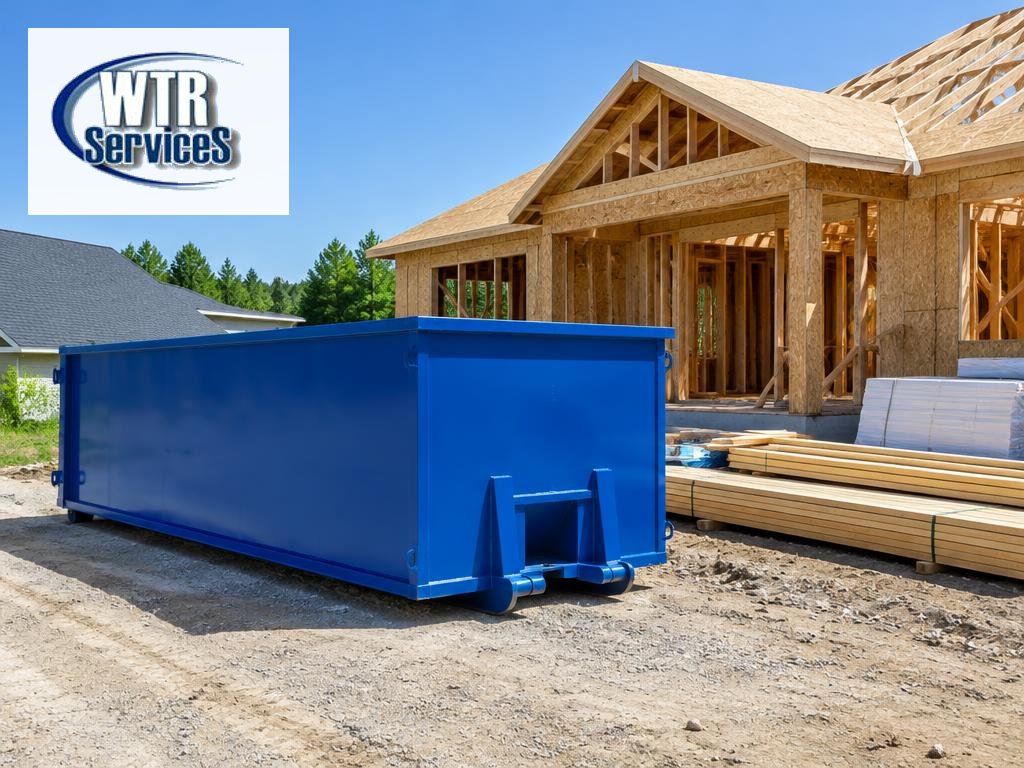
New construction projects generate waste at almost every stage of the build. From packaging and discarded materials during site preparation to lumber, drywall, flooring, roofing materials, and other construction debris, keeping a job site organized requires a clear waste management plan. A dumpster rental for construction sites gives builders and contractors a practical way to collect and remove waste as the project progresses. Instead of allowing debris to accumulate around the property or relying on repeated trips to disposal facilities, contractors can establish designated collection points and schedule waste removal around project phases. For new builds, the goal is not simply to rent a dumpster. The better approach is to plan dumpster use around the construction schedule, expected waste volumes, site layout, and changing material needs. This guide explains how builders can create a phased waste management plan using construction dumpster rental services.
Why New Construction Needs a Waste Management Plan
- Keep construction debris contained
- Reduce unnecessary disposal trips
- Maintain a more organized job site
- Coordinate waste removal with construction phases
- Create designated areas for discarded materials
- Make final cleanup more manageable
- Reduce the amount of debris left around the property
What Types of New Construction Waste Are Generated?
- Lumber and wood scraps
- Drywall and sheetrock
- Cardboard and packaging
- Plastic wrapping
- Roofing materials
- Siding materials
- Flooring scraps
- Cabinets and trim offcuts
- Insulation
- Metal scraps
- Broken pallets
- General construction debris
- Demolition or removal waste from existing structures
How Dumpster Rental Fits Into Different Construction Phases
Phase 1: Site Preparation and Foundation Work
Phase 2: Framing and Structural Construction
Phase 3: Roofing, Siding, and Exterior Work
Phase 4: Plumbing, Electrical, and Mechanical Work
Phase 5: Interior Finishing
Phase 6: Final Cleanup and Site Preparation
Choosing a Building Construction Dumpster
Planning Dumpster Placement on a New Construction Site
- Provides adequate access for delivery and pickup
- Does not block entrances or emergency access
- Is away from unnecessary traffic
- Gives workers convenient access
- Does not interfere with material deliveries or equipment movement
When to Schedule Dumpster Pickup or Replacement
- The container is approaching its fill limit
- A major construction phase is ending
- A new phase with different waste materials is beginning
- The dumpster location needs to change
- Final cleanup is approaching
Common Construction Waste Management Mistakes
Construction Site Dumpster Checklist for Builders
- Estimate expected waste volume
- Identify major waste streams
- Determine required dumpster size
- Confirm accepted and prohibited materials
- Select a safe dumpster location
- Plan delivery access
- Establish pickup or replacement requirements
- Keep debris contained
- Perform regular job-site cleanup
- Monitor dumpster fill level
- Keep reusable materials separate
- Avoid overloading the dumpster
- Track changing waste volumes
- Schedule replacement before capacity becomes an issue
- Perform a final site walkthrough
- Collect remaining construction debris
- Remove packaging and scraps
- Confirm the dumpster is ready for pickup
- Check the property for overlooked debris
Why Choose WTR Services?
Conclusion
Frequently Asked Questions
Keep Reading: Related Guides
- Dumpster Rental for Property Managers: Turnovers, Tenant Move-Outs & Maintenance Cleanup
A property management dumpster rental workflow for apartment turnovers, tenant move-out cleanup, maintenance debris, and rental property cleanouts.
- Construction Site Cleanup Checklist: Managing Debris From Start to Finish
Follow a contractor-focused construction site cleanup checklist for managing debris, waste disposal, job site safety, and dumpster use from start to finish.
- Heavy Equipment Hauling Services: When Do You Need Specialized Equipment Transport?
Moving an excavator, bulldozer, or crane takes more than a standard truck. Learn when specialized equipment transport is needed, what to prepare, and what to ask before hiring a hauler in Northeast Ohio.
- Dirt Hauling Services: What Homeowners and Contractors Should Know Before Hiring a Hauler
Excavation, landscaping, and pool projects leave big soil piles behind. Learn when you need dirt hauling, what to check before hiring a hauler, and how to prepare your property in Northeast Ohio.